
Shoulder Sports Injury Treatment: When to See a Sports Injury Doctor
Shoulder pain can quickly take the fun out of sports and exercise. A sudden fall, awkward movement, hard impact, or repeated overhead motion can leave your shoulder sore, weak, or difficult to move. For athletes and active people, knowing when to rest and when to seek professional care can make a big difference.
A sports injury doctor can evaluate the source of your shoulder pain and help determine whether you are dealing with a minor strain, tendon problem, ligament injury, or another condition. Getting the right diagnosis is an important part of choosing the right treatment.
Shoulder sports injury treatment can include activity modification, physical therapy, medication, injections, or surgery depending on the type and severity of the injury.
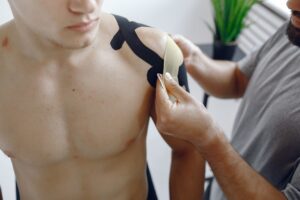
What Causes Shoulder Sports Injuries?
The shoulder is designed to provide a wide range of movement. This makes it extremely useful for activities such as swimming, tennis, baseball, basketball, volleyball, weightlifting, and other sports.
At the same time, repetitive movement and sudden force can place significant stress on the muscles, tendons, ligaments, and joints surrounding the shoulder.
Common causes include:
- Falling directly onto the shoulder
- Contact during sports
- Repetitive overhead movements
- Throwing motions
- Heavy weightlifting
- Poor exercise technique
- Sudden increases in training intensity
- Overuse without adequate recovery
Some injuries happen during one obvious event, while others develop slowly. For example, a baseball player may notice shoulder pain after weeks of repeated throwing rather than after one specific throw.
Common Shoulder Sports Injuries
Understanding the type of injury can help explain why your shoulder hurts and why certain treatments may be recommended.
1. Rotator Cuff Injuries
The rotator cuff is a group of muscles and tendons that helps stabilize and move the shoulder.
Repeated overhead activity or a sudden injury can affect these tissues. Pain may become noticeable when raising the arm, reaching behind the back, or performing overhead movements.
2. Shoulder Sprains
A shoulder sprain occurs when a ligament is stretched or torn. It may happen after a fall, collision, or sudden movement.
Mild sprains may improve with conservative care, while more significant injuries may require additional evaluation.
3.Shoulder Dislocation
A shoulder dislocation occurs when the upper arm bone moves out of its normal position within the shoulder joint.
This can happen during contact sports or after a significant fall. A suspected dislocation requires prompt medical attention.
4. Labral Injuries
The labrum is a ring of tissue that helps stabilize the shoulder joint. Repetitive throwing and other overhead activities can place stress on this tissue. Symptoms may include pain, clicking, catching, or a feeling that the shoulder is unstable.
4. Shoulder Tendon Injuries
Repetitive movements can irritate or damage shoulder tendons. Athletes who frequently perform overhead movements may be particularly susceptible to these problems.
When Should You See a Sports Injury Doctor?
Not every sore shoulder needs immediate medical attention. Temporary muscle soreness after a new workout may improve with rest. However, you should consider seeing a sports injury doctor when shoulder symptoms persist, worsen, or interfere with your normal activities.
An evaluation may be appropriate if you experience:
- Persistent shoulder pain
- Pain that repeatedly returns during sports
- Shoulder weakness
- Limited range of motion
- Swelling or bruising
- Clicking or catching
- A feeling that the shoulder is unstable
- Difficulty lifting your arm
- Pain that affects sleep
- Pain following a fall or collision
- A popping sensation when the injury occurred
A professional evaluation can help determine whether the problem is something that can be managed conservatively or requires more specialized care.
How Is a Shoulder Sports Injury Diagnosed?
A proper diagnosis starts with understanding how your injury happened.
During an evaluation, your provider may ask about:
- The sport or activity you were doing
- When the pain started
- Whether the injury happened suddenly or gradually
- Which movements make the pain worse
- Previous shoulder injuries
- Your level of activity
- Weakness or instability
Your shoulder may also be examined for tenderness, strength, range of motion, and joint stability. Depending on your symptoms, diagnostic imaging may be recommended. X-rays can help evaluate bones and certain joint problems, while other imaging tests may provide information about soft tissues such as tendons and ligaments.
The goal is to identify the underlying problem before creating a treatment plan.
Shoulder Sports Injury Treatment Options
The appropriate treatment depends on your specific injury. What works for a mild shoulder strain may not be appropriate for a significant tendon tear or dislocation.
1. Rest and Activity Modification
One of the first steps in recovery may be reducing or temporarily stopping the activity that aggravates your shoulder.
This does not necessarily mean avoiding all movement. Your provider may recommend modifying your workouts while continuing activities that do not increase your symptoms.
2. Physical Therapy
Physical therapy is often an important part of shoulder rehabilitation.
A physical therapist may use exercises designed to improve:
- Shoulder strength
- Flexibility
- Range of motion
- Joint stability
- Muscle control
- Movement patterns
For an athlete, rehabilitation can eventually include movements that closely resemble the demands of their specific sport.
3.Medication
Depending on the injury and your individual circumstances, medication may be recommended to help manage pain or inflammation.
It is important to remember that reduced pain does not automatically mean an injury has completely healed. Returning to demanding activity too soon can increase the risk of further problems.
4. Injections
For certain shoulder conditions, an injection may be considered as part of treatment. Whether this option is appropriate depends on the diagnosis, symptoms, medical history, and overall treatment goals.
5. Surgery
Some serious shoulder injuries may require surgery, particularly when there is significant structural damage or when conservative treatment has not provided enough improvement.
Surgery is not automatically necessary simply because you have shoulder pain. A qualified provider can explain whether a surgical approach is appropriate for your particular injury.
Why Physical Therapy Is Important for Athletes
Many athletes want to return to their sport as soon as possible. However, rushing the recovery process can create problems later.
Physical therapy can help rebuild strength and movement gradually.
For example, a tennis player may need more than basic pain relief before returning to full-speed serving. They may need to regain shoulder strength, mobility, endurance, and control.
Likewise, a weightlifter may need to gradually rebuild strength before returning to heavy pressing exercises. The goal is not only to reduce pain but also to help the shoulder handle the physical demands of the activity again.
How Long Does a Shoulder Injury Take to Heal?
There is no single recovery timeline for every shoulder injury. A mild strain may improve relatively quickly, while a significant tendon, ligament, or joint injury may require a longer period of rehabilitation.
Recovery can depend on:
- The type of injury
- Severity of the injury
- Treatment approach
- Previous injuries
- Overall activity level
- Rehabilitation progress
- Sport-specific demands
It is also important not to compare your recovery with another athlete’s. Two people can have shoulder pain in the same location while having completely different underlying injuries.
Returning to Sports After a Shoulder Injury
Returning to sports should generally be a gradual process rather than an immediate jump back into full activity.
Before returning to demanding activity, you may need to demonstrate improved:
- Strength
- Range of motion
- Shoulder stability
- Movement control
- Sport-specific function
For example, a baseball player recovering from a shoulder injury may gradually progress from basic rehabilitation to throwing drills before returning to competitive pitching.
The same principle applies to swimmers, tennis players, volleyball players, weightlifters, and other athletes.
How Can You Prevent Future Shoulder Injuries?
While no strategy can prevent every sports injury, a few practical habits can reduce unnecessary stress on your shoulder.
-
Warm Up Before Exercise
A proper warm-up prepares your body for more demanding movements and gives you time to gradually increase activity.
-
Use Proper Technique
Poor form can place unnecessary stress on the shoulder. Pay attention to technique during lifting, throwing, serving, and other repetitive movements.
-
Increase Training Gradually
Avoid suddenly increasing workout intensity, duration, or frequency. Your body needs time to adapt to increased demands.
-
Strengthen Supporting Muscles
A balanced strength program can help support shoulder movement and stability.
-
Give Your Body Time to Recover
Recovery is part of training. Adequate rest can help reduce excessive stress caused by repeated activity.
-
Do Not Ignore Recurring Pain
If the same shoulder pain keeps returning whenever you play a particular sport, it is worth getting evaluated rather than repeatedly playing through it.
When Is Shoulder Pain an Emergency?
Some shoulder injuries require immediate medical attention. Seek prompt medical care if you experience:
- A visibly deformed shoulder
- Severe pain following significant trauma
- An inability to move your arm
- Significant weakness or numbness
- Severe swelling
- An open wound associated with an injury
- A suspected shoulder dislocation
Do not attempt to force a dislocated shoulder back into position yourself. Professional medical evaluation is important.
Frequently Asked Questions (FAQs)
1. What does a sports injury doctor do for shoulder injuries?
A sports injury doctor evaluates the injury, looks for the underlying cause of your symptoms, and develops a treatment plan based on your condition and activity goals. Treatment may include rehabilitation, medication, activity modification, injections, or other approaches.
2. What is the best shoulder sports injury treatment?
There is no single treatment that works for every shoulder injury. Treatment depends on the type and severity of the injury and may include rest, physical therapy, medication, injections, or surgery.
3. Can I play sports with shoulder pain?
It depends on the cause and severity of the pain. Continuing an activity that repeatedly increases your symptoms may delay recovery or worsen an injury. Persistent or worsening shoulder pain should be evaluated.
4. How long does a shoulder sports injury take to heal?
Recovery varies depending on the injury, its severity, treatment, and rehabilitation progress. Some minor injuries improve relatively quickly, while more significant injuries may require weeks or months of recovery.
5. Do all shoulder sports injuries require surgery?
No. Many shoulder injuries can be managed with conservative treatments such as activity modification and physical therapy. Surgery may be considered for certain significant injuries or when other treatments are unsuccessful.
Conclusion
A shoulder injury can affect much more than your ability to play sports. It can interfere with workouts, work, sleep, and everyday movements.
The good news is that many shoulder injuries can be effectively managed when they are properly evaluated and treated. Shoulder sports injury treatment may involve activity modification, physical therapy, medication, injections, or surgery depending on the underlying condition.
If shoulder pain is preventing you from participating in the activities you enjoy, seeing a sports injury doctor can help you understand the cause of your symptoms and determine the appropriate next step toward recovery.
Visit Us
Visit our https://specialtycareclinics.com/services/injury-management/ clinic today for expert sports injury doctor care and specialized treatment for shoulder sports injuries. Our experienced orthopedic providers evaluate rotator cuff injuries, shoulder sprains, tendon damage, dislocations, fractures, and other musculoskeletal conditions using advanced diagnostic techniques and personalized treatment plans designed to restore mobility and support a safe recovery.
Contact us at (972) 865-4454 today to schedule your evaluation or walk in for prompt orthopedic care. Our dedicated team is committed to helping you recover from shoulder sports injuries safely and with the expert attention you need to return to your active lifestyle.