
Medial Ligament Injuries: Causes, Symptoms, Treatment, and Recovery
A sudden twist on the field, an awkward landing, or a hard collision can put significant stress on the ligaments that stabilize your knee. One of the most commonly affected structures is the medial collateral ligament, or MCL.
A ligament injury can range from a mild stretch to a partial or complete tear. The severity of the injury often determines how much pain, swelling, instability, and difficulty with movement you experience.
Medial ligament injuries are particularly common in sports where athletes may experience contact, sudden changes in direction, or twisting movements. However, you do not have to be an athlete to injure a ligament. Falls, accidents, and everyday movements can also cause these injuries.
Knowing the symptoms and getting an appropriate evaluation can help you understand the injury and choose the right path toward recovery.
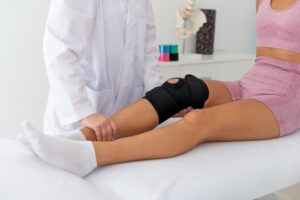
What Are Medial Ligament Injuries?
The medial collateral ligament is located on the inside of the knee. It connects the thigh bone to the shin bone and helps prevent the knee from moving too far inward.
A ligament injury occurs when this strong band of connective tissue is stretched beyond its normal limits or torn.
Medial ligament injuries are commonly classified into three grades:
| Grade | General Description | Typical Symptoms |
| Grade 1 | Mild stretching | Mild tenderness and pain |
| Grade 2 | Partial ligament tear | More pain, swelling, and some instability |
| Grade 3 | Complete tear | Significant instability and difficulty using the knee |
The exact severity should be determined through a professional evaluation rather than symptoms alone.
What Causes a Ligament Injury?
A medial ligament injury usually happens when force pushes the knee inward or when the knee twists unexpectedly.
Common causes include:
- Contact during football, soccer, or basketball
- Sudden changes in direction
- Awkward landings
- Falls
- Skiing-related injuries
- Direct impact to the outside of the knee
- Sudden twisting while the foot is planted
For example, an athlete may plant one foot while attempting to change direction. If the knee moves inward unexpectedly, the medial ligament can be placed under significant stress.
In other situations, a direct blow to the outside of the knee may create enough force to damage the ligament.
Common Symptoms of Medial Ligament Injuries
Symptoms depend on the severity of the injury.
You may experience:
- Pain along the inside of the knee
- Tenderness when touching the affected area
- Swelling
- Knee stiffness
- Difficulty walking
- Pain when changing direction
- A feeling that the knee is unstable
- Difficulty bending or straightening the knee
- A popping sensation when the injury occurs
A mild injury may cause discomfort without significant instability, while a more serious tear may make it difficult to put weight on the affected leg.
When Should You See a Doctor for a Ligament Injury?
It can be difficult to determine how serious a knee injury is based only on how it feels. You should consider getting your knee evaluated if:
- Pain is significant or worsening
- Swelling develops quickly
- You cannot comfortably put weight on the leg
- Your knee feels unstable
- You heard or felt a pop during the injury
- You cannot fully bend or straighten the knee
- Pain continues despite rest
- Your injury occurred during a collision or fall
- You are unable to return to normal activities
An evaluation can help determine whether the problem is an isolated ligament injury or whether other structures in the knee may also be involved.
How Is a Medial Ligament Injury Diagnosed?
Diagnosis usually begins with a discussion about how the injury happened.
Your provider may ask:
- What were you doing when the injury occurred?
- Did your knee twist?
- Was there direct contact?
- Did you hear or feel a pop?
- Did swelling develop immediately?
- Can you walk normally?
- Have you injured this knee before?
A physical examination may then assess tenderness, range of motion, stability, and other signs of injury. In some cases, imaging may be recommended. X-rays can help identify certain bone injuries, while MRI scans can provide more information about soft tissues such as ligaments, tendons, and cartilage.
The goal is to understand the extent of the injury before deciding on treatment.
Medial Ligament Injuries Treatment Options
Treatment depends on the grade of the injury and whether other structures are affected.
1. Rest and Activity Modification
Reducing activities that cause pain can give the injured ligament time to recover.
This does not necessarily mean staying completely inactive. Your healthcare provider may recommend safe movements while temporarily avoiding running, jumping, cutting, or other activities that place stress on the knee.
2. Ice and Elevation
Cold therapy may help temporarily reduce pain and swelling after an injury.
Keeping the leg elevated when resting may also help manage swelling.
Avoid placing ice directly against the skin, and follow appropriate guidance regarding how long to use cold therapy.
3. Bracing
A knee brace may sometimes be recommended to provide additional support while the ligament heals.
The type of brace depends on the severity of the injury and the amount of stability needed.
4. Physical Therapy
Physical therapy is an important part of rehabilitation for many ligament injuries.
A rehabilitation program may focus on:
- Restoring knee range of motion
- Building leg strength
- Improving balance
- Increasing joint stability
- Improving coordination
- Gradually returning to sport-specific movements
The exercises usually progress over time rather than returning immediately to full activity.
5. Medication
Depending on your medical history and symptoms, a healthcare professional may recommend medication to help manage pain.
Medication should be used according to professional guidance, especially if you take other medicines or have existing health conditions.
6. Surgery
Many isolated medial collateral ligament injuries can be managed without surgery, particularly when the ligament is not completely disrupted. However, surgery may be considered in certain severe injuries or when other structures around the knee are also damaged.
The appropriate treatment depends on the individual injury rather than simply the grade of the ligament tear.
How Long Does a Ligament Injury Take to Heal?
Recovery time varies significantly.
A mild ligament sprain may improve relatively quickly, while a more significant tear can require a longer rehabilitation period.
Recovery may depend on:
- Severity of the injury
- Whether other knee structures are damaged
- Overall health
- Treatment approach
- Rehabilitation progress
- Physical demands of your daily activities
- Sport-specific requirements
It is important not to return to sports simply because the pain has improved. A ligament may still need additional time to regain adequate strength and stability.
Returning to Sports After a Ligament Injury
Returning to sports should be gradual.An athlete may first focus on normal walking and basic range-of-motion exercises. As strength and stability improve, rehabilitation can progress to activities such as jogging, controlled changes of direction, jumping, and sport-specific drills.
Before returning to competition, you may need to demonstrate:
- Good knee stability
- Adequate strength
- Comfortable range of motion
- Ability to perform sport-specific movements
- Improved balance and coordination
- No significant increase in pain or swelling
For example, a soccer player should not immediately return to full-speed cutting and tackling after a knee ligament injury. Gradual progression gives the knee an opportunity to adapt to increasing demands.
Can You Prevent Medial Ligament Injuries?
Not every ligament injury can be prevented, but good preparation can reduce unnecessary risk.
1. Warm Up Before Sports
A proper warm-up can prepare your muscles and joints for activity.
2. Strengthen Your Legs
Strong quadriceps, hamstrings, glutes, and supporting muscles can help provide stability during movement.
3.Practice Proper Technique
Learning how to land, pivot, stop, and change direction safely may help reduce excessive stress on the knee.
4. Increase Training Gradually
Suddenly increasing the intensity or volume of your workouts can place additional stress on your body.
5. Pay Attention to Previous Injuries
A previous knee injury may affect how you move. Completing rehabilitation before returning to demanding activity can help address lingering strength or movement issues.
What Should You Avoid After a Ligament Injury?
Trying to “walk it off” can be tempting, particularly when you have an important game or event coming up. However, continuing activities that cause significant pain or instability may make recovery more difficult.
Avoid returning to running, jumping, cutting, or contact sports until your healthcare provider or rehabilitation professional believes your knee is ready.
It is also important not to compare your recovery with another athlete. Two people with what appears to be the same knee injury may have very different levels of tissue damage and recovery needs.
Frequently Asked Questions (FAQs)
1. What are medial ligament injuries?
Medial ligament injuries usually refer to injuries involving the ligament on the inside of the knee, most commonly the medial collateral ligament. The injury can range from a mild stretch to a complete tear.
2. How do I know if I have a ligament injury?
Pain along the inside of the knee, swelling, tenderness, difficulty walking, and a feeling of instability can occur with a ligament injury. A professional evaluation is the best way to determine the cause and severity.
3. Can a ligament injury heal without surgery?
Yes. Many medial collateral ligament injuries can be treated with conservative care such as activity modification, bracing, and physical therapy. More severe or complicated injuries may require additional treatment.
4. How long does a ligament injury take to heal?
Recovery depends on the severity of the injury and whether other structures are involved. Mild injuries may recover faster, while partial or complete tears can require a longer rehabilitation period.
5. Can I exercise with a ligament injury?
Your activity level should depend on the severity of the injury and your healthcare provider’s recommendations. Low-impact movements may be appropriate in some cases, while running, jumping, and pivoting may need to be avoided during early recovery.
Conclusion
A ligament injury can happen quickly, but recovery should not be rushed. Medial ligament injuries can range from mild sprains to more significant tears, and the appropriate treatment depends on the severity and location of the injury.
Early evaluation can help determine whether you are dealing with an isolated medial ligament problem or another knee injury. Treatment may include activity modification, bracing, physical therapy, medication, and, in selected cases, surgery.
If knee pain, swelling, or instability is affecting your ability to walk, exercise, work, or participate in sports, getting professional care can help you understand the problem and choose the safest path toward recovery.
Visit Us
Visit our https://specialtycareclinics.com/services/injury-management/ clinic today for expert orthopedic care and specialized treatment for ligament injury and medial ligament injuries. Our experienced orthopedic providers evaluate ligament sprains and tears, knee instability, sports injuries, fractures, and other musculoskeletal conditions using appropriate diagnostic techniques and personalized treatment plans designed to restore mobility and support a safe recovery.
Contact us at (972) 865-4454 today to schedule your evaluation or walk in for prompt orthopedic care. Our dedicated team is committed to helping you recover from knee ligament injuries safely and with the expert attention you need to return to your active lifestyle.