
Comprehensive Vascular Service: Restoring Healthy Circulation and Protecting Your Heart
Imagine taking an evening stroll around your neighborhood, only to have a cramped, painful tightness in your calves force you to stop every few yards. Or perhaps you have noticed persistent swelling around your ankles, cold toes that never seem to warm up, or bulging veins that throb after a long workday.
Your circulatory system is your body’s internal highway, carrying vital oxygen and nutrients to every organ and muscle. When blood vessels narrow, stiffen, or become blocked, your entire body feels the strain.
Seeking specialized vascular service care ensures these circulation problems are caught early. Whether you need non-invasive circulatory monitoring or advanced endovascular care, comprehensive cardio vascular service treatments restore optimal blood flow and protect your long-term vitality.
At Specialty Care Clinics, our experienced specialists offer personalized evaluations, modern diagnostics, and advanced therapies designed to keep your circulatory system healthy and strong.
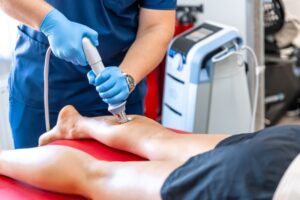
What Is Vascular Service and Why Does Circulatory Health Matter?
Your vascular network consists of thousands of miles of arteries, veins, and microscopic capillaries. Arteries carry oxygen-rich blood away from the heart, while veins transport blood back up to be re-oxygenated.
When fatty plaque builds up along arterial walls or delicate vein valves weaken, healthy circulation breaks down. A comprehensive vascular surgical and non-surgical team evaluates these vascular networks to restore proper blood flow before severe complications develop.
Arterial Plaque Accumulation / Weakened Vein Valves
│
▼
Restricted Blood Flow & Tissue Oxygen Deprivation
│
├── Early Intervention (Ultrasound Screening, Exercise, Medication) → Restored Circulation
└── Delayed Treatment (Tissue Damage, Ulcers, Severe Blockages) → Advanced Surgical Repair
Prioritizing timely vascular treatment helps prevent serious health milestones, such as non-healing skin ulcers, peripheral artery disease (PAD), or sudden blood clots.
Common Vascular Conditions and Warning Signs
Vascular issues often develop gradually over many years. Recognizing subtle physical symptoms helps you seek medical evaluation before circulation becomes severely compromised:
1. Peripheral Artery Disease (PAD)
PAD occurs when plaque narrows the arteries supplying blood to your legs and feet. The classic warning sign is intermittent claudication—a painful cramping sensation in the calf or thigh muscles that triggers during walking and resolves with rest.
2. Chronic Venous Insufficiency and Varicose Veins
When tiny one-way valves inside leg veins fail, blood pools downward instead of flowing efficiently toward the heart. This creates heavy, aching legs, visible bulging varicose veins, and ankle swelling that worsens toward the end of the day.
3. Deep Vein Thrombosis (DVT)
DVT is a dangerous blood clot forming in deep leg veins. It causes sudden, severe swelling, localized warmth, and tenderness. If a clot breaks loose, it can travel to the lungs, making immediate evaluation essential.
4. Carotid Artery Disease
Carotid arteries bring oxygenated blood up through your neck to your brain. Plaque buildup in these critical vessels reduces cerebral blood flow and raises stroke risks. Because reduced cranial circulation can trigger dizziness or balance issues, our team collaborates with neurology specialists to ensure comprehensive neurological and vascular protection.
What to Expect During a Vascular Evaluation
Modern vascular diagnostics are safe, accurate, and primarily non-invasive. Here is how our specialists evaluate your circulatory health:
Step 1: Clinical History & Pulse Exam ──► Step 2: Non-Invasive Vascular Ultrasound
│
▼
Step 4: Tailored Therapy & Follow-Up ◄── Step 3: Diagnostic Mapping & Plan
- Ankle-Brachial Index (ABI): A simple test comparing blood pressure readings in your ankle and arm to check for arterial blockages in your legs.
- Duplex Ultrasound Imaging: High-frequency sound waves create real-time visual images of blood moving through your vessels, detecting blood clots, narrowed arteries, or leaky vein valves.
- CT or MR Angiography: Advanced imaging providing detailed 3D pictures of complex blood vessels when precise intervention is required.
Comparing Treatment Pathways: Non-Invasive vs. Surgical Interventions
Vascular care is never one-size-fits-all. Many patients successfully manage their circulation using non-invasive therapies, while severe blockages respond best to minimally invasive vascular surgery procedures.
| Vascular Approach | Typical Clinical Therapies & Procedures | Ideal Patient Candidates |
| Conservative Care | Compression therapy, structured walking plans, antiplatelet medications | Early-stage PAD, mild venous insufficiency, spider veins |
| Minimally Invasive Endovascular | Balloon angioplasty, stenting, endovenous laser vein ablation | Moderate arterial blockages, painful varicose veins |
| Traditional Vascular Surgery | Surgical bypass grafting, carotid endarterectomy, vein stripping | Severe long-segment blockages, complex aneurysm care |
If chronic poor circulation causes persistent leg weakness or gait changes that strain your lower joints, consulting our orthopedics team helps maintain joint alignment while your blood flow recovers.
For patients experiencing deep leg discomfort or nerve-related tingling caused by long-term circulatory distress, our pain management department provides targeted non-invasive pain relief.
Actionable Tips for Healthy Daily Circulation
While professional medical evaluation is crucial for treating vascular disease, simple lifestyle adjustments support healthy blood flow every single day:
- Incorporate Daily Low-Impact Walking: Regular daily walks contract your calf muscles, which act as a natural pump pushing venous blood back up to your heart.
- Elevate Your Legs When Resting: Propping your legs above heart level for 15 minutes twice a day helps drain accumulated fluid and relieves vein pressure.
- Avoid Prolonged Sitting or Standing: Change positions every 30 to 45 minutes to prevent blood from pooling in your lower extremities.
- Wear Graduated Compression Stockings: Properly fitted compression socks support vein valves, reduce evening swelling, and ease leg fatigue during long days on your feet.
Frequently Asked Questions
1. What is the difference between a cardiologist and a vascular specialist?
A cardiologist focuses on heart muscle, heart valves, and coronary arteries directly surrounding the heart. A vascular specialist focuses on the vast network of blood vessels—arteries, veins, and lymphatics—throughout the rest of the body.
2. Is peripheral artery disease (PAD) reversible?
While existing plaque buildup cannot be completely erased without procedures, early-stage PAD symptoms can be dramatically improved and halted through exercise therapy, diet adjustments, and proper medication.
3. Are vein treatment procedures painful?
Modern outpatient vein procedures, such as endovenous laser ablation or sclerotherapy, are minimally invasive and performed under local anesthesia with minimal discomfort and rapid recovery times.
4. How do I know if leg pain is caused by poor circulation or a muscle strain?
Circulatory leg pain (claudication) typically starts consistently after walking a specific distance and disappears after a few minutes of rest. Muscle strains usually cause continuous pain regardless of whether you are walking or resting.
5. Can varicose veins lead to more serious medical complications?
Yes. Left untreated, severe varicose veins can lead to chronic skin changes, painful venous ulcers, inflammation (phlebitis), and an increased risk of superficial blood clots.
Take Charge of Your Circulatory Health Today
You do not have to accept leg pain, cold feet, or throbbing vein discomfort as an inevitable part of getting older. Healthy circulation is the foundation of physical vitality, mobility, and overall quality of life.
At Specialty Care Clinics, our experienced vascular team provides thorough evaluations, state-of-the-art diagnostic imaging, and compassionate, personalized care designed to keep your blood flowing smoothly.
Take the first step toward better circulation today. Schedule your consultation with Specialty Care Clinics and let our specialists help you move with comfort and confidence!