
Protecting Your Vascular Health: Understanding Aneurysm, Brain Aneurysm, Aortic Aneurysm, Stroke Symptoms, and Stroke
Imagine enjoying a quiet afternoon at home when, out of nowhere, an intense, blinding headache hits like a thunderclap—unlike anything you have ever experienced in your life. Or picture sitting across from a loved one at dinner and suddenly noticing one side of their face drooping as their speech slurs mid-sentence.
These terrifying scenarios represent cardiovascular and neurological emergencies where every second counts. Conditions like a brain aneurysm, an aortic aneurysm, or an ischemic stroke develop inside blood vessels, often silently, before causing life-threatening events. Recognizing early stroke symptoms and knowing how an aneurysm behaves gives you the power to act quickly. At Specialty Care Clinics, our dedicated specialists deliver diagnostic evaluations and comprehensive management to protect your vascular health.
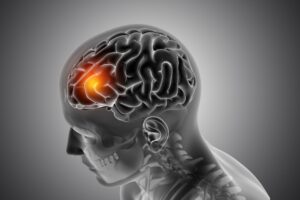
What Is an Aneurysm?
An aneurysm is a weakened, bulging area in the wall of an artery, similar to a soft bubble ballooning on a high-pressure garden hose. As blood pushes through the weakened vessel, constant pressure causes the bulge to expand.
If left untreated, an expanding bulge runs the risk of leaking or rupturing entirely. The severity of the condition depends heavily on where in the body the bulge develops:
1. Brain Aneurysm
A cerebral bulge forms within the delicate blood vessels supplying the brain. Unruptured bulges may cause no noticeable issues. However, if a brain aneurysm leaks or ruptures, it bleeds into the surrounding brain tissue (a hemorrhagic stroke), requiring immediate emergency care.
2. Aortic Aneurysm
The aorta is the primary artery carrying oxygen-rich blood from the heart to the rest of the body. An aortic aneurysm can develop in the chest (thoracic) or lower stomach area (an abdominal aortic aneurysm). Because the aorta carries high blood volume, a rupture causes severe internal bleeding that requires urgent surgical intervention.
Understanding Stroke and Ischemic Stroke
While an aneurysm involves a bulging or ruptured blood vessel wall, a stroke occurs when blood flow to a portion of the brain is suddenly cut off or severely restricted. Without steady oxygen and nutrient delivery, brain cells begin dying within minutes.
Ischemic Stroke vs. Hemorrhagic Stroke
The vast majority of events are classified as an ischemic stroke, caused by a blood clot or plaque buildup physically blocking an artery in the brain. On the other hand, a hemorrhagic stroke occurs when a weakened blood vessel—often due to a ruptured cerebral bulge—bursts open and bleeds directly into brain tissue.
Vascular Emergency Quick-Reference
| Condition | Primary Mechanism | Key Warning Signs | Critical Next Step |
| Brain Aneurysm (Ruptured) | Burst blood vessel in the brain causing hemorrhage | Sudden “thunderclap” headache, stiff neck, vision changes, loss of consciousness | Immediate emergency evaluation |
| Abdominal Aortic Aneurysm | Bulging in the main abdominal artery wall | Deep, throbbing abdominal or back pain, pulsating feeling near the navel | Urgent diagnostic ultrasound / CT scan |
| Ischemic Stroke | Blood clot blocking blood flow to brain tissue | Facial drooping, arm weakness, slurred speech (BE FAST protocol) | Emergency medical evaluation for clot-busting treatment |
Recognizing Warning Signs and Stroke Symptoms
Recognizing early warning signs allows family members and bystanders to take immediate action.
Identifying Signs of a Stroke (BE FAST)
Memorizing the BE FAST acronym helps you spot subtle neurological changes instantly:
- B – Balance: Sudden loss of balance, dizziness, or loss of coordination.
- E – Eyes: Sudden loss of vision or double vision in one or both eyes.
- F – Face: One side of the face droops or feels numb when smiling.
- A – Arm: Sudden weakness or numbness in one arm; one arm drifts downward when raised.
- S – Speech: Slurred speech, difficulty speaking, or inability to understand simple phrases.
- T – Time: Time to act immediately. Call emergency services right away if these signs appear.
Brain Aneurysm Symptoms
An unruptured bulge may press on brain nerves, causing pain above or behind one eye, a dilated pupil, or localized facial numbness. A ruptured bulge triggers an unmistakable “thunderclap” headache, extreme light sensitivity, nausea, vomiting, and a stiff neck.
Prevention and Comprehensive Clinical Support
While some vascular risks stem from family genetics, taking control of daily health habits dramatically lowers your overall risk profile:
- Manage Blood Pressure: Uncontrolled high blood pressure puts constant stress on arterial walls, increasing the likelihood of bulges and vessel tears.
- Quit Smoking: Tobacco use directly damages arterial linings, accelerates plaque buildup, and doubles the risk of developing bulging vessel walls.
- Monitor Cholesterol Levels: Excessive arterial plaque buildup increases the risk of clot formation and ischemic events.
- Schedule Routine Cardiovascular Screenings: Regular wellness checks allow doctors to spot silent vascular changes before symptoms turn critical.
If you have a family history of vascular issues or need expert guidance following an acute event, consulting with our experienced neurology care teams helps monitor brain health and nerve function.
Additionally, managing systemic cardiovascular risks through our specialized pain management services provides holistic, non-surgical support for chronic health conditions. If structural joint imbalances or mobility restrictions follow a neurological recovery, coordinating care with skilled orthopedic specialists ensures safe, structured physical rehabilitation.
When to Seek Immediate Emergency Evaluation
If you suspect someone is experiencing an active vascular rupture or acute brain oxygen deprivation, do not wait to see if symptoms improve. Call emergency services immediately if you notice:
- Sudden, severe “thunderclap” headache with no known cause
- Sudden facial drooping, arm weakness, or difficulty speaking
- Sudden confusion, difficulty understanding speech, or loss of balance
- Deep, throbbing abdominal or lower back pain that comes on abruptly
- Sudden vision loss or double vision
Frequently Asked Questions
1. What is the main difference between an aneurysm and a stroke?
An aneurysm is a structural bulge in a weakened artery wall that can leak or rupture. A stroke occurs when blood flow to brain tissue is interrupted, either by a blood clot (ischemic) or a ruptured blood vessel (hemorrhagic).
2. Can an unruptured brain aneurysm cause noticeable symptoms?
Unruptured bulges are often small and asymptomatic. However, if they grow large enough to press on surrounding brain tissue or nerves, they can cause persistent pain behind one eye, vision changes, or localized facial numbness.
3. What causes an abdominal aortic aneurysm to form?
Aortic bulges develop over time due to high blood pressure, hardening of the arteries (atherosclerosis), smoking, advanced age, or inherited connective tissue weakness that degrades the structural integrity of the arterial wall.
4. How are ischemic strokes treated when caught early?
When caught within a few hours of symptom onset, clinicians can administer clot-dissolving medications or perform minimally invasive procedures to clear the blockage, restore blood flow, and minimize permanent brain tissue damage.
5. Can severe heat exposure cause a heat stroke?
Yes. Although the term sounds similar, heat stroke is a environmental emergency where the body loses its ability to regulate temperature, causing severe overheating. This is different from a vascular ischemic or hemorrhagic event, though both require immediate emergency care.
6. Who is most at risk for developing an aortic or brain bulge?
Individuals with uncontrolled high blood pressure, a history of heavy smoking, elevated cholesterol, a family history of vascular conditions, or underlying connective tissue disorders carry a higher overall risk.
Take Charge of Your Cardiovascular and Neurological Health
Vascular health conditions like an aortic aneurysm or sudden stroke symptoms can feel unpredictable, but proactive care, early screening, and lifestyle adjustments give you the power to protect your well-being. Whether you are managing long-term risk factors, recovering from a vascular event, or seeking expert evaluation for an aneurysm, brain aneurysm, aortic aneurysm, stroke symptoms, and stroke, Specialty Care Clinics is dedicated to guiding your care journey.
Our multi-specialty care teams combine advanced diagnostic technology with personalized management plans tailored to your needs.
Don’t ignore the warning signs. Schedule a consultation with Specialty Care Clinics today to protect your vascular health and secure lasting peace of mind.