
The Ultimate Guide to Allergy Relief: Fast Treatments for Skin, Eyes, Food, and Seasonal Triggers
If you have ever woken up with eyes that feel like they are coated in sandpaper, or broken out in mysterious, itchy hives after trying a new lotion, you know how exhausting allergies can be. It feels like your own body is waging war against the outside world. When your immune system goes into overdrive, finding the right seasonal allergy treatment, skin allergy treatment, or food allergies treatments becomes your top priority.
Navigating the pharmacy aisles or decoding food labels can be completely overwhelming. That is why we have broken down exactly how to find relief, manage your symptoms, and reclaim your daily comfort.
What Causes Seasonal Allergies? (And Why They Are Getting Worse)
Every spring and autumn, millions of people start sneezing uncontrollably. But what causes seasonal allergies to flare up so predictably?
At its core, a seasonal allergy—often called hay fever or allergic rhinitis—is an overreaction by your immune system. Your body mistakenly identifies harmless airborne particles as dangerous invaders. To fight them off, it releases a chemical called histamine, which triggers inflammation in your nose, throat, and eyes.
The primary culprits change depending on the time of year:
- Spring: Tree pollen (like oak, birch, and cedar)
- Summer: Grass pollen (timothy, orchard, and Bermuda grasses)
- Autumn: Weed pollen (primarily ragweed) and outdoor mold spores
In recent years, many people have noticed their symptoms starting earlier and lasting longer. Environmental shifts and rising global temperatures have extended the growing seasons for plants, meaning there is simply more pollen in the air for longer chunks of the year.
Finding the Best Seasonal Allergy Treatment
When pollen counts skyrocket, you do not have to just lock yourself indoors. A solid seasonal allergy treatment plan typically combines lifestyle shifts with over-the-counter (OTC) or prescription medications.
1. Daily Habits to Lower Your Exposure
- Track the Counts: Check local pollen forecasts before planning outdoor activities. Keep windows closed on high-pollen days.
- The Post-Outside Reset: Pollen sticks to everything. When you come inside, kick off your shoes, throw your clothes in the laundry, and take a quick shower to wash the microscopic particles out of your hair and off your skin.
- Purify Your Space: Use a high-efficiency particulate air (HEPA) filter in your bedroom to clean the air while you sleep.
2. Medication Options
For mild to moderate symptoms, non-drowsy oral antihistamines (like cetirizine or loratadine) are excellent for stopping the sneezing and runny nose. If congestion is your main issue, corticosteroid nasal sprays are often considered the gold standard by allergists because they target inflammation directly at the source.
Soothing the Itch: Skin Allergy Treatment That Works
A skin allergy can show up as eczema, contact dermatitis (a rash from touching something like poison ivy or a harsh perfume), or hives. Watching your skin break out in red, raised, itchy patches is stressful, and scratching only makes it worse by risking a secondary bacterial infection.
An effective skin allergy treatment always starts with identifying the trigger. Did you switch laundry detergents? Are you wearing a new metal watch?
Quick Relief Checklist for Skin Flare-Ups
- Wash the area gently with cool water and mild, fragrance-free soap.
- Apply a cold compress for 10-15 minutes to numb the itch.
- Apply a thin layer of 1% hydrocortisone cream.
- Lock in moisture with a thick, ceramide-based ointment.
For widespread hives or intense itching, an oral antihistamine can help calm the systemic reaction from the inside out. If your rash doesn’t improve after a few days, or if it spreads rapidly, it is time to see a dermatologist for a prescription-strength topical steroid.
Bright Eyes: Targeted Eye Allergy Treatment
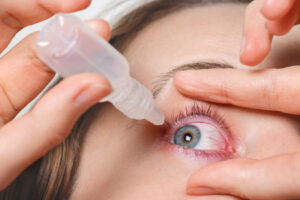
Allergic conjunctivitis—the medical term for eye allergies—frequently hitches a ride alongside seasonal allergies. However, it can also be triggered by indoor nuisances like pet dander, dust mites, and cosmetic products. Your eyes become bloodshot, watery, and incredibly itchy.
When looking for an eye allergy treatment, look past standard redness-relief drops. Regular redness drops work by constricting blood vessels, and using them for more than a few days can cause a “rebound effect,” making your eyes even redder when you stop.
Instead, look for antihistamine eye drops (such as ketotifen or olopatadine). These drops block the histamine receptors in the eye tissue directly, providing incredibly fast relief from the itching. Keeping your eye drops in the refrigerator is a great insider trick; the cool sensation provides instant, soothing comfort the moment the drops hit your eye.
Managing Food Allergies: Treatments and Safety
Unlike a pollen allergy, which is mostly a nuisance, a food allergy requires strict vigilance. The most common food allergens include milk, eggs, peanuts, tree nuts, wheat, soy, fish, and shellfish.
When it comes to food allergies treatments, there is currently no magic pill that allows you to eat a food you are allergic to. Management relies entirely on two things: strict avoidance and emergency preparedness.
Navigating Life Safely
- Become a Label Expert: Modern labeling laws make it easier to spot major allergens, but you still need to read ingredient lists every single time. Ingredients in favorite products can change without warning.
- Communicate Clearly When Dining Out: Do not be shy about telling your server about an allergy. Ask if the kitchen uses separate utensils and prep spaces to avoid cross-contact.
- Carry an Epinephrine Auto-Injector: For individuals at risk of anaphylaxis—a severe, life-threatening allergic reaction that causes airway swelling and a drop in blood pressure—carrying an epinephrine pen is non-negotiable.
Allergy Treatments at a Glance
| Allergy Type | Common Triggers | Primary Treatments |
| Seasonal | Tree, grass, and weed pollen; mold spores | Oral antihistamines, steroid nasal sprays, pollen avoidance |
| Skin | Fragrances, nickel, latex, soaps | Hydrocortisone cream, cool compresses, barrier repair creams |
| Eye | Pollen, pet dander, dust mites, makeup | Antihistamine eye drops, cold compresses, avoiding rubs |
| Food | Peanuts, shellfish, dairy, eggs, soy | Strict elimination diet, reading labels, emergency epinephrine |
Frequently Asked Questions
Can you suddenly develop allergies as an adult?
Yes, it is incredibly common. While many people associate allergies with childhood, your immune system can develop a sensitivity to environmental triggers, pets, or foods at any point in your life. Shifts in your environment, stress levels, or changes to your immune health can all play a role.
What is the fastest way to get rid of an allergic reaction on the skin?
For immediate relief from a localized skin allergy, wash the area with cool water to remove any lingering traces of the allergen, apply a cold compress to reduce swelling and itching, and use an over-the-counter hydrocortisone cream.
How do I know if I have a cold or seasonal allergies?
Look at the timeline and your symptoms. A cold usually builds up over a few days, may include a mild fever or body aches, and wraps up within a week or two. Seasonal allergies hit instantly when you are exposed to a trigger, do not cause a fever, and feature clear, watery mucus along with intensely itchy eyes and nose.
Are there permanent cures for seasonal allergies?
While over-the-counter medications treat the symptoms, allergen immunotherapy (allergy shots or sublingual drops) is the closest thing to a long-term cure. This treatment exposes your body to tiny, increasing doses of your specific allergen over several years, training your immune system to stop panicking when it encounters the trigger in the wild.
Can food allergies cause skin rashes?
Absolutely. Eating a food you are allergic to can trigger widespread hives, redness, and itching across your skin, often within minutes to a couple of hours after consumption. If skin changes are accompanied by trouble breathing or lip swelling, seek emergency medical care immediately.
Take Control of Your Allergies Today
Living with allergies does not mean you have to accept constant discomfort. By pinpointing your specific triggers, optimizing your home environment, and utilizing modern treatments, you can dramatically improve your quality of life.
Visit Us our https://specialtycareclinics.com/services/allergy/ experienced allergy management specialists provide comprehensive evaluation and advanced treatment options for allergy and other spinal conditions.
Contact us at 972-937-8900 and schedule your consultation today to receive personalized allergy management treatment and start your journey toward pain relief and recovery.