
Comprehensive Guide to Treatment of Gout Disease: Foot Care and NSAID Therapies in Texas
Waking up suddenly to an agonizing, burning pain at the base of your big toe or instep can completely halt your daily routine. Gout is one of the most painful inflammatory joint conditions known to medicine, turning simple daily movements, wearing shoes, or even the weight of a light bedsheet into an overwhelming challenge.
What is the effective treatment of gout disease? Comprehensive treatment of gout disease combines rapid acute flare management—primarily utilizing targeted gout NSAID treatment, colchicine, or intra-articular corticosteroid injections—with long-term urate-lowering medical therapies. This dual-phase approach suppresses active joint inflammation, neutralizes sharp uric acid crystals, and prevents chronic bone erosion and recurrent joint damage.
In this detailed medical guide, you will learn about the biological mechanics of hyperuricemia, key symptoms of gout in the foot, advanced clinical diagnostic methods, evidence-based acute and chronic treatment pathways, and how Specialty Care Clinics delivers expert care across our Texas locations.
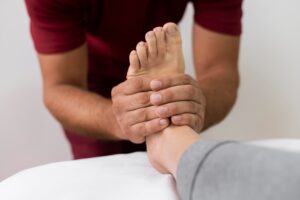
Understanding Gout Disease: Causes and Biological Mechanics
Gout is fundamentally a metabolic condition that manifests as severe, localized joint inflammation. Understanding how excess uric acid accumulates within your circulatory system clarifies why structured medical management is essential to protect joint integrity.
The Science of Hyperuricemia and Monosodium Urate Crystals
Uric acid is a natural metabolic byproduct created when your body processes purines—organic chemical compounds found naturally within human cells and abundantly in specific foods like red meat, organ meats, shellfish, beer, distilled spirits, and high-fructose corn syrup. Under normal health conditions, uric acid dissolves smoothly in blood plasma and is filtered out by the kidneys into urine.
When renal clearance slows down or internal purine breakdown surges, blood concentration exceeds normal saturation limits, causing hyperuricemia. Excess uric acid precipitates out of solution, forming razor-sharp, needle-like monosodium urate crystals. These microscopic crystals accumulate within joint capsules, synovial linings, and tendon sheaths, triggering an acute, intense immune response.
Why Treatment for Gout in Foot Is Frequently Required
- Lower Peripheral Temperatures: The peripheral joints of the lower extremities—especially the first metatarsophalangeal joint at the base of the big toe (podagra)—have slightly lower ambient temperatures than core body organs. Lower temperatures accelerate uric acid crystallization out of solution.
- Continuous Mechanical Stress: The feet bear significant weight and friction during daily standing and locomotion, creating localized micro-trauma that invites crystal deposition.
- Gravitational Fluid Dynamics: Gravity slows venous return and encourages fluid pooling in the feet and ankles, promoting localized uric acid accumulation.
Symptoms of Gout in the Foot: Spotting an Acute Attack
Recognizing the key physical indicators of an acute gout flare helps distinguish metabolic joint inflammation from structural fractures, ligament sprains, or localized skin infections.
Primary Physical Indicators
- Sudden, Explosive Pain: Severe pain that develops rapidly without warning, frequently striking during early morning hours and reaching peak intensity within 8 to 24 hours.
- Extreme Hypersensitivity: The joint becomes hyper-sensitive, where even light contact with clothing or bedding causes severe distress.
- Marked Redness and Heat: Skin over the affected joint turns deep red or purplish, feeling distinctly hot to the touch.
- Tight Swelling and Restricting Stiffness: Rapid fluid accumulation stretches the surrounding skin, leaving it shiny and limiting range of motion.
- Post-Flare Skin Peeling: As acute inflammation recedes after several days, the skin covering the joint often hitches, turns dry, and desquamates.
Red Flag Warning Signs: Seek emergency medical care immediately if acute joint swelling occurs alongside a high fever, uncontrollable chills, or an open skin wound over the joint, as these symptoms can indicate a dangerous bacterial joint infection (septic arthritis).
Clinical Diagnostic Steps: Confirming Gout and Joint Integrity
Securing a precise clinical diagnosis at Specialty Care Clinics ensures you receive targeted, prescription-strength gout treatments rather than non-specific care for general joint sprains.
Comprehensive Diagnostic Protocol
- Clinical Assessment and History: Physicians evaluate flare velocity, dietary triggers, family history, and physical joint markers.
- Arthrocentesis (Joint Fluid Analysis): The gold-standard diagnostic procedure. A specialist uses a sterile fine needle to extract a small fluid sample from the inflamed joint to confirm monosodium urate crystals under a polarized light microscope.
- Serum Uric Acid Blood Panel: Measures circulating uric acid levels. While elevated levels support a diagnosis, normal blood levels during an active flare do not rule out gout, making joint fluid or imaging analysis vital.
- Digital X-Rays and Musculoskeletal Ultrasound: High-resolution digital imaging checks for joint space narrowing, bone erosions, and subsurface crystal deposits (tophi).
Evidence-Based Treatment Options for Gout Disease
Managing gout involves two clear clinical phases: immediate acute flare suppression followed by chronic preventative care to keep hyperuricemia under control.
| Treatment Category | Primary Medical Indication | Clinical Approach & Therapeutic Goals |
| Gout NSAID Treatment | Acute flare-up within first 24–48 hours | Prescription-strength nonsteroidal anti-inflammatory drugs (indomethacin, naproxen, celecoxib) rapidly inhibit prostaglandin synthesis to stop acute joint pain and swelling. |
| Oral Colchicine | Early acute flare onset (best within 36 hours) | Blocks neutrophil migration and inflammatory activation around uric acid crystals; highly effective when taken at the very first sign of joint tingling or pain. |
| Corticosteroid Therapy | Severe flares, patients unable to take NSAIDs | Oral prednisone or targeted intra-articular steroid injections deliver rapid, powerful anti-inflammatory action directly inside the inflamed joint capsule. |
| Urate-Lowering Therapy (ULT) | Long-term prevention of recurrent flares | Xanthine oxidase inhibitors (Allopurinol, Febuxostat) gradually lower serum uric acid below 6.0 mg/dL to dissolve existing crystal deposits over time. |
Choosing the Right Setting: Urgent Care vs. ER vs. Specialist Clinic
Knowing where to seek care during an acute gout attack ensures you receive rapid relief while optimizing healthcare costs.
- Emergency Room (ER): Vital if severe joint pain occurs alongside a high fever, severe chills, open skin breakdown, or following major physical trauma.
- Urgent Care Center: Ideal for obtaining rapid gout pain relief, receiving prescription anti-inflammatories, or getting immediate triage when a flare strikes outside standard clinic hours.
- Specialty Care Clinics: Best suited for long-term gout management, comprehensive blood panels, interventional joint injections, custom orthotics, physical therapy, Workers’ Comp care, auto injury evaluation, and multi-specialty medical care across Texas.
Long-Term Prevention Strategies for Lasting Health
Pairing expert medical care with healthy daily habits provides the strongest defense against recurring gout attacks in your feet and joints.
Essential Self-Care and Lifestyle Habits
- Adopt a Low-Purine Diet: Limit high-purine foods such as red meat, organ meats, shellfish, heavy gravies, and products sweetened with high-fructose corn syrup.
- Maintain Daily Hydration: Drink at least 8 to 10 glasses of water daily to support kidney function and promote uric acid excretion.
- Moderate Alcohol Consumption: Limit consumption of beer and distilled spirits, as alcohol impairs renal uric acid clearance and can trigger acute joint flares.
- Protect Foot Biomechanics: Wear cushioned, wide-toe-box shoes and utilize supportive orthotics to reduce physical pressure on sensitive joints.
Step-by-Step Patient Decision Checklist
Follow this actionable decision checklist when managing acute or recurring gout pain:
- [ ] Apply Immediate Home First Aid: Elevate the affected foot, apply wrapped cold packs for 15-minute intervals, and remain non-weight-bearing.
- [ ] Avoid Self-Medicating with Aspirin: Do not take aspirin, as it can alter renal uric acid excretion and prolong acute joint pain.
- [ ] Schedule a Professional Consultation: Call Specialty Care Clinics at (972) 865-4454 to book a comprehensive joint evaluation and diagnostic workup.
- [ ] Review Accepted Insurance Avenues: Confirm flexible payment options including major commercial health insurance, Medicare, Personal Injury Protection (PIP), Letters of Protection (LOP), and Workers’ Comp liens.
- [ ] Commit to Preventative Management: Take prescribed urate-lowering medications consistently, even after acute joint pain subsides, to protect your joints from chronic bone erosion.
Frequently Asked Questions (FAQs)
1. What is the most effective initial treatment of gout disease during an acute flare?
The primary medical intervention for acute gout disease involves prompt anti-inflammatory therapy—most commonly prescription gout NSAID treatment (such as indomethacin or naproxen), oral colchicine (ideally administered within 36 hours of onset), or intra-articular corticosteroid injections. At Specialty Care Clinics, our physicians rapidly evaluate your symptoms to prescribe targeted therapies that halt severe swelling and neutralize urate crystal pain.
2. How does prescription gout NSAID treatment work to reduce joint pain?
Prescription gout NSAID treatment works by blocking cyclooxygenase (COX) enzymes, which inhibits the synthesis of inflammatory prostaglandins inside the joint capsule. This targeted action rapidly suppresses acute localized swelling, joint heat, and intense pain, typically providing noticeable relief within 12 to 24 hours of starting medication.
3. Why is specialized treatment for gout in foot joints so commonly required?
Specialized treatment for gout in foot joints—particularly the base of the big toe (podagra)—is frequently required because lower peripheral temperatures in the extremities accelerate uric acid crystallization. Additionally, daily weight-bearing pressure and gravitational fluid pooling create an environment highly susceptible to monosodium urate crystal accumulation.
4. When should I seek Emergency Room care instead of visiting an outpatient clinic for gout foot pain?
You should go to an Emergency Room immediately if severe joint swelling is accompanied by a high fever, systemic chills, spreading skin redness, or an open wound near the joint, as these symptoms can indicate a life-threatening bacterial joint infection (septic arthritis). For uncomplicated acute gout flares and ongoing hyperuricemia care, Specialty Care Clinics provides prompt diagnostic evaluation and specialized treatment across Texas without long hospital wait times.
5. What insurance plans and payment avenues does Specialty Care Clinics accept for gout treatment?
Specialty Care Clinics accepts major commercial health insurance plans, Medicare, Personal Injury Protection (PIP) for motor vehicle accident injuries, Letters of Protection (LOP) for personal injury legal claims, and Workers’ Compensation liens across all our Texas locations. Call (972) 865-4454 to verify your specific coverage details and schedule your appointment today.
Next Steps with Specialty Care Clinics
Securing effective treatment of gout disease requires a combination of immediate home care, precise medical diagnostics, and structured long-term prevention. At Specialty Care Clinics, our multi-specialty healthcare team operates over 40 convenient locations across Texas—including Dallas-Fort Worth, Houston, Midland, Odessa, and San Antonio.
Our integrated medical network brings together Urgent Care providers, Orthopedic foot and ankle specialists, Pain Management physicians, Auto Injury doctors, and physical therapists to deliver precise diagnostic evaluations and targeted treatments. We proudly accept major commercial insurance, Medicare, PIP (Personal Injury Protection), Letters of Protection (LOP), and Workers’ Comp liens so you can focus on your physical recovery.
Don’t let gout foot pain disrupt your life. Schedule your appointment online today or call Specialty Care Clinics directly at (972) 865-4454 to receive fast, expert care.