
Recovering Stronger: Your Guide to Sports Injury, Sports Injury Clinics, Sports Injury Rehabilitation, and Common Sports Injuries
Imagine sprinting toward the finish line or pivoting during a weekend pickup basketball game, only to hear a sudden pop in your knee. In a split second, your athletic momentum comes to a sudden, painful halt.
Whether you are a dedicated marathon runner, a high school athlete, or someone who loves staying active on weekends, dealing with an unexpected sports injury brings frustration, uncertainty, and physical discomfort. Navigating recovery alone often leads to re-injury or prolonged downtime. At Specialty Care Clinics, our network of specialized sports injury clinics provides structured sports injury rehabilitation designed to treat common sports injuries safely and get you back in the game with confidence.
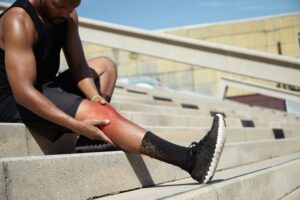
Understanding Common Sports Injuries
Athletic injuries generally fall into two distinct categories: acute traumas that happen in an instant, and overuse conditions that develop slowly over weeks of repetitive motion.
Acute Athletic Traumas
Acute injuries occur suddenly during physical activity. A sharp twist, sudden awkward landing, or direct impact can immediately stretch or tear delicate soft tissues.
- Ligament Sprains and Muscle Strains: Sudden twists often overstretch ligaments (like an ACL tear) or pull muscle fibers, causing rapid swelling and acute localized pain.
- Bone Fractures and Joint Dislocations: High-impact collisions can crack bones or force joints out of their natural alignment, requiring urgent clinical alignment.
Overuse and Repetitive Motion Injuries
When muscles and tendons do not get adequate rest between training sessions, micro-tears accumulate faster than the body can repair them.
- Tendinitis: Repeated stress inflames tendons, causing persistent stiffness in areas like the Achilles heel or shoulder cuff.
- Shin Splints and Stress Fractures: Constant pounding on hard surfaces creates hairline cracks in lower leg bones, resulting in deep, aching tenderness.
Breakdown of Frequently Treated Athletic Conditions
| Injury Type | Primary Cause | Typical Symptoms | Initial Clinical Focus |
| ACL / Knee Sprain | Sudden pivoting or sharp deceleration | Pop sound, rapid joint swelling, instability | Imaging, brace stabilization, surgical evaluation |
| Tennis / Golfer’s Elbow | Repetitive wrist and arm rotation | Outer or inner elbow burning, weak grip strength | Targeted rest, tendon loading exercises, physical therapy |
| Ankle Sprain | Rolling the foot inward on uneven ground | Bruising, local tenderness, difficulty bearing weight | Joint immobilization, balance retraining, swelling management |
| Rotator Cuff Tear | Overhead throwing or heavy lifting strain | Shoulder weakness, dull night ache, limited lift range | Targeted strength training, manual therapy, pain management |
The Role of Comprehensive Sports Injury Rehabilitation
True recovery goes beyond simply waiting for pain to fade. Returning to high-impact activities without restoring functional mobility leaves your body vulnerable to secondary compensations and repeated damage.
1. Phase One: Acute Pain and Swelling Control
During the early stage, clinical care focuses on calming tissue inflammation. Modern sports protocols emphasize relative rest, compression, elevation, and gentle passive range-of-motion work rather than complete, prolonged immobilization.
2. Phase Two: Restoring Mobility and Strength
Once acute pain subsides, structured physical reconditioning begins. Working directly with a specialized sports injury doctor ensures that progressive loading exercises rebuild muscle strength without overloading healing tendons or ligaments.
3. Phase Three: Sport-Specific Proprioception and Agility
The final recovery stage retrains your nervous system. Through targeted balance drills and sport-specific movements, your body regains the reflexes, agility, and joint stability needed for full performance.
For tailored mobility exercises and hands-on movement retraining, partnering with our dedicated team for sports injury physical therapy builds a clear bridge from initial injury back to full activity.
Multi-Specialty Care: Choosing the Right Care Team
Effective athletic recovery often requires a collaborative medical approach. Depending on the severity of your condition, your care plan may involve multiple healthcare disciplines working together:
- Orthopedic Evaluation: For complex joint tears, cartilage damage, or fractures, consulting with experienced orthopedic specialists ensures precise surgical or non-surgical alignment.
- Targeted Interventional Relief: When acute swelling restricts physical therapy progress, exploring targeted options through our pain management services helps calm nerve irritation and localized inflammation.
- Chiropractic and Spinal Alignment: Subluxations or joint restrictions in the spine can throw off your overall biomechanics. A skilled sports injury chiropractor restores joint alignment, reducing strain on surrounding soft tissues.
- Neurological Assessment: If an impact involves head trauma, dizziness, or radiating numbness down a limb, evaluation through our specialized neurology care teams provides essential neurological safety screening.
If you are searching for a qualified sports injury doctor near me, seeking a facility that houses these overlapping disciplines under one roof streamlines your entire recovery journey.
Actionable Tips for Athletic Injury Prevention
While not every accident can be prevented, adopting smart training habits drastically reduces your injury risk:
- Prioritize Dynamic Warm-ups: Replace static stretches before workouts with dynamic movements like leg swings, torso twists, and light jogging to increase tissue elasticity.
- Implement Progressive Overload: Increase your training intensity, weight, or running mileage by no more than 10% per week to give soft tissues time to adapt.
- Focus on Core and Hip Stability: A strong core and stable hip complex maintain proper knee and ankle tracking during dynamic pivots.
- Cross-Train Regularly: Alternate high-impact running or jumping with low-impact swimming or cycling to avoid repetitive stress on single joint groups.
When Should You Seek Medical Evaluation?
It can be tempting to “walk off” a minor ache, but ignoring clear warning signals can turn a short-term strain into a chronic issue. Seek immediate medical attention if you experience:
- An inability to place weight on the injured limb or joint
- Visible joint deformity, extreme bruising, or severe, sudden swelling
- Sensations of popping, locking, or joint “giving out” during basic movement
- Direct trauma to the head accompanied by dizziness, nausea, or confusion
- Pain that steadily worsens over two weeks despite rest and self-care
Frequently Asked Questions
1. What is the difference between a sprain and a strain?
A sprain is the stretching or tearing of ligaments, which connect bone to bone at a joint. A strain involves damage to muscle fibers or the tendons that anchor muscles to bone. Both require proper clinical evaluation to assess severity.
2. How quickly should I visit sports injury clinics after an hurt?
For acute injuries involving severe swelling, joint instability, or severe pain, you should be evaluated within 24 to 48 hours. Early assessment prevents secondary tissue damage and speeds up overall recovery timelines.
3. Can a sports injury chiropractor help with non-spinal injuries?
Yes. Sports-focused chiropractors work extensively on peripheral joints, including shoulders, wrists, knees, and ankles. They use manual adjustments and soft-tissue release techniques to restore proper joint mechanics throughout the body.
4. What should I expect during my first sports injury physical therapy session?
Your therapist will perform a thorough assessment, measuring your range of motion, muscle strength, joint stability, and movement mechanics. They will then build a personalized exercise program tailored to your sport and recovery goals.
5. How do I know if I need surgery or conservative rehabilitation?
Most common athletic injuries heal effectively with non-surgical treatments like physical therapy, targeted bracing, and interventional pain management. Surgery is typically reserved for complete ligament tears, severe joint instability, or displaced bone fractures.
6. How can I find a qualified sports injury doctor near me?
Look for multi-specialty medical centers that combine orthopedic specialists, physical therapists, and pain management physicians. Integrated clinics offer comprehensive diagnostic imaging and coordinated treatment plans under one roof.
Reclaim Your Peak Performance with Specialty Care Clinics
An unexpected athletic set-back does not have to end your active lifestyle. Whether you are dealing with a sudden ligament tear, nagging elbow pain, or require structured sports injury rehabilitation, expert medical guidance makes all the difference in your recovery.
At Specialty Care Clinics, our team of dedicated specialists works together to deliver personalized care plans designed to relieve pain, restore mobility, and protect your long-term athletic health.
Don’t let physical discomfort keep you on the sidelines. Schedule an appointment with Specialty Care Clinics today and take the first step toward getting back to the sports and activities you love.