
Why Early Runner’s Knee Treatment Supports Faster Recovery
Knee pain is a common complaint among runners, athletes, and people who regularly participate in physical activity. However, you don’t have to be a marathon runner to develop a runner’s knee. This condition can also affect hikers, cyclists, gym-goers, and even individuals whose daily activities place repeated stress on the knee joint. Runner’s knee, medically known as patellofemoral pain syndrome (PFPS), develops when the kneecap does not move smoothly over the femur, leading to irritation of the surrounding tissues. The pain often starts gradually and may worsen with activities such as running, climbing stairs, squatting, or sitting for long periods.
Ignoring early symptoms can make recovery more challenging and may increase the risk of ongoing discomfort or reduced athletic performance. A sports injury clinic plays an important role in diagnosing overuse injuries like runner’s knee and developing personalized treatment plans that promote healing, restore function, and help patients safely return to their favorite activities.
Understanding the causes, symptoms, and available runner’s knee treatment options can help you recognize the condition early and take steps toward recovery.
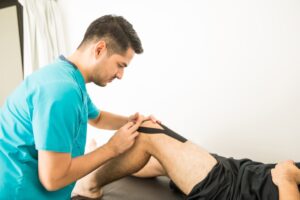
What Is a Runner’s Knee?
Runner’s knee is one of the most common overuse injuries involving the knee.It occurs when the cartilage and soft tissues surrounding the kneecap become irritated due to repeated stress or improper movement of the patella during activity.
Although the condition is strongly associated with running, it can affect anyone who performs repetitive knee movements. Without proper treatment, symptoms may gradually become more frequent and interfere with everyday activities.
Common Causes of Runner’s Knee
Several factors can contribute to the development of runner’s knee.
1. Overuse
Repeated bending and straightening of the knee places ongoing stress on the kneecap.
Activities commonly associated with overuse include:
- Running
- Cycling
- Jumping sports
- Hiking
- Stair climbing
Increasing activity too quickly without adequate recovery may increase the risk of injury.
2. Muscle Imbalances
Weakness or tightness in the muscles surrounding the hips, thighs, and core can affect kneecap alignment. Poor muscle support may increase pressure on the patellofemoral joint during movement.
3. Poor Running Mechanics
Improper running form may increase stress on the knee.
Examples include:
- Overstriding
- Poor landing mechanics
- Inadequate hip control
- Excessive inward knee movement
Correcting movement patterns often becomes an important part of rehabilitation.
4. Foot Structure
Flat feet, high arches, or abnormal foot mechanics may alter the way forces travel through the lower extremity. In some cases, supportive footwear or custom orthotics may help improve alignment.
5. Previous Knee Injury
A history of knee injuries may increase the likelihood of developing a runner’s knee due to altered movement patterns or lingering muscle weakness.
Symptoms of Runner’s Knee
Symptoms usually develop gradually rather than appearing suddenly. Common symptoms include:
- Pain around or behind the kneecap
- Pain while running
- Pain climbing or descending stairs
- Discomfort during squatting
- Pain after sitting for long periods
- Mild swelling
- Grinding or clicking sensation during knee movement
Symptoms often become worse after prolonged physical activity.
Who Is at Greater Risk?
Although anyone can develop a runner’s knee, certain factors increase the risk.
These include:
- Distance running
- Frequent jumping activities
- Sudden increases in training intensity
- Weak hip muscles
- Poor flexibility
- Improper footwear
- Previous lower-extremity injuries
- Poor movement mechanics
Addressing these risk factors may help reduce the chance of recurrence.
When Should You Visit a Sports Injury Clinic?
Many cases of mild knee pain improve with rest, but professional evaluation is recommended if symptoms:
- Persist for more than several days
- Return every time you exercise
- Limit daily activities
- Cause knee instability
- Are associated with swelling
- Become progressively worse
- Prevent participation in sports
Early evaluation at a sports injury clinic helps identify the exact cause of knee pain and prevents minor problems from progressing into more significant injuries.
How Runner’s Knee Is Diagnosed
Diagnosis begins with a detailed medical history and physical examination. Your healthcare provider may ask:
- When did the pain begin?
- Which activities increase discomfort?
- Have you recently increased your training?
- Have you experienced previous knee injuries?
- Where exactly is the pain located?
Understanding activity patterns often provides valuable clues about the underlying cause.
Physical Examination
During the examination, your healthcare provider may evaluate:
- Knee alignment
- Range of motion
- Muscle strength
- Hip stability
- Flexibility
- Walking and running mechanics
- Areas of tenderness
- Knee stability
These findings help determine whether a runner’s knee or another condition is responsible for your symptoms.
Diagnostic Imaging
Imaging studies are not always necessary but may be recommended if another injury is suspected.
1. X-rays
X-rays help evaluate bone alignment and rule out fractures or arthritis.
2. MRI
Magnetic resonance imaging (MRI) provides detailed images of cartilage, tendons, ligaments, and other soft tissues, making it useful when symptoms persist or additional knee injuries are suspected.
An accurate diagnosis is the first step toward selecting the most appropriate runner’s knee treatment plan and supporting a safe return to activity.
Runner’s Knee Treatment Options
The most effective runner’s knee treatment depends on the severity of symptoms, activity level, and the factors contributing to the condition. Most people recover successfully with conservative treatment and rehabilitation without requiring surgery.
1. Activity Modification
Reducing or temporarily avoiding activities that worsen knee pain allows irritated tissues to recover.
Your healthcare provider may recommend:
- Reducing running distance or intensity
- Avoiding hills or stairs temporarily
- Choosing low-impact activities such as swimming or cycling
- Returning to exercise gradually
Remaining active while avoiding excessive stress on the knee often supports recovery.
2. Physical Therapy
Physical therapy is one of the most important treatments for runners knee.
A rehabilitation program may include exercises to:
- Strengthen the hips and thighs
- Improve core stability
- Increase flexibility
- Improve balance
- Correct movement patterns
- Restore proper kneecap tracking
Consistent rehabilitation helps reduce pain and lowers the risk of future injuries.
3. Pain Management
Pain and inflammation can often be managed through conservative measures.
Treatment may include:
- Ice therapy after activity
- Compression when appropriate
- Elevation to reduce swelling
- Nonsteroidal anti-inflammatory drugs (NSAIDs), when recommended by your healthcare provider
These measures are typically used alongside rehabilitation rather than as the only form of treatment.
4. Bracing and Supportive Devices
Some individuals benefit from additional knee support during recovery. Depending on your condition, your healthcare provider may recommend:
- Knee braces
- Patellar straps
- Athletic taping
- Custom orthotics for foot alignment
These supports may improve comfort while reducing stress on the knee during activity.
5. Surgery
Surgery is rarely required for a runner’s knee.It may be considered only when conservative treatments have not relieved symptoms or when structural abnormalities within the knee contribute to persistent pain.
A specialist will carefully evaluate whether surgery is appropriate based on your individual condition.
Recovery and Returning to Activity
Recovery time varies depending on the severity of the injury and how consistently the treatment plan is followed.
Before returning to sports or exercise, most patients should be able to:
- Walk without pain
- Climb stairs comfortably
- Regain normal knee strength
- Restore full range of motion
- Perform sport-specific movements without discomfort
Returning to activity too soon may increase the risk of reinjury.
Preventing Runner’s Knee
Many cases of runner’s knee can be prevented with proper training habits and injury prevention strategies.
Helpful tips include:
- Increase training gradually.
- Warm up before exercise.
- Stretch after physical activity.
- Wear supportive footwear.
- Replace worn-out running shoes regularly.
- Strengthen the hips, core, and leg muscles.
- Maintain proper running technique.
- Allow adequate recovery between workouts.
These habits support long-term knee health and reduce the likelihood of overuse injuries.
Frequently Asked Questions
1. What is a runner’s knee?
Runner’s knee, or patellofemoral pain syndrome, is an overuse injury that causes pain around or behind the kneecap. It commonly affects runners, athletes, and active individuals but can occur in anyone who performs repetitive knee movements.
2. What causes a runner’s knee?
Common causes include overuse, muscle weakness, poor running mechanics, improper footwear, sudden increases in training intensity, and abnormal kneecap movement. Multiple factors often contribute to the condition.
3. How is a runner’s knee treated?
Most runner’s knee treatment plans include activity modification, physical therapy, strengthening exercises, pain management, supportive bracing when appropriate, and gradual return to activity. Surgery is rarely necessary.
4. When should I visit a sports injury clinic?
You should seek evaluation at a sports injury clinic if knee pain lasts more than several days, returns with exercise, limits daily activities, causes swelling or instability, or prevents participation in sports. Early evaluation helps identify the underlying cause and guides appropriate treatment.
5. Can I continue running with runner’s knee?
Continuing to run despite pain may worsen symptoms and delay recovery. Your healthcare provider may recommend temporarily reducing activity and following a rehabilitation program before returning to running.
Conclusion
Runner’s knee is a common overuse injury that can affect athletes and active individuals of all fitness levels. Although symptoms often begin gradually, ignoring persistent knee pain can lead to prolonged discomfort and limit participation in sports and daily activities.
Early evaluation at a sports injury clinic allows healthcare providers to identify the underlying cause of your symptoms and develop a personalized runner’s knee treatment plan. Through activity modification, rehabilitation, strength training, and preventive strategies, most patients can recover successfully, regain knee function, and safely return to the activities they enjoy.
Visit Us
Visit our https://specialtycareclinics.com/services/injury-management/ clinic for comprehensive evaluation and treatment of runner’s knee and other sports-related conditions. Our experienced healthcare team provides personalized rehabilitation programs, advanced diagnostic evaluations, and evidence-based treatment plans to help relieve pain, restore mobility, and support a safe return to physical activity.
Contact us at (972) 865-4454 today to schedule an appointment. Whether you’re experiencing persistent knee pain, recovering from a sports injury, or looking for expert guidance on injury prevention, our team is here to help you move comfortably and get back to doing what you love.