
Orthopedic Surgeon: Understanding When You Need Specialized Bone and Joint Care
A sudden knee injury, persistent back pain, or difficulty moving your shoulder can make everyday activities surprisingly challenging. When these problems affect your mobility or fail to improve, consulting an orthopedic surgeon may help you understand the cause and explore appropriate treatment options. Orthopedic surgeons specialize in conditions affecting bones, joints, muscles, ligaments, and tendons. Although their name includes the word surgery, they also provide nonsurgical treatments, such as medications, injections, bracing, and rehabilitation.
For example, someone experiencing knee pain after playing basketball may need an evaluation to determine whether the problem involves a ligament, tendon, or joint. Similarly, persistent shoulder pain may require specialized attention if it interferes with daily activities.
Knowing what orthopedic surgeons treat, when to consult one, and what to expect during an appointment can help you make informed decisions about your musculoskeletal health.
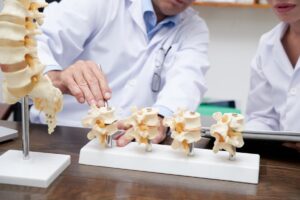
What Does an Orthopedic Surgeon Do?
An orthopedic surgeon is a medical specialist who diagnoses and treats injuries and conditions affecting the musculoskeletal system. This includes the bones, joints, muscles, ligaments, tendons, and related structures that support movement.
Orthopedic surgeons treat patients of different ages and address both sudden injuries and long-term conditions.
Their responsibilities may include:
- Diagnosing bone, joint, and muscle conditions.
- Evaluating fractures and sports injuries.
- Recommending medications, injections, or other nonsurgical treatments.
- Performing surgery when medically necessary.
- Developing rehabilitation plans to improve mobility.
- Helping patients manage chronic musculoskeletal conditions.
Not every patient who visits an orthopedic surgeon needs surgery. Many conditions can initially be managed with conservative treatments, depending on the diagnosis and severity.
Common Conditions Treated by an Orthopedic Surgeon
Orthopedic surgeons treat a wide range of conditions that can affect mobility, strength, and everyday comfort.
1. Fractures and Broken Bones
Fractures can occur after falls, vehicle accidents, sports injuries, or other traumatic events. They may affect the wrist, arm, leg, ankle, or other bones.
An orthopedic surgeon evaluates the location and severity of a fracture to determine the appropriate treatment. Depending on the injury, treatment may involve a cast, splint, bone realignment, or surgery. Prompt evaluation is particularly important when a fracture causes severe pain, visible deformity, or an open wound.
2. Sports Injuries
Sports injuries can affect athletes and people who participate in recreational activities. Sudden movements, direct impacts, and overuse can damage muscles, tendons, and ligaments.
Common sports injuries include:
- ACL tears
- Meniscus injuries
- Rotator cuff tears
- Ankle sprains
- Muscle strains
- Tendon injuries
An orthopedic surgeon can evaluate these injuries and recommend treatment based on the affected structure and the patient’s activity level.
3. Arthritis and Joint Pain
Arthritis can cause joint pain, stiffness, swelling, and reduced mobility. Osteoarthritis, in particular, develops as the protective cartilage in a joint gradually wears down.
The condition commonly affects the knees, hips, hands, and shoulders.
Treatment may include physical therapy, medications, activity modifications, or injections. In advanced cases, joint replacement surgery may be considered.
4. Back and Spine Conditions
Orthopedic surgeons who specialize in spine care diagnose and treat various spinal conditions. These may include herniated discs, spinal stenosis, spinal fractures, and certain causes of chronic back pain.
Treatment depends on the underlying condition. Some patients benefit from physical therapy and medication, while others may require specialized procedures or surgery.
When Should You See an Orthopedic Surgeon?
Not every ache or minor injury requires a specialist. However, certain symptoms may indicate that an orthopedic evaluation is appropriate.
Consider scheduling an appointment if you experience:
- Persistent joint or bone pain that does not improve.
- Limited movement in your knee, shoulder, hip, or another joint.
- Repeated swelling or stiffness.
- Difficulty walking, standing, or performing everyday activities.
- Pain that returns after physical activity.
- An injury that continues to cause discomfort despite initial treatment.
For example, if your knee hurts every time you climb stairs or your shoulder pain makes it difficult to get dressed, an orthopedic evaluation may help identify the underlying problem.
Seek emergency care for an open fracture, severe injury, major deformity, or a limb that becomes cold, pale, or numb after an accident.
What Happens During Your First Orthopedic Appointment?
Your first appointment is an opportunity for the orthopedic surgeon to understand your symptoms, evaluate your condition, and discuss possible treatment options.
1. Medical History
The appointment usually begins with questions about your symptoms, medical history, and previous injuries.
Your provider may ask:
- When did the pain begin?
- Did the pain start after an accident or develop gradually?
- Which movements make it worse?
- Have you received treatment before?
- Does the pain interfere with your daily activities?
Providing clear answers can help your provider understand your condition.
2. Physical Examination
The orthopedic surgeon may examine the affected area to evaluate tenderness, swelling, strength, and range of motion.
For example, someone experiencing knee pain may be asked to bend and straighten the knee. The provider may also assess stability and observe how the patient walks.
3. Diagnostic Testing
Depending on your symptoms, the provider may recommend imaging tests to examine the affected area.
Common diagnostic tests include:
- X-rays: Help identify fractures, bone abnormalities, and certain joint changes.
- MRI scans: Provide detailed images of soft tissues, including ligaments, tendons, and cartilage.
- CT scans: Produce detailed images of bones and can help evaluate complex fractures.
Not every patient requires advanced imaging. The appropriate tests depend on the findings from the examination.
Orthopedic Treatment Options: Surgical and Nonsurgical Care
Treatment depends on the condition, its severity, and how it affects your daily life. An orthopedic surgeon may recommend nonsurgical care before considering an operation.
1. Nonsurgical Treatment
Many musculoskeletal conditions can be managed without surgery.
Common treatment options include:
- Medication: Certain medications may help manage pain and inflammation.
- Physical therapy: Targeted exercises can improve flexibility, strength, and joint function.
- Bracing: Supportive braces may help protect injured joints or stabilize certain injuries.
- Injections: Certain injections may help manage pain and inflammation in selected conditions.
- Activity modification: Temporarily changing activities can reduce stress on an injured area.
The appropriate approach depends on the diagnosis and your individual needs.
2. Orthopedic Surgery
Surgery may be considered when an injury or condition cannot be adequately managed with nonsurgical treatment. Depending on the diagnosis, procedures may include fracture fixation, ligament repair, arthroscopy, or joint replacement.
Your surgeon can explain the purpose of a recommended procedure, its potential benefits and risks, and what recovery may involve.
How to Choose an Orthopedic Surgeon Near Me
Searching for an orthopedic surgeon near me can bring up many options. Understanding what to consider can help you find a provider suited to your medical needs.
Consider the following factors:
- Relevant experience: Look for a surgeon who regularly treats your specific injury or condition.
- Specialization: Some surgeons focus on areas such as sports medicine, spine care, or joint replacement.
- Treatment options: Ask whether both surgical and nonsurgical approaches are available when appropriate.
- Communication: Choose a provider who explains your diagnosis and treatment options clearly.
- Convenient access: Consider the clinic’s location, appointment availability, and follow-up arrangements.
You can also ask about referrals, insurance coverage, and what records or imaging results to bring to your appointment.
What Can You Do to Support Your Orthopedic Health?
Taking care of your bones and joints can help you maintain mobility and reduce certain injury risks.
Consider incorporating these habits into your routine:
- Stay physically active with exercises suited to your abilities.
- Warm up before sports and strenuous activities.
- Maintain proper posture when sitting, standing, and lifting.
- Wear appropriate footwear during exercise and everyday activities.
- Allow sufficient recovery time after physical activity.
- Follow your healthcare provider’s recommendations for existing injuries.
If you experience recurring pain or stiffness, avoid repeatedly pushing through symptoms without understanding their cause.
FAQs
1. What is the difference between an orthopedic doctor and an orthopedic surgeon?
Both terms commonly refer to physicians specializing in musculoskeletal conditions. An orthopedic surgeon has the training to perform orthopedic operations but may also recommend nonsurgical treatments, depending on the patient’s condition.
2. Do I need a referral to see an orthopedic surgeon?
Referral requirements depend on your insurance plan, healthcare provider, and location. Some patients can schedule appointments directly, while others may need a referral from their primary care provider.
3. Can an orthopedic surgeon treat joint pain without surgery?
Yes. Depending on the cause of the pain, treatment may include physical therapy, medications, injections, activity modifications, or other conservative approaches. Surgery is not necessary for every joint condition.
4. When should I visit an orthopedic surgeon for knee pain?
Consider an orthopedic evaluation if knee pain persists, repeatedly returns, limits your movement, or interferes with daily activities. Severe pain, significant swelling after an injury, or an inability to bear weight may require urgent evaluation.
5. What conditions require an orthopedic surgeon?
Orthopedic surgeons treat fractures, ligament injuries, arthritis, sports injuries, tendon problems, and various bone and joint conditions. Some also specialize in spine disorders and other specific musculoskeletal problems.
Conclusion
Bone and joint problems can affect nearly every part of your daily routine. Whether you are dealing with a sports injury, persistent joint pain, a fracture, or a spinal condition, an orthopedic surgeon can help identify the problem and explain the available treatment options.
Early evaluation may help you understand the cause of your symptoms and prevent certain injuries from becoming more complicated. Depending on your condition, treatment may involve medication, physical therapy, injections, or surgery.
Paying attention to persistent pain, following medical advice, and seeking appropriate care can help you take an active role in maintaining your mobility and orthopedic health.
Visit Us
Visit our https://specialtycareclinics.com/services/orthopedics/ today for expert orthopedic urgent care and specialized treatment for bone, joint, and musculoskeletal conditions. Our experienced orthopedic providers evaluate fractures, ligament tears, tendon injuries, sports injuries, and other orthopedic conditions using advanced diagnostic techniques and personalized treatment plans designed to restore mobility and support a safe recovery.
Contact us at (972) 865-4454 today to schedule your evaluation or walk in for prompt orthopedic care. Our dedicated team is committed to helping you receive appropriate treatment and the expert attention you need to return to your daily activities.