
Navigating Neurosurgery: How a Neurological Surgeon Resolves Complex Spine and Brain Conditions
Living with chronic, radiating back pain or numbness that shoots down your legs can make your world feel incredibly small. Simple tasks like loading the dishwasher, playing with your kids, or sitting through a movie become monumental hurdles. When physical therapy, targeted injections, and conservative management no longer provide relief, it is time to look deeper into specialized surgical options.
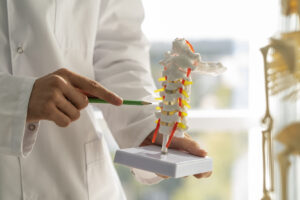
The medical landscape can feel overwhelmingly confusing when you start looking for structural answers. You might hear terms like spine surgeon, brain surgeon, or neurological surgeon used interchangeably, leaving you wondering exactly who you need to see. If you are exploring advanced treatments like spinal decompression surgery to relieve pinched nerves, or trying to find an expert spinal fusion surgeon to stabilize your structural alignment, understanding the precise roles and procedures in neurosurgery will give you the confidence to reclaim your mobility.
What is a Neurological Surgeon?
A common point of confusion for many patients is understanding the exact professional scope of a neurosurgeon. The word “neuro” automatically makes people think exclusively of brain surgery. However, a board-certified neurological surgeon is uniquely trained to diagnose and treat disorders across the entire nervous system, which includes both the brain and the complete length of the spinal column.
Brain Surgeon vs. Spine Specialist: Breaking Down the Expertise
While some orthopedic specialists focus strictly on bones, neurosurgeons approach the back from a nerve-first perspective.
- The Shared Foundation: Every neurosurgeon completes an intense residency focusing heavily on the intricate pathways where delicate nerve tissue interacts with bone.
- The Brain Specialist: Often referred to in popular culture simply as a brain surgeon, this specialist sub-focuses on intracranial conditions, such as removing tumors, repairing aneurysms, or treating traumatic head injuries.
- The Spine Specialist: Operating as a dedicated spine surgeon, this specialist dedicates their practice to repairing herniated discs, correcting scoliosis, treating spinal stenosis, and stabilizing structural vertebrae that compromise nerve function.
Because your spinal cord is the primary information highway for your entire body, having a specialist who understands both the structural mechanics of the bone and the delicate nature of the underlying nerves is critical for achieving an optimal surgical outcome.
Understanding Spinal Decompression Surgery
When a spinal disc herniates, or when arthritis causes bony overgrowths (bone spurs) inside the spinal canal, it pinches the adjacent nerve roots. This pressure is the primary driver behind sciatica, localized burning sensations, and muscle weakness. The primary goal of a decompression procedure is simple: create space.
Types of Decompression Procedures
Depending on the exact cause and location of your nerve compression, your surgical team may utilize a few distinct techniques:
- Microdiscectomy: A minimally invasive procedure where the surgeon removes a tiny portion of a herniated disc that is pressing directly against a nerve root.
- Laminectomy: The removal of the bony arch (lamina) on the back of the vertebra to widen the spinal canal and relieve severe stenosis.
- Foraminotomy: Trimming the bone around the natural exit holes where nerve roots leave the spinal column, clearing out any compressed tissue.
These procedures are highly effective at resolving radiating arm or leg pain because they instantly remove the physical mechanical pressure that is irritating the nerve pathway.
When Stability is Required: The Role of a Spinal Fusion Surgeon
While decompression removes tissue to free up compressed nerves, sometimes removing that tissue—or the underlying degenerative disease itself—leaves the spinal column structurally unstable. If your vertebrae slip back and forth over one another when you bend forward, it creates severe localized mechanical pain. This is where a specialized spinal fusion surgeon steps in.
During a spinal fusion, the surgeon bridges two or more unstable vertebrae using bone grafts and specialized hardware, such as medical-grade titanium screws and rods. Over several months, your body heals by growing these separate segments together into one single, solid block of bone.
Common Reasons for a Spinal Fusion Procedure
- Spondylolisthesis: A condition where one vertebra slips forward directly over the bone beneath it, causing structural instability.
- Severe Degenerative Disc Disease: When a spinal disc completely collapses, causing the bones to rub together and create agonizing friction.
- Corrective Deformity Repair: Straightening severe structural curvature abnormal variations, such as advanced scoliosis or kyphosis.
Comparing Procedural Approaches: Decompression vs. Fusion
| Strategic Metric | Spinal Decompression Surgery | Spinal Fusion Surgery |
| Primary Objective | Relieve radiating nerve pain/numbness | Stop painful, unstable bone movement |
| Surgical Action | Removes bone spurs or herniated disc tissue | Joins separate vertebrae with bone grafts & hardware |
| Typical Recovery | Rapid; often walking comfortably within days | Gradual; requires months for bone to fully fuse |
| Main Target Area | Specialized nerve roots and spinal canal | The structural joint stability of the vertebrae |
Frequently Asked Questions (FAQs)
What is the main structural difference between an orthopedic spine specialist and a neurosurgeon?
Both specialists are fully capable of performing complex spine procedures. The primary difference lies in their foundational training: orthopedic surgeons specialize in the comprehensive musculoskeletal framework of bones and joints, whereas neurosurgeons are trained from day one to operate directly on the central nervous system, including the delicate spinal cord and nerve roots.
How long does it take to fully recover from a spinal fusion procedure?
While most patients can return to light desk work within 4 to 6 weeks, the biological process of bone fusion takes time. It typically takes anywhere from 3 to 6 months for the vertebrae to form a solid bone bridge, and a full structural recovery can take up to a year.
Will a spinal fusion drastically limit my everyday physical flexibility?
Fusing one or two segments in your lower back or neck rarely results in a noticeable loss of daily flexibility. In fact, because your localized pain is resolved, most patients report feeling more mobile overall because they can finally move without guarding against sharp muscle spasms.
What are the main indicators that I need surgery instead of physical therapy?
Surgery is typically reserved for instances where conservative therapies have failed after 6 to 12 weeks, or when you begin experiencing progressive neurological deficits. These warning signs include localized foot drop, dropping items frequently, or a noticeable loss of bowel and bladder control.
Are modern spine procedures always performed through large incisions?
Not anymore. Thanks to specialized instrumentation, many modern decompression and minor fusion procedures are performed using minimally invasive techniques. This utilizes tiny incisions, splits muscles rather than cutting them, and drastically reduces post-operative discomfort.
What can I do to optimize my long-term healing after back surgery?
Prioritize smoking cessation, as nicotine drastically impairs bone healing and can cause a fusion to fail. Additionally, maintaining a lean body weight and strictly adhering to a physical therapy routine focused on core strengthening will protect your surrounding spinal segments from future wear.
Conclusion: Take Back Control of Your Life
Facing the prospect of spinal surgery can feel incredibly intimidating, but you do not have to live your life dictated by chronic pain. Modern medical advancements have made procedures safer, more targeted, and more effective than ever before. By partnering with a skilled, compassionate neurological team, you can pinpoint the exact root cause of your symptoms and build a clear path back toward active, pain-free living.
Visit Us our https://specialtycareclinics.com/services/neurospine/ experienced neurospine specialists provide comprehensive evaluation and advanced treatment options for neurospine and other spinal conditions.
Contact us at 972-937-8900 and schedule your consultation today to receive personalized neurospine treatment and start your journey toward pain relief and recovery.