
You Feel Fine After a Crash—So Why Is Your Pain Getting Worse?
It Didn’t Hurt at First… So Why Does It Hurt More Now?
Right after a car accident, your focus is survival. You check yourself quickly, make sure you can move, and if nothing feels seriously wrong, you move on.
It feels like you avoided the worst. But then something changes.
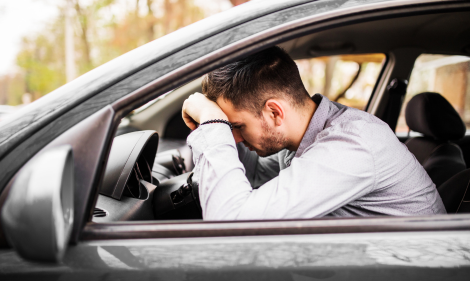
A day or two later, the soreness isn’t just soreness anymore. Your neck feels tighter. Your back pain becomes harder to ignore. A headache after a car accident starts to settle in and doesn’t go away easily.
The most confusing part?
The pain isn’t improving—it’s getting worse.
Pain often gets worse after a car accident because adrenaline initially hides injuries, while inflammation and muscle tension increase over time. Symptoms like neck pain and whiplash symptoms, headache after a car accident, and lower back pain after crash commonly intensify days later and require medical evaluation.
What’s Actually Happening Inside Your Body
Your body doesn’t always react instantly to injury. It responds in phases.
Adrenaline Delays the Pain
Immediately after the crash, your body releases adrenaline. This masks pain and allows you to function, even if you’re injured.
Inflammation Builds Gradually
Damaged tissues begin to swell over time. As inflammation increases, pain becomes more noticeable—and often more intense.
Muscle Guarding Makes It Worse
Your muscles tighten to protect injured areas. While this helps initially, it leads to stiffness, restricted movement, and increased discomfort later.
Common Symptoms That Get Worse Over Time
Neck Pain and Whiplash Symptoms
What starts as stiffness can turn into significant discomfort and limited mobility.
Headache After a Car Accident
Headaches may begin mildly and become more persistent due to tension or strain.
Lower Back Pain After Crash
Back pain often intensifies with sitting, standing, or movement.
Delayed Pain After Car Accident
Pain appearing later is often a sign of underlying injury.
General Stiffness and Fatigue
Your body may feel increasingly tight, sore, and exhausted.
Why Worsening Pain Is a Red Flag
Pain that gets worse instead of better is your body asking for attention.
It may indicate:
- Soft tissue injuries
- Increasing inflammation
- Joint or spinal issues
- Muscle strain
Ignoring worsening pain can turn a manageable injury into a long-term problem.
When Should I See a Doctor After a Car Accident?
If your pain is increasing, don’t wait.
You should seek medical care:
- Within 24 to 72 hours of the accident
- Immediately if symptoms worsen
- If pain interferes with daily activities
- Even if initial symptoms seemed mild
Early treatment leads to better outcomes.
What Happens If You Ignore Worsening Pain?
Waiting too long can complicate recovery.
Pain May Become Chronic
Temporary discomfort can turn into long-lasting pain.
Mobility Can Decline
Stiffness may limit your ability to move comfortably.
Recovery Takes Longer
Untreated injuries often require extended care.
Long-Term Complications Can Develop
Issues may persist for months or even years.
Getting the best auto injury treatment in Texas early helps prevent these outcomes.
How Doctors Evaluate Worsening Symptoms
A thorough evaluation helps identify the cause of your pain.
Your provider may:
- Review accident details
- Assess your symptoms
- Perform a physical examination
- Evaluate movement and pain levels
This ensures that hidden injuries are properly diagnosed.
Treatment Options to Stop Pain from Getting Worse
Treatment depends on your condition but often includes:
- Pain management
- Controlled movement and stretching
- Rehabilitation programs
- Physical therapy after car accident
Why Physical Therapy Is Critical for Recovery
Physical therapy after a car accident is one of the most effective ways to manage worsening pain.
It helps:
- Reduce inflammation
- Restore movement
- Strengthen muscles
- Prevent chronic issues
A Real-Life Scenario
After a low-impact crash, a person feels fine and skips medical care.
Two days later, they notice neck stiffness and a mild headache. Over the next few days, the pain worsens and begins to affect sleep and work.
By the time they seek treatment, recovery takes longer than it would have with early care.
How to Protect Yourself After a Car Accident
Simple Steps That Make a Difference
- Don’t ignore increasing pain
- Monitor symptoms closely
- Seek medical evaluation early
- Follow your treatment plan
- Start physical therapy if recommended
Conclusion
If your pain is getting worse after a car accident, it’s not something to ignore. In this blog, we explored why symptoms like headache after a car accident, neck pain and whiplash symptoms, and lower back pain after crash often intensify over time.
We also explained how your body responds to injury, why delayed symptoms occur, and when to seek medical care. Worsening pain is often a sign that your body needs attention—not something that will simply go away.
Seeking the best auto injury treatment in Texas, along with early evaluation and physical therapy after a car accident, can prevent long-term complications and support a smoother recovery.
If your pain is increasing instead of improving, take it seriously. Acting early can make a lasting difference in your recovery.
Start your recovery today:
https://specialtycareclinics.com/auto-injury/
FAQs
1. Is it normal for pain to get worse after a car accident?
Yes, pain can worsen as inflammation builds and muscles tighten after the initial injury.
2. Why didn’t I feel pain right after the accident?
Adrenaline temporarily blocks pain signals, delaying symptoms.
3. What symptoms should I take seriously?
Worsening neck pain, headaches, back pain, and stiffness should not be ignored.
4. When should I see a doctor if pain is increasing?
You should seek care immediately if symptoms worsen, even if they seemed mild at first.
5. What helps reduce pain after a car accident?
Early medical care and physical therapy after a car accident help control pain and support recovery.