
How Spine Care Helps Relieve Cervical Spine Pain and Improve Mobility
Neck pain is one of the most common musculoskeletal complaints, affecting people of all ages. Whether it develops after long hours at a computer, an injury, poor posture, or age-related changes in the spine, neck pain can make even simple movements uncomfortable. Turning your head while driving, working at a desk, sleeping comfortably, or lifting everyday objects may become increasingly difficult when the cervical spine is affected.
While many episodes of neck pain improve with rest and self-care, persistent pain, numbness, weakness, or limited movement may indicate an underlying cervical spine condition that requires medical evaluation.
This is where comprehensive spine care becomes important. The cervical spine consists of the seven vertebrae in the neck that support the head while protecting the spinal cord and surrounding nerves. When these structures become injured or affected by degenerative conditions, symptoms may extend beyond the neck into the shoulders, arms, and hands.
Understanding the causes of cervical spine disorders, recognizing warning signs, and learning about available cervical spine treatment options can help patients make informed decisions about their spinal health.
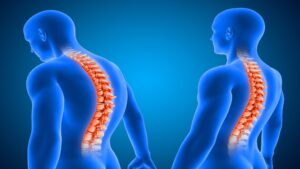
Understanding the Cervical Spine
The cervical spine forms the upper portion of the spinal column. It is made up of seven vertebrae (C1 through C7) that work together with discs, muscles, ligaments, joints, and nerves to provide both stability and flexibility.
The cervical spine allows you to:
- Turn your head
- Bend your neck forward and backward
- Tilt your head from side to side
- Support the weight of the head
- Protect the spinal cord
Because the neck is highly mobile, it is particularly susceptible to injuries and age-related wear.
Common Cervical Spine Conditions
Many different disorders can affect the cervical spine.
1. Cervical Disc Herniation
Between each vertebra sits a disc that acts as a cushion. When the outer layer of a disc tears, the inner material may protrude and place pressure on nearby nerves.
Common symptoms include:
- Neck pain
- Pain radiating into the shoulder or arm
- Numbness
- Tingling
- Muscle weakness
Symptoms vary depending on which nerve is affected.
2. Cervical Radiculopathy
Cervical radiculopathy occurs when a nerve root in the neck becomes compressed or irritated.
Patients often experience:
- Sharp neck pain
- Arm pain
- Numbness in the fingers
- Tingling sensations
- Reduced grip strength
Early diagnosis may help prevent worsening nerve damage.
3. Cervical Spinal Stenosis
Spinal stenosis refers to narrowing of the spinal canal. As the space surrounding the spinal cord becomes smaller, pressure on the spinal cord or nerves may develop.
Symptoms may include:
- Neck pain
- Arm weakness
- Balance problems
- Difficulty walking
- Coordination changes
The severity of symptoms depends on the degree of spinal canal narrowing.
4. Cervical Osteoarthritis
Normal aging can gradually wear down the cartilage within the joints of the cervical spine. This condition may cause:
- Chronic neck stiffness
- Reduced flexibility
- Joint pain
- Bone spur formation
- Nerve compression
Symptoms often develop gradually over time.
5. Whiplash Injuries
Whiplash commonly occurs after motor vehicle accidents or other sudden impacts. The rapid forward-and-backward movement of the neck may injure:
- Muscles
- Ligaments
- Tendons
- Cervical joints
Symptoms often include neck pain, stiffness, headaches, and reduced range of motion.
Common Symptoms of Cervical Spine Disorders
Although symptoms vary by condition, many cervical spine disorders produce similar warning signs.
Common symptoms include:
- Neck pain
- Neck stiffness
- Headaches
- Shoulder pain
- Arm pain
- Tingling in the hands
- Numbness
- Muscle weakness
- Difficulty turning the head
- Reduced range of motion
Some patients also experience difficulty with balance or coordination when the spinal cord becomes affected.
When Should You Seek Medical Care?
While mild neck discomfort often improves within a few days, medical evaluation is recommended if symptoms:
- Persist for several weeks
- Become progressively worse
- Radiate into the arms
- Cause numbness or weakness
- Follow an injury
- Interfere with daily activities
- Are associated with balance problems
Early evaluation often allows treatment to begin before symptoms become more severe.
How Cervical Spine Disorders Are Diagnosed
Accurate diagnosis begins with a detailed medical history and physical examination.
Your healthcare provider may ask:
- When did the pain begin?
- Was there a recent injury?
- Does pain travel into your arm?
- What movements worsen symptoms?
- Have you experienced numbness or weakness?
- Does pain interfere with sleep or work?
Understanding symptom patterns helps narrow the possible causes.
Physical Examination
During the examination, your provider may assess:
- Neck movement
- Muscle strength
- Reflexes
- Sensation
- Balance
- Coordination
- Walking pattern
These findings help determine whether nerves or the spinal cord may be involved.
Diagnostic Imaging
Imaging studies provide detailed information about the cervical spine.
1. X-rays
X-rays evaluate bone alignment, arthritis, fractures, and spinal instability.
2. MRI
Magnetic resonance imaging (MRI) provides detailed images of discs, nerves, ligaments, and the spinal cord, making it one of the most valuable tools for diagnosing cervical spine disorders.
3. CT Scan
Computed tomography (CT) scans provide highly detailed images of the bones and may be recommended after injuries or when additional information is needed.
Accurate diagnosis is the foundation of effective cervical spine treatment and helps healthcare providers develop personalized spine care plans that address each patient’s specific condition.
Cervical Spine Treatment Options
The most appropriate cervical spine treatment depends on the underlying condition, the severity of symptoms, and the patient’s overall health. In many cases, conservative treatments provide significant relief and help patients avoid surgery.
1. Physical Therapy
Physical therapy is often one of the first treatments recommended for cervical spine disorders. A personalized exercise program may help:
- Improve flexibility
- Strengthen neck and shoulder muscles
- Improve posture
- Increase range of motion
- Reduce pain
- Support long-term spinal stability
Therapists may also recommend stretching exercises and ergonomic adjustments for work and daily activities.
2. Medications
Medications may help reduce pain and inflammation during recovery. Depending on your symptoms, your healthcare provider may recommend:
- Nonsteroidal anti-inflammatory drugs (NSAIDs)
- Muscle relaxants
- Short-term pain medications
- Medications for nerve-related pain
Medication is typically combined with rehabilitation and other conservative treatments for the best outcomes.
3. Spinal Injections
For some patients, image-guided spinal injections may help reduce inflammation around irritated nerves and provide temporary pain relief. These procedures may also help improve participation in physical therapy by reducing discomfort.
The type of injection recommended depends on the specific cervical spine condition.
4. Surgical Treatment
Surgery is generally considered only when non-surgical treatments have not provided adequate relief or when significant nerve compression, spinal instability, or spinal cord involvement is present.
Common surgical procedures may include:
- Cervical discectomy
- Spinal decompression
- Cervical spinal fusion
- Artificial disc replacement
Your spine specialist will explain the potential benefits, risks, and expected recovery before recommending surgery.
Recovery and Rehabilitation
Recovery varies depending on the diagnosis and the type of treatment received. Many patients benefit from a structured rehabilitation program that focuses on restoring neck function and preventing future injuries.
Rehabilitation may include:
- Guided stretching exercises
- Strength training
- Posture correction
- Balance exercises
- Activity modification
- Ergonomic education
Following your treatment plan consistently can improve recovery and reduce the likelihood of recurring symptoms.
Tips for Maintaining a Healthy Cervical Spine
Protecting your neck can reduce the risk of future spine problems.
Healthy habits include:
- Maintain good posture while sitting and standing.
- Position computer screens at eye level.
- Take frequent breaks during desk work.
- Perform regular neck stretching exercises.
- Sleep with appropriate neck support.
- Lift objects using proper body mechanics.
- Stay physically active.
- Maintain a healthy weight.
- Avoid prolonged use of mobile devices with your head bent forward.
These simple practices support long-term spine care and may help reduce unnecessary strain on the cervical spine.
Frequently Asked Questions (FAQs)
1. What is the cervical spine?
The cervical spine is the upper portion of the spinal column located in the neck. It consists of seven vertebrae (C1–C7) that support the head, protect the spinal cord, and allow a wide range of head and neck movements.
2. What causes cervical spine problems?
Common causes include age-related degeneration, herniated discs, arthritis, spinal stenosis, poor posture, repetitive strain, sports injuries, and motor vehicle accidents. Some conditions develop gradually, while others result from sudden trauma.
3. What is the most common cervical spine treatment?
The most appropriate cervical spine treatment depends on the diagnosis. Many patients improve with physical therapy, medications, posture correction, activity modification, and spinal injections. Surgery is typically reserved for more severe cases or when conservative treatments are unsuccessful.
4. When should I seek medical care for neck pain?
Medical evaluation is recommended if neck pain lasts more than a few weeks, radiates into the arms, causes numbness or weakness, follows an injury, or interferes with normal daily activities. Immediate medical attention is important if symptoms are accompanied by loss of coordination, difficulty walking, or problems with bladder or bowel control.
5. Can cervical spine disorders heal without surgery?
Yes. Many cervical spine conditions respond well to non-surgical treatments, especially when diagnosed early. A personalized spine care plan that includes rehabilitation and lifestyle modifications often provides significant improvement.
Conclusion
The cervical spine plays a vital role in supporting the head, protecting the spinal cord, and allowing smooth neck movement. When disorders such as herniated discs, spinal stenosis, arthritis, or nerve compression develop, they can significantly affect daily activities, comfort, and overall quality of life.
Comprehensive spine care focuses on identifying the underlying cause of symptoms and creating personalized treatment plans that may include physical therapy, medications, spinal injections, or surgery when necessary. Early evaluation and appropriate cervical spine treatment can relieve pain, improve mobility, protect nerve function, and help patients return to their normal routines with greater confidence.
Visit Us
Visit our https://specialtycareclinics.com/services/neurospine/ clinic for comprehensive spine care services tailored to patients experiencing neck pain, cervical spine disorders, and related nerve conditions. Our experienced healthcare team provides detailed evaluations, advanced diagnostic imaging, and individualized treatment plans designed to improve mobility, relieve pain, and support long-term spinal health.
Contact us at (972) 865-4454 today to schedule a consultation. Whether you’re experiencing chronic neck pain, numbness, arm weakness, or recovering from a cervical spine injury, our team is here to provide compassionate, evidence-based care and personalized treatment to help you move more comfortably.