
Finding the Right Fit: Your Guide to Choosing an Orthopedic Doctor Near Me
We have all been there. You roll out of bed on a Tuesday morning, take one step, and a sharp, nagging pain shoots straight through your lower back or knee. You try to brush it off, blaming it on “getting older” or a tough workout. But by Friday, you are limping through the grocery store, realizing this isn’t just a passing ache.
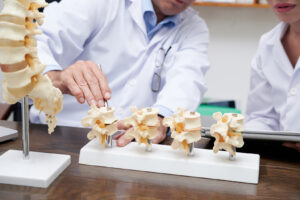
When joint, bone, or muscle pain begins to steal your quality of life, typing orthopedic doctor near me into a search engine is usually your first line of defense. But looking at pages of local search results can feel completely overwhelming. How do you distinguish between a general bone specialist and a highly specialized orthopedic surgeon? How do you know who to trust with your mobility?
Finding the right orthopedic near me doesn’t have to be a guessing game. Let’s strip away the medical jargon and look at a practical, step-by-step approach to finding a bone and joint specialist who will actually listen to you and get you back to moving pain-free.
What Does an Orthopedic Specialist Actually Do?
Many people assume that visiting an orthopedic clinic means you are automatically heading down the path toward surgery. This is one of the biggest misconceptions in healthcare.
An orthopedic specialist focuses on the entire musculoskeletal system. This includes your bones, joints, ligaments, tendons, muscles, and nerves. While they are fully trained to operate, their primary goal is to restore your function using the least invasive methods possible.
In fact, a vast majority of orthopedic patients are successfully treated without ever seeing the inside of an operating room. Non-surgical treatment methods often include:
- Targeted physical therapy and rehabilitation programs.
- Corticosteroid or hyaluronic acid injections to manage severe inflammation.
- Prescription anti-inflammatory medications or specialized bracing.
- Lifestyle modifications, such as low-impact exercise routines.
Generalist vs. Specialist: Decoding the Titles
As you search for a qualified provider, you will notice that some doctors handle any bone or joint issue, while others focus exclusively on one specific part of the body. Understanding this distinction can save you a lot of time and money.
The General Orthopedist
These doctors are fantastic for acute injuries, unexplained general joint pain, or minor fractures. If you break your wrist slipping on ice or develop sudden hip pain, a generalist can diagnose the issue and start your treatment plan immediately.
The Sub-specialist Orthopedic Surgeon
If your condition is complex, chronic, or requires highly precise surgical intervention, you will want a physician who has completed a fellowship in a specific sub-specialty.
| Sub-Specialty | Areas of Focus | Common Conditions Treated |
| Sports Medicine | Soft tissue injuries, arthroscopy | ACL tears, rotator cuff tears, tennis elbow |
| Joint Reconstruction | Total joint replacements | Severe osteoarthritis of the hip, knee, or shoulder |
| Spine Care | Neck and back disorders | Herniated discs, spinal stenosis, sciatica |
| Hand & Upper Extremity | Intricate bone and nerve structures | Carpal tunnel syndrome, trigger finger, fractures |
4 Crucial Steps to Find the Best Orthopedic Near Me
Don’t just pick the first name that pops up on your map application. Use this practical checklist to vet local doctors and find a medical team that aligns with your specific health needs.
1. Check Your Insurance Coverage First
Let’s be completely practical: medical care is expensive. To avoid facing massive, unexpected out-of-pocket bills, log into your health insurance portal and filter for in-network orthopedic providers. If a specific doctor comes highly recommended but sits just outside your network, call their billing office directly to ask about self-pay discounts or payment plans.
2. Verify Credentials and Fellowship Training
Look closely at the doctor’s bio on their clinic website. Are they board-certified by a recognized organization, such as the American Board of Orthopaedic Surgery? Board certification tells you that the physician has passed rigorous peer reviews and continuous testing. Furthermore, check if they have completed a fellowship in the specific area where you are experiencing pain.
3. Read Patient Reviews for “Soft Skills”
While clinical skill is paramount, a doctor’s bedside manner matters immensely. Look at independent review platforms to see what past patients say about their experiences.
- Did the doctor explain the diagnosis in simple English, or did they rush through the appointment?
- Did they present non-surgical options first, or did they immediately push for an operation?
- Is the office staff responsive when you call to ask for a prescription refill or test results?
4. Consider Hospital Quality and Affiliation
Orthopedic procedures, especially joint replacements or spinal surgeries, often require a brief hospital stay or a specialized outpatient surgical center. Research the reputation of the facilities where your chosen surgeon operates. High-quality surgical environments drastically reduce the risk of post-operative complications and hospital-acquired infections.
What to Expect During Your First Appointment
Walking into a specialist’s office can cause a bit of anxiety. Knowing what lies ahead can help you feel calm, organized, and completely in control of your care.
During your initial consultation, the doctor will take a thorough medical history. They will ask specific questions about when your pain started, what makes it worse, and what treatments you have already tried at home. Next, they will perform a physical exam, checking your joint reflexes, strength, and range of motion.
Pro Tip: “Always bring any recent X-ray discs or MRI reports from your primary care doctor or an urgent care clinic to your first appointment. Redoing these diagnostic scans because the specialist doesn’t have access to them wastes time and costs you unnecessary money.”
Frequently Asked Questions
Do I need a referral to see an orthopedic doctor near me?
Whether you need a referral depends entirely on your specific health insurance plan. PPO plans typically allow you to book an appointment directly with a specialist. However, HMO plans usually require your primary care physician to submit a formal referral before your insurance will cover the cost of the specialist visit.
What is the difference between a podiatrist and an orthopedic surgeon?
While both treat foot and ankle issues, their training paths differ. A podiatrist focuses exclusively on the foot, ankle, and lower leg structures. An orthopedic surgeon is a medical doctor (MD or DO) who treats the entire musculoskeletal system from head to toe, making them better suited for complex cases involving the knees, hips, or spine.
When should I see an orthopedic doctor instead of waiting for pain to go away?
You should schedule a consultation if your pain lasts longer than two weeks, prevents you from sleeping, or doesn’t improve with rest and over-the-counter anti-inflammatory drugs. Seek immediate emergency care if you cannot bear any weight on a limb, notice a visible joint deformity, or experience sudden numbness.
Are orthopedic surgeons also able to provide physical therapy?
Orthopedic surgeons do not personally administer physical therapy, but they work hand-in-hand with licensed physical therapists. Your doctor will diagnose your injury, outline specific movement precautions, and write a detailed physical therapy prescription for a therapist to execute.
What questions should I ask during my first orthopedic consultation?
To get the most out of your visit, consider asking: What is the exact structural cause of my pain? Are there conservative, non-surgical treatments we can try first? If surgery becomes necessary, what does the typical recovery timeline look like, and what are the associated risks?
How can I manage my joint pain while waiting for my appointment date?
While you wait to see a specialist, stick to conservative management. Rest the joint, apply ice packs for 15 minutes at a time to curb acute inflammation, use supportive footwear or a basic compression sleeve, and avoid high-impact activities that aggravate the throbbing.
Take Control of Your Mobility Today
Living with constant, daily physical discomfort is exhausting. It drains your energy, limits your independence, and keeps you away from the hobbies and people you love most. But you don’t have to simply accept joint pain as your permanent reality.
By taking the time to research a qualified orthopedic doctor near me, verifying their credentials, and asking the right questions during your visit, you take the reins of your own recovery. Whether your solution turns out to be a simple course of physical therapy or a life-changing joint replacement, the right medical team will guide you safely back to a vibrant, active life.
Visit Us our https://specialtycareclinics.com/services/orthopedics/ Experienced orthopedics specialists provide comprehensive evaluation and advanced treatment options for orthopedics and other spinal conditions.
Contact us at 972-937-8900 and schedule your consultation today to receive personalized thoracic spine injury treatment and start your journey toward pain relief and recovery.