
Why Emergency Rooms Miss Auto Injuries—and What to Do Next
Emergency rooms are designed to handle life-threatening emergencies, not long-term injury management. After a car accident, ER doctors focus on ruling out fractures, internal bleeding, and head trauma that require immediate intervention.
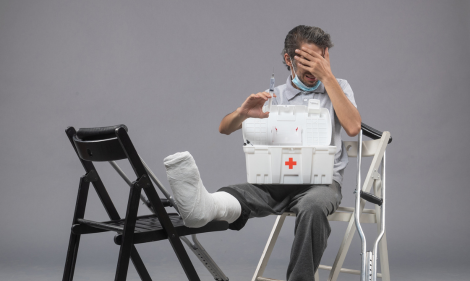
If scans appear normal and pain is mild, patients are often discharged within hours. Unfortunately, many auto injuries don’t show up immediately, leaving patients unaware of underlying damage that worsens later.
The Limitations of ER Testing After a Crash
Most emergency rooms rely heavily on:
- X-rays
- CT scans
- Basic neurological checks
These tests are excellent for detecting broken bones or internal bleeding—but they do not show:
- Muscle tears
- Ligament damage
- Early disc injuries
- Nerve compression
- Inflammation-based pain
As a result, patients are told they’re “fine” when injuries are actually developing beneath the surface.
Auto Injuries Emergency Rooms Commonly Miss
Soft Tissue Injuries
Strained muscles and torn ligaments are among the most common car accident injuries, yet they rarely appear on imaging tests.
Whiplash and Neck Trauma
Whiplash symptoms often worsen days later, causing neck stiffness, headaches, shoulder pain, and dizziness.
Spinal Disc Injuries
Disc bulges and herniations may not cause immediate pain but can progress into chronic back pain or nerve symptoms if untreated.
Spinal Cord and Spine Injuries
Nerve Damage
Inflammation around nerves can cause delayed tingling, numbness, burning pain, or weakness—often missed during an ER visit.
Why Symptoms Appear After You Leave the ER
After a crash, adrenaline masks pain. Once it wears off, inflammation builds and injured tissues begin to stiffen. This explains why many patients feel worse 24–72 hours after being cleared by the ER.
Common delayed symptoms include:
- Increasing neck or back pain
- Headaches
- Fatigue or brain fog
- Limited movement
- Tingling or numbness
What to Do After the ER Misses an Auto Injury
If symptoms persist or worsen after an ER visit, the next step is specialized auto injury care. Accident injury clinics focus on:
- Thorough musculoskeletal exams
- Soft tissue and nerve evaluation
- Functional movement testing
- Ongoing recovery plans
This level of care helps prevent injuries from becoming chronic and provides proper documentation for insurance claims.
Why Accident Injury Clinics Are Essential
Unlike emergency rooms, accident injury clinics:
- Monitor symptoms over time
- Treat inflammation early
- Address pain without masking it
- Focus on full recovery, not just discharge
Early intervention reduces long-term pain, improves healing outcomes, and helps patients return to normal activity safely.
Conclusion: An ER Visit Is Not the End of Your Care
Emergency rooms are critical after serious accidents—but they are only the beginning. Many auto injuries take time to reveal themselves, and relying solely on an ER visit can delay proper treatment.
If pain, stiffness, or neurological symptoms appear after your accident, a specialized accident injury clinic can identify what the ER missed and guide your recovery.
Get Complete Auto Injury Care Today
Specialty Care Clinics
https://specialtycareclinics.com/auto-injury/
Call now to schedule a comprehensive post-accident evaluation
FAQs
1. Why do emergency rooms miss car accident injuries?
ERs focus on life-threatening issues and often lack tools to detect soft tissue and nerve damage.
2. Is it normal to feel worse after leaving the ER?
Yes. Delayed inflammation and reduced adrenaline can cause symptoms to appear days later.
3. Should I see another doctor after an ER visit?
Yes, especially if pain or stiffness develops after discharge.
4. What injuries don’t show up on X-rays?
Soft tissue injuries, disc damage, and nerve irritation often go undetected.
5. Where should I go after the ER for auto injuries?
An accident injury clinic specializing in car accident care is the best next step.