
Why You Can’t Wait: Early Care After an Auto Injury
A car accident is a sudden, violent event that gives your body zero time to prepare. Whether you’re rear-ended at a stoplight or involved in a high-speed collision, your muscles, joints, and internal organs absorb tremendous force.
Yet immediately after a crash, many people walk away feeling “fine” — or believe they’ve only suffered mild soreness. This isn’t luck. It’s biology.
When your body experiences trauma, it releases a rush of adrenaline and cortisol. These hormones sharpen your focus and mute pain, buying you time during emergencies. Unfortunately, this creates a dangerous illusion of safety.
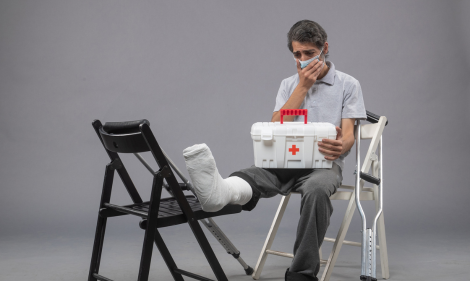
This is why Specialty Care Clinics urges accident victims across Texas not to wait for symptoms to appear. The truth is simple:
The sooner you seek care, the faster and safer you recover — and the less likely your injuries will become permanent.
Inside the Crucial 72 Hours: What Happens in Your Body
During the first 72 hours after an accident, your body is undergoing intense internal changes. Understanding these changes is the key to preventing chronic damage.
0–24 Hours: The Adrenaline Mask
- Pain signals are temporarily blocked
- Internal injuries may be progressing silently
- Swelling starts deep in tissues but may not be visible
- Whiplash, concussion, and spinal injuries are already developing
24–48 Hours: The Delayed Pain Phase
- Inflammation increases significantly
- Muscles stiffen due to microtears
- Headaches, dizziness, and nausea may begin
- Back or neck pain becomes more noticeable
- Bruising emerges as blood vessels leak into tissues
48–72 Hours: The Peak Inflammation Stage
- Pain often becomes severe and harder to manage
- Untreated injuries begin forming scar tissue
- Range of motion decreases
- Nerve compression symptoms may start
- Hidden injuries become more obvious — sometimes dramatically
If medical evaluation is delayed, these 72 hours can turn a treatable injury into a long-term condition.
The Hidden Injuries Most People Don’t Notice — Until It’s Too Late
Not all injuries announce themselves immediately. In fact, delayed-onset symptoms are the norm after car accidents.
Below are the silent injuries Specialty Care Clinics commonly diagnoses:
1. Whiplash — The “Invisible” Injury
Whiplash occurs when the head is violently jerked forward and back, stretching muscles, tendons, and ligaments beyond their limit.
Why it often goes unnoticed early:
- Pain receptors are dulled by adrenaline
- Swelling takes hours to develop
- Neck muscles tighten to protect the spine
Possible symptoms (often delayed 24–72 hours):
- Neck pain
- Headaches
- Fatigue
- Dizziness
- Shoulder or upper back pain
- Tingling in the arms
Untreated whiplash can lead to chronic neck stiffness, migraines, and nerve compression.
2. Soft Tissue Injuries — The Most Underestimated Damage
These include sprains, strains, and microscopic muscle tears.
Why they’re dangerous:
- They rarely show up on X-rays
- Scar tissue begins forming within days
- Untreated swelling can limit future mobility
Without early intervention, soft tissue injuries often develop into chronic pain disorders, especially in the back, shoulders, and knees.
3. Concussions — Even Without Head Impact
Many people believe concussions only happen if your head hits something. Not true.
A sudden stop can cause the brain to slam against the inside of the skull.
Symptoms may appear hours later:
- Memory issues
- Difficulty concentrating
- Nausea
- Light and sound sensitivity
- Fatigue
Delayed concussion diagnosis increases the risk of post-concussive syndrome.
4. Internal Bleeding & Organ Damage
The most dangerous injuries are often the quietest.
Red flags that may appear too late include:
- Abdominal pain
- Severe bruising
- Lightheadedness
- Rapid heartbeat
- Fainting
A scan during your first visit to Specialty Care Clinics can identify internal injuries before they become life-threatening.
5. Spinal & Nerve Injuries
The spine is highly vulnerable during a crash, even at low speeds.
Possible issues include:
- Herniated discs
- Pinched nerves
- Spinal misalignment
- Sciatic nerve irritation
Symptoms like tingling, numbness, or shooting pain may not appear until days later — or after inflammation peaks.
What Happens During Your Early Visit to Specialty Care Clinics
When you come in after an accident — even without symptoms — our team focuses on uncovering injuries that can’t be seen or felt yet.
Your evaluation includes:
✔️ Complete Injury History & Crash Analysis
Understanding the direction and intensity of the impact helps us predict what might be injured.
✔️ Neurological Testing
To detect concussion, nerve damage, or early brain impairment.
✔️ Musculoskeletal & Spinal Assessment
We evaluate posture, alignment, mobility, and pain sensitivity.
✔️ Advanced Diagnostic Imaging
Depending on your condition:
- Digital X-rays
- CT scans
- MRI scans
✔️ Functional Mobility Testing
We measure how the accident has affected your everyday movements — sometimes even before you feel pain.
This early detection allows us to craft a personalized, targeted treatment plan that dramatically improves recovery outcomes.
Step 2: Early Pain & Inflammation Management
During the first 48–72 hours, the primary goal is controlling inflammation before it worsens.
Your treatment may include:
- Anti-inflammatory medications
- Muscle relaxants
- Targeted trigger-point injections
- Ice therapy and compression
- Supportive bracing for neck, back, or joints
- Chiropractic adjustments (gentle, not forceful)
- Rest and ergonomic guidance
Managing inflammation early reduces tissue damage, pain intensity, and long-term stiffness.
Step 3: Early Physical Therapy — A Game-Changer
Once swelling stabilizes, movement becomes your best tool for recovery.
Our physical therapy programs help you:
- Restore flexibility
- Rebuild strength
- Improve posture
- Reduce scar tissue formation
- Prevent long-term stiffness
- Regain balance and mobility
We use scientifically backed methods such as:
- Guided stretching routines
- Muscle strengthening exercises
- Soft tissue mobilization
- Electrical stimulation
- Ultrasound therapy
- Heat therapy
- Posture and gait training
Starting physical therapy early prevents minor injuries from turning into lifelong limitations.
What Happens If You Wait Too Long
Delaying medical care can result in:
- Chronic back and neck pain
- Persistent headaches
- Limited range of motion
- Nerve compression disorders
- Shoulder or knee instability
- Post-traumatic arthritis
- Longer, more painful recovery
Most long-term complications we treat began as small, untreated injuries in the first 72 hours.
Your Body Doesn’t Heal Alone — The Emotional Impact Matters
Car accidents also affect your mental and emotional health.
You may experience:
- Anxiet
- Sleep disturbances
- Fear of driving
- Stress or panic
- Mood changes
At Specialty Care Clinics, we support both your physical and emotional healing with:
- Counseling resources
- Stress management techniques
- Patient education
- Clear recovery expectations
Whole-body recovery is our priority.
Why Patients Across Texas Trust Specialty Care Clinics
Our comprehensive, collaborative approach ensures you get everything you need in one place:
- Auto injury recovery experts
- Pain management specialists
- Spine and soft tissue injury care
- Neurological evaluation
- Advanced imaging
- Physical therapy
- Chiropractic care
- Long-term wellness and prevention
We don’t believe in temporary fixes — we treat the root of the injury to restore full function and prevent chronic complications.
Don’t Wait — Your Recovery Starts Now
If you’ve recently been in a car accident, even a minor one, don’t wait for symptoms.
The first 72 hours can determine whether you recover fully… or face months — even years — of chronic pain.
Take control of your health today.
Schedule your post-accident evaluation now:
https://specialtycareclinics.com/auto-injury/
FAQs
Q1. Why don’t I feel pain right after a crash?
Adrenaline masks pain until your body calms down.
Q2. Should I see a doctor even if I feel normal?
Yes. Many serious injuries—like concussions and internal bleeding—show symptoms later.
Q3. How long is recovery?
Most patients improve within weeks to months with consistent treatment.
Q4. Does early treatment really prevent chronic pain?
Absolutely. Early intervention reduces inflammation, limits scar tissue, and speeds healing.
Q5. Where can I get expert auto injury care in Texas?
At Specialty Care Clinics, with comprehensive accident care, diagnostics, and rehabilitation.