
Navigating Gout Pain: Effective Strategies for Immediate Relief and Long-Term Care in Texas
Waking up in the middle of the night to a intense, burning sensation in your joint—most frequently as severe gout pain in the foot—can leave you immobilized and searching for immediate answers. Gout is widely recognized as one of the most painful forms of inflammatory arthritis, turning the light touch of a bedsheet or the simple act of taking a step into an excruciating experience.
How do you achieve gout pain relief? Obtaining immediate pain relief for gout requires a combination of home joint care—such as elevation, cold compress application, and absolute rest—and prescription meds for gout pain, including nonsteroidal anti-inflammatory drugs (NSAIDs), colchicine, or targeted corticosteroid injections. This dual strategy rapidly suppresses intense joint inflammation and neutralizes sharp monosodium urate crystal irritation.
In this medical guide, you will learn why gout pain occurs, key physical symptoms, advanced diagnostic protocols, acute and long-term treatment plans, and how Specialty Care Clinics provides specialized care across our Texas locations.
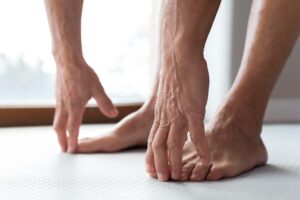
Understanding Gout Pain: Biological Mechanics and Triggers
Gout is fundamentally a metabolic joint condition. Understanding how uric acid builds up in your system helps explain why targeted medical care is essential to stop recurring flare-ups.
The Science of Hyperuricemia and Crystal Formation
Uric acid is a natural metabolic byproduct formed when your body processes purines—substances naturally present in human tissue and abundant in foods like red meat, organ meats, shellfish, beer, spirits, and high-fructose corn syrup. Under normal physiological conditions, uric acid dissolves in the bloodstream and is filtered out by the kidneys into urine.
When the kidneys excrete too little uric acid or the body produces too much, blood concentrations exceed normal saturation thresholds, resulting in hyperuricemia. Excess uric acid crystallizes into razor-sharp, needle-like monosodium urate crystals that deposit directly inside joint capsules, tendon sheaths, and surrounding soft tissues, triggering acute inflammation.
Why Gout Pain Frequently Strikes the Foot
- Cooler Peripheral Temperatures: The small joints of the foot—especially the base of the big toe (first metatarsophalangeal joint)—sit farthest from the body’s core. Lower ambient temperatures cause uric acid to crystallize out of solution much faster.
- Continuous Mechanical Load: Foot and ankle joints bear your entire body weight during daily movement, creating micro-trauma that invites local crystal accumulation.
- Gravitational Fluid Pooling: Gravity promotes fluid retention and slower venous return in the lower extremities, encouraging localized uric acid pooling.
Recognizing Symptoms of Gout Pain: Spotting an Acute Attack
Recognizing the distinct physical characteristics of an acute gout flare helps distinguish metabolic joint inflammation from structural fractures, ligament sprains, or soft tissue infections.
Primary Physical Indicators
- Sudden, Explosive Pain: Intense joint pain that develops rapidly, often striking overnight and reaching maximum severity within 8 to 24 hours.
- Extreme Mechanical Sensitivity: The joint becomes hyper-sensitive, where even light air movement or light clothing causes sharp distress.
- Severe Erythema and Surface Heat: The skin over the affected joint turns deep red or purplish, feeling distinctly hot to the touch.
- Tight Swelling and Restricting Stiffness: Massive joint swelling stretches the skin, leaving it looking shiny and restricting normal movement.
- Post-Flare Skin Desquamation: As acute swelling subsides over several days, the skin over the affected joint often hitches, turns dry, and peels.
Red Flag Warning Signs: Seek emergency medical care immediately if severe joint pain is accompanied by a high fever, severe chills, or an open skin wound near the joint, as these symptoms can indicate a dangerous bacterial joint infection (septic arthritis).
Diagnostic Steps: Confirming Gout and Evaluating Joint Health
Securing an accurate clinical diagnosis at Specialty Care Clinics ensures you receive targeted meds for gout pain rather than non-specific therapies for unrelated joint conditions.
Comprehensive Clinical Protocol
- Clinical Examination and History: Physicians evaluate flare-up speed, physical triggers, dietary habits, and joint appearance.
- Arthrocentesis (Joint Fluid Analysis): The definitive gold-standard test for gout. A clinician uses a fine needle to extract a small sample of fluid from the inflamed joint to confirm the presence of needle-shaped urate crystals under a polarized light microscope.
- Serum Uric Acid Blood Testing: Measures circulating uric acid levels. While elevated levels support a diagnosis, normal levels during an active flare-up do not rule out gout, making joint fluid or imaging analysis vital.
- Digital X-Rays and Musculoskeletal Ultrasound: High-resolution imaging checks for joint space narrowing, bone erosions, and subsurface crystal deposits (tophi).
Treatment Options: Meds for Gout Pain and Therapeutic Approaches
Managing gout pain involves two distinct clinical phases: immediate relief to stop the acute flare-up, followed by chronic preventative care to keep hyperuricemia under control.
| Clinical Phase | Primary Goal | Recommended Medical Interventions |
| Immediate Acute Relief (0–48 Hours) | Rapidly halt pain, reduce severe swelling, restore joint mobility | Prescription-strength NSAIDs, oral Colchicine (most effective when taken within 36 hours of onset), or targeted ultrasound-guided corticosteroid injections. |
| Long-Term Preventative Care | Lower serum uric acid below 6.0 mg/dL, stop crystal formation | Urate-lowering therapies (Xanthine oxidase inhibitors like Allopurinol or Febuxostat) combined with periodic blood monitoring. |
| Joint Rehabilitation & Support | Protect joint cartilage, correct foot biomechanics | Custom orthotic shoe inserts, gentle physical therapy range-of-motion exercises, and footwear modifications. |
Choosing the Right Setting: Urgent Care vs. ER vs. Specialist Clinic
Knowing where to seek care during an acute gout attack ensures you receive fast relief while avoiding unnecessary medical expenses.
- Emergency Room (ER): Vital if severe joint swelling occurs alongside a high fever, severe chills, open skin breakdown, or following major physical trauma.
- Urgent Care Center: Ideal for obtaining immediate, short-term gout pain relief, prescription anti-inflammatories, or acute triage when an unexpected attack strikes outside normal clinic hours.
- Specialty Care Clinics: Best suited for long-term gout management, comprehensive blood work, interventional joint injections, custom orthotics, physical therapy, Workers’ Comp care, auto injury evaluation, and multi-specialty care across Texas.
Lifestyle Modifications and Prevention Strategies
Combining professional medical care with daily self-management habits provides the strongest barrier against recurring, painful gout attacks.
Essential Self-Care and Lifestyle Habits
- Adopt a Low-Purine Diet: Limit high-purine foods like red meat, organ meats, shellfish, heavy meat gravies, and beverages sweetened with high-fructose corn syrup.
- Maintain High Daily Hydration: Drink 8 to 10 glasses of water daily to assist your kidneys in flushing excess uric acid from your bloodstream.
- Moderate Alcohol Consumption: Reduce consumption of beer and distilled spirits, as alcohol interferes with normal renal uric acid clearance and can trigger acute flares.
- Utilize Joint Protection: Wear cushioned, wide-toe-box footwear and use supportive orthotics to minimize physical pressure on inflamed joints.
Step-by-Step Patient Decision Checklist
Follow this practical checklist when managing acute or recurring gout pain:
- [ ] Apply Immediate Home First Aid: Elevate the affected joint above heart level, apply wrapped ice packs for 15-minute intervals, and avoid bearing weight.
- [ ] Avoid Self-Medicating Without Guidance: Do not start high-dose medications without professional oversight, as incorrect dosing can prolong acute joint inflammation.
- [ ] Schedule a Professional Consultation: Call Specialty Care Clinics at (972) 865-4454 to book a comprehensive joint evaluation and diagnostic workup.
- [ ] Review Accepted Insurance Pathways: Confirm flexible payment options including major commercial health insurance, Medicare, Personal Injury Protection (PIP), Letters of Protection (LOP), and Workers’ Comp liens.
- [ ] Commit to Preventative Management: Continue taking prescribed urate-lowering medications consistently, even after acute pain resolves, to protect your joints from long-term erosion.
Frequently Asked Questions (FAQs)
1. What are the most effective prescription meds for gout pain relief during an acute flare?
The primary prescription meds for gout pain include high-dose nonsteroidal anti-inflammatory drugs (NSAIDs such as indomethacin or naproxen), oral colchicine (most effective when taken within 36 hours of symptom onset), and corticosteroids (oral prednisone or targeted intra-articular injections). Specialty Care Clinics provides rapid diagnostic evaluations and targeted prescription plans to halt acute flare-ups quickly.
2. How quickly can I expect immediate pain relief for gout after starting treatment?
With early clinical intervention—such as starting prescription anti-inflammatories or receiving an ultrasound-guided corticosteroid injection—intense joint swelling and pain typically begin to subside within 12 to 24 hours. Combining prescription medications with strict joint elevation, cold pack therapy, and non-weight-bearing rest accelerates overall recovery.
3. Why does gout pain frequently target the foot and big toe?
Gout pain commonly targets the lower extremities—especially the base of the big toe (podagra)—because peripheral joints have lower ambient temperatures, which speeds up uric acid crystallization. Additionally, daily weight-bearing impact and gravitational fluid pooling in the feet foster localized monosodium urate crystal accumulation.
4. When should I visit an Emergency Room instead of an urgent care clinic for severe gout pain?
You should go to an Emergency Room immediately if your joint pain is accompanied by a high fever, uncontrollable chills, spreading skin redness, or an open wound over the joint, as these signs may indicate a life-threatening bacterial joint infection (septic arthritis). For uncomplicated acute gout flares, visiting an urgent care clinic or Specialty Care Clinics across Texas provides rapid relief without long hospital wait times.
5. What payment avenues and insurance plans does Specialty Care Clinics accept for gout care?
Specialty Care Clinics accepts most major commercial health insurance plans, Medicare, Personal Injury Protection (PIP) for motor vehicle accident claims, Letters of Protection (LOP) for personal injury legal cases, and Workers’ Compensation liens across all our Texas locations. Call (972) 865-4454 to verify your specific coverage details and schedule your appointment today.
Conclusion
Living with severe gout pain does not have to restrict your mobility or quality of life. At Specialty Care Clinics, our multi-specialty healthcare team operates over 40 convenient locations across Texas—including Dallas-Fort Worth, Houston, Midland, Odessa, and San Antonio.
Our integrated medical network brings together Urgent Care providers, Orthopedic specialists, Pain Management physicians, Auto Injury doctors, and physical therapists to deliver precise diagnostics and targeted treatments for immediate gout pain relief. We accept major commercial insurance, Medicare, PIP (Personal Injury Protection), Letters of Protection (LOP), and Workers’ Comp liens so you can focus entirely on your recovery.
Don’t suffer through another painful flare-up. Schedule your appointment online today or call Specialty Care Clinics directly at (972) 865-4454 to get expert, compassionate care.