
Navigating Recovery: Comprehensive Guide to Broken Bones and Advanced Care in Texas
When you experience a sudden injury, discovering you have a broken bone can trigger immediate anxiety, pain, and uncertainty about your next steps. Whether resulting from a sports mishap, a workplace accident, or a motor vehicle collision, damaged bones require prompt medical evaluation to ensure proper alignment, reduce pain, and prevent long-term complications.
What is a broken bone? A broken bone, clinically known as a fracture, is a medical condition where the continuity of the bone is disrupted, ranging from a minor hairline crack to a complete break. Immediate medical evaluation involving professional physical examination and diagnostic imaging is essential to determine the exact severity and appropriate course of treatment.
In this comprehensive guide, you will learn about the different types of broken bones, how medical professionals diagnose fractures, the advanced treatment options available, and what you can expect during the rehabilitation process across our Texas locations.
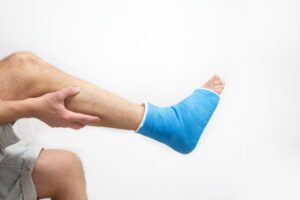
Understanding Fractures: Types of Damaged Bones
Bones are remarkably strong and resilient living tissues, but they have limits. When external force exceeds a bone’s structural capacity, a fracture occurs. Not all broken bones are alike; understanding the specific type of fracture helps physicians tailor an effective recovery plan.
Common Classification of Fractures
- Hairline (Stress) Fractures: Small, thin cracks in the bone often caused by repetitive stress or overuse, frequently seen in athletes and active individuals.
- Closed (Simple) Fractures: The bone is broken, but the skin remains intact, minimizing the immediate risk of external bacterial infection.
- Open (Compound) Fractures: The fractured bone breaks through the skin or a deep wound exposes the bone, requiring urgent medical intervention.
- Displaced Fractures: The bone snaps into two or more parts and moves so that the two ends are not lined up straight, often requiring realignment.
- Greenstick Fractures: Common in children, the bone bends and cracks rather than breaking completely through, much like a fresh green tree branch.
Why Location and Force Matter
The complexity of a bone broken depends heavily on the anatomical site and the velocity of the impact. High-impact injuries—such as those sustained in motor vehicle accidents common on busy Texas highways—frequently result in complex or comminuted fractures where the bone shatters into multiple pieces. Specialty Care Clinics provides integrated care across DFW, Houston, Midland, Odessa, and San Antonio to address these injuries swiftly.
Recognizing the Signs and Symptoms
Identifying whether a bone is broken requires attention to both immediate physical sensations and visible bodily changes. While severe pain is the most common indicator, other critical symptoms accompany damaged bones.
Key Physical Indicators
- Immediate, Sharp Pain: Typically localized directly over the injury site and often worsening with movement or pressure.
- Swelling and Bruising: Rapid inflammatory response leading to significant soft tissue swelling and discoloration around the affected area.
- Deformity or Misalignment: A visibly crooked limb, unusual bump, or abnormal angle that indicates a displaced fracture.
- Loss of Function: Inability to bear weight on a lower extremity or difficulty gripping objects with an upper extremity.
- Numbness or Tingling: Sensations that suggest nerve compression or vascular compromise near the fracture site.
When to Seek Emergency Care: If an open wound is present, if the bone pierces the skin, or if you experience loss of circulation, coldness, or blue discoloration in the fingers or toes, seek emergency medical services immediately.
Diagnostic Steps: Uncovering the Full Extent
Accurate diagnosis is the foundation of successful orthopedic recovery. When you visit a healthcare provider for a suspected broken bone, a systematic diagnostic protocol is initiated.
Step-by-Step Diagnostic Evaluation
- Clinical History and Physical Examination: The physician assesses the mechanism of injury, checks for tenderness, tests joint mobility, and evaluates neurological and vascular status.
- Standard X-Ray Imaging: The primary tool for visualizing bone architecture, capturing images from multiple angles to identify the exact location and pattern of the fracture.
- Advanced Imaging (CT or MRI): Utilized for complex joint fractures, hairline cracks, or suspected soft tissue, ligament, and tendon damage that standard X-rays might miss.
Treatment Options: From Immobilization to Advanced Care
Treating a broken bone focuses on putting the pieces back together, maintaining their proper position while natural healing occurs, and restoring full functionality.
| Treatment Approach | Best Suited For | Description & Recovery Timeline |
| Casting & Splinting | Stable, non-displaced fractures | Rigid fiberglass or plaster encasing limits movement; typically worn for 6 to 8 weeks. |
| Closed Reduction | Displaced fractures without surgery | Physician manually manipulates the bone back into alignment under local anesthesia before casting. |
| Surgical Fixation | Complex, open, or unstable fractures | Use of metal plates, screws, rods, or pins (internal/external fixation) to stabilize bone fragments. |
| Regenerative Therapies | Delayed unions or complex healing | Advanced orthopedic interventions designed to stimulate bone growth and cellular repair. |
Urgent Care vs. ER vs. Specialized Clinics
Choosing the right facility for a bone injury saves time and ensures appropriate specialized intervention.
- Emergency Room (ER): Essential for life-threatening trauma, severe open fractures, uncontrolled bleeding, or head injuries.
- Urgent Care: Suitable for stable, closed fractures, minor sprains, and initial stabilization when immediate ER services are not required.
- Specialized Care Clinics: Ideal for comprehensive ongoing treatment, orthopedic consultations, fracture follow-ups, physical therapy, and injury rehabilitation. Specialty Care Clinics bridges the gap by offering multi-specialty expertise across Texas.
Rehabilitation and Patient Recovery
Healing a broken bone extends far beyond removing a cast. Once bone union is achieved, muscles often experience atrophy, and joints can become stiff due to prolonged immobilization.
Key Elements of Post-Fracture Rehabilitation
- Physical Therapy Programs: Tailored exercises designed to restore range of motion, flexibility, and joint mechanics.
- Strength Training: Gradual reintroduction of resistance exercises to rebuild muscle mass supporting the healed bone.
- Pain and Inflammation Management: Utilization of specialized pain management techniques, modalities, and therapeutic guidance.
- Nutritional Support: Adequate intake of calcium, vitamin D, and protein to support ongoing skeletal health and tissue repair.
Patient Decision Checklist for Fracture Care
Use this step-by-step checklist to guide your immediate and long-term actions following a suspected bone injury:
- Assess Safety: Ensure you are out of harm’s way and immobilize the injured area gently.
- Evaluate Symptoms: Check for severe pain, visible deformity, swelling, or numbness.
- Determine the Right Setting: Choose urgent care or specialized clinics based on injury severity (visit the ER for life-threatening trauma or open wounds).
- Contact Specialty Care Clinics: Call (972) 865-4454 to consult with our medical team and schedule an appointment.
- Explore Insurance Options: Confirm coverage details including commercial insurance, Medicare, PIP, Letters of Protection (LOP), and Workers’ Comp liens.
- Commit to Rehabilitation: Follow your physician’s recovery plan and physical therapy regimen for optimal healing.
Conclusion
Recovering from broken bones requires a collaborative approach combining expert diagnostics, precise orthopedic treatment, and structured rehabilitation. At Specialty Care Clinics, our dedicated team provides comprehensive multidisciplinary care across Texas—including Dallas-Fort Worth, Houston, Midland, Odessa, and San Antonio. We proudly accept major commercial insurance plans, Medicare, PIP, Letters of Protection (LOP), and Workers’ Comp liens to ensure seamless access to care.
Don’t let a bone injury slow you down. Take the first step toward full recovery today by scheduling your appointment online or calling Specialty Care Clinics directly at (972) 865-4454.
Frequently Asked Questions (FAQs)
1. How do I know if I have a broken bone or just a bad sprain?
While both injuries cause pain and swelling, a broken bone typically presents with acute localized tenderness, visible deformity, severe bruising, and an inability to bear weight or move the limb. Because symptoms often overlap, an accurate diagnosis requires professional physical examination and diagnostic imaging, such as digital X-rays, available at Specialty Care Clinics.
2. How long does it take for a broken bone to heal completely?
Most uncomplicated closed fractures require 6 to 8 weeks of immobilization in a cast or splint for the bone fragments to unite. However, full recovery—including restoring muscle strength, joint flexibility, and complete load-bearing capacity through targeted physical therapy—can take several months depending on your age, overall health, and the specific bone involved.
3. When should I go to the Emergency Room vs. a specialized clinic for a fracture?
You should go directly to the ER for open fractures (where bone pierces the skin), severe high-impact trauma, uncontrolled bleeding, or loss of sensation and circulation in your fingers or toes. For stable, closed fractures, initial stabilization, ongoing orthopedic care, and physical rehabilitation, visiting Specialty Care Clinics across Texas provides specialized treatment with significantly reduced wait times.
4. What payment avenues and insurance plans does Specialty Care Clinics accept for fracture care?
Specialty Care Clinics accepts most major commercial health insurance plans, Medicare, Personal Injury Protection (PIP) for motor vehicle accidents, Letters of Protection (LOP) for personal injury claims, and Workers’ Compensation liens for job-site injuries across all our Texas locations. Call (972) 865-4454 to verify your specific coverage details.
5. Why is physical therapy necessary after a cast is removed from a broken bone?
Prolonged immobilization in a cast or brace causes natural muscle atrophy, joint stiffness, and reduced blood circulation surrounding the healed bone. A structured physical therapy program restores functional range of motion, rebuilds supporting muscle strength, and retrains joint mechanics to prevent long-term complications and re-injury.