
Comprehensive Podiatry Care: Restoring Step-by-Step Comfort for the Whole Family
Every step you take exerts force equal to twice your body weight across the complex network of bones, tendons, and ligaments in your feet. When sharp heel soreness, nagging arch aches, or toe stiffness creep in, simple daily tasks like walking the dog or standing at work become exhausting. Seeking professional podiatry care addresses these underlying mechanical issues before temporary discomfort transforms into chronic joint problems.
Foot health impacts your entire musculoskeletal frame. A slight limp caused by a painful callus or sore heel can quickly misalign your knees, hips, and lower back. Finding a trusted clinic for foot pain podiatry provides targeted relief tailored to your daily activity level.
At Specialty Care Clinics, our experienced team delivers comprehensive foot and ankle care for patients of all ages. Whether you need specialized care for your child or are searching for top-rated podiatry near me, our physicians combine conservative therapies with advanced clinical solutions.
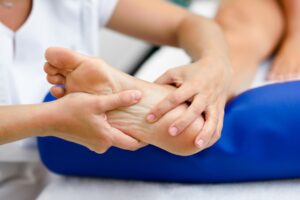
Understanding the Scope of Modern Podiatry
A podiatrist is a specialized physician trained to diagnose, manage, and surgically treat disorders of the foot, ankle, and lower leg structures.
┌──► Mechanical Disorders (Plantar Fasciitis, Flat Feet, Heel Spurs)
│
Podiatric Care ────┼──► Skin & Nail Conditions (Ingrown Nails, Fungal Infections, Calluses)
Spectrum │
├──► Metabolic & Vascular (Diabetic Foot Ulcers, Neuropathy Checks)
│
└──► Pediatric Foot Health (In-Toeing, Flat Feet, Sever’s Disease)
From custom orthotic fabrication to minimally invasive procedures, podiatric specialists focus on preserving natural movement patterns and protecting lower limb longevity.
Common Foot Conditions and Advanced Treatment Options
Understanding what causes heel pain and structural foot discomfort helps you seek the right treatment early.
1. Plantar Fasciitis and Heel Pain
Sharp, stabbing pain during your very first morning steps is a classic sign of plantar fasciitis. Targeted heel pain treatment includes custom arch supports, night splints, corticosteroid injections, and focused stretching protocols to soothe inflamed plantar tissue.
2. Ingrown Toenails and Nail Infections
Improper trimming or tight footwear can force nail edges directly into surrounding skin folds. Professional ingrown toenail treatment safely removes the offending nail border under local anesthesia, offering instant relief and preventing recurring soft tissue infections.
3. Diabetic Foot Care and Peripheral Neuropathy
Diabetes can reduce lower limb blood flow and dull protective nerve sensations. Routine diabetic foot care involves nerve conduction screenings, callus trimming, and ulcer prevention to guard against severe vascular complications.
Nurturing Growing Feet: The Value of Pediatric Podiatry
Children rarely report foot pain directly; instead, they might withdraw from sports, frequently ask to be carried, or trip repeatedly while running. Specialized pediatric podiatry addresses unique growth plate conditions and developmental alignment concerns early in childhood.
- In-Toeing and Out-Toeing: “Pigeon-toed” walking patterns often stem from subtle rotational shifts in the foot, tibia, or femur that benefit from gait retraining or corrective orthotics.
- Sever’s Disease (Heel Growth Plate Inflammation): Active kids aged 8 to 14 often experience heel soreness caused by repetitive running and jumping pulling on the Achilles tendon attachment.
- Pediatric Flat Feet: While flexible flat feet are normal in toddlers, persistent arch collapse accompanied by fatigue requires custom support to prevent long-term ankle strain.
Comparing At-Home Foot Remedies vs. Specialized Podiatric Care
Knowing when to transition from basic home remedies to medical podiatry saves time and prevents injury progression.
| Care Level | Common Methods Used | Primary Objectives | Ideal Clinical Application |
| At-Home Care | Ice packs, OTC gel inserts, rest | Temporary pain masking | Mild muscle soreness from new shoes |
| Retail Shoe Inserts | Generic arch pads, foam cups | Basic cushioning | Mild, non-specific foot fatigue |
| Specialist Podiatry | Custom prescription orthotics, minor surgery, laser therapy | Structural realigning & root cause healing | Plantar fasciitis, nerve compression, chronic pain |
Coordinated Medical Care at Specialty Care Clinics
Foot pain rarely exists in isolation. At Specialty Care Clinics, our podiatrists collaborate closely across specialties to deliver seamless, holistic care.
When foot numbness or burning sensations point to nerve compression in the lumbar spine, our neurology team conducts diagnostic nerve conduction velocity tests. If foot strain alters your walking posture and triggers joint stiffness higher up, our orthopedic specialists step in to realign your biomechanics. For patients recovering from severe lower extremity trauma, our pain management physicians provide targeted therapies to keep rehabilitation comfortable.
Practical Action Plan for Everyday Foot Health
Incorporate these clinical best practices into your daily routine to protect your feet:
- Inspect Your Feet Daily: Check the soles and between your toes for cuts, blisters, red spots, or nail discoloration.
- Trim Toenails Straight Across: Avoid rounding nail corners deeply into side borders, which frequently causes painful ingrown nails.
- Choose Supportive Footwear: Select shoes with rigid heel counters, good torsional stiffness, and adequate toe box space.
- Rotate Your Athletic Shoes: Allow running and workout shoes 24 hours to air out and regain mid-sole cushioning between uses.
Frequently Asked Questions
1. When should I see a podiatrist instead of a primary care doctor for foot pain?
You should consult a podiatrist directly if you experience persistent pain lasting over a week, notice visible foot deformities, develop skin ulcers, or suffer from diabetes with new lower limb numbness.
2. Are custom prescription orthotics better than store-bought shoe inserts?
Yes. Over-the-counter inserts only provide generic cushioning. Custom prescription orthotics are molded to your exact foot architecture to correct specific biomechanical imbalances and redistribute pressure precisely.
3. What causes severe heel pain first thing in the morning?
Morning heel pain is most commonly caused by plantar fasciitis. While you sleep, the plantar fascia ligament tightens; taking your initial steps tears these micro-fibers, sending sharp pain signals through your heel.
4. Can pediatric flat feet fix themselves as a child grows?
Many young children naturally outgrow flexible flat feet as their arches develop around ages 6 to 8. However, if flat feet cause leg fatigue, limping, or pain during sports, a pediatric evaluation is recommended.
5. How does diabetes affect my feet, and why is podiatry care necessary?
Diabetes can damage peripheral nerves and reduce arterial circulation in your lower limbs. This means minor cuts or blisters may go unnoticed and struggle to heal, making regular podiatric checkups vital for preventing serious infections.
Step Forward Into Pain-Free Living
Persistent foot discomfort, arch fatigue, or toe inflammation should never dictate how active you can be. Getting an accurate diagnostic evaluation from a skilled podiatric specialist gives you a clear path back to comfortable, confident movement.
At Specialty Care Clinics, our compassionate podiatry team provides personalized diagnostic plans for adults and children alike. From non-invasive custom orthotics to advanced minor surgical care, we are dedicated to keeping your family on its feet.
Don’t let foot pain slow you down. Call Specialty Care Clinics today or visit our website to schedule your podiatry consultation.