
Recover Faster: Your Complete Guide to Sports Injury Rehabilitation
That sharp pop in your knee during a weekend soccer game or the persistent ache in your elbow after serving a tennis ball can instantly derail your training. Experiencing a sudden sports injury is frustrating, but rushing back into action without proper medical care often leads to repeated joint strain or chronic pain.
Navigating the road back to peak physical performance requires more than just resting on the couch with an ice pack. Specialized sports injury clinics provide the diagnostic tools, physical therapy, and targeted care needed to heal damaged tissues properly.
At Specialty Care Clinics, we design personalized sports injury rehabilitation plans focused on strengthening vulnerable joints, rebuilding flexibility, and preventing future injuries. Whether you are dealing with acute trauma or a lingering overuse strain, expert guidance gets you back in the game safely.
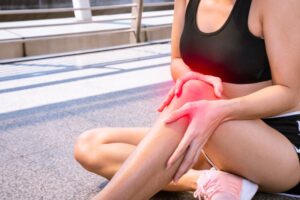
Understanding Common Sports Injuries and Their Triggers
Athletic injuries generally fall into two distinct categories: acute trauma caused by sudden force, and chronic overuse conditions built up over time through repetitive motion.
┌──► Acute Trauma (Sudden Impact / Twist) ──► Fractures, Meniscus Tears, Sprains
Sports Injuries ──┤
└──► Overuse Strain (Repetitive Motion) ────► Tendonitis, Runner’s Knee, Tennis Elbow
Identifying the underlying cause of your discomfort helps determine whether you need rest, physical therapy, or advanced orthopedic intervention.
1. Runner’s Knee and Overuse Syndromes
Dull, aching pain around or under the kneecap often points to patellofemoral pain syndrome. Effective runner’s knee treatment focuses on strengthening surrounding quadriceps and gluteal muscles to improve patellar tracking and reduce joint friction.
2. Tennis Elbow and Tendon Inflammation
Repetitive wrist extension during tennis, golf, or weightlifting can cause micro-tears in forearm tendons. Comprehensive tennis elbow treatment calms localized tendon inflammation through eccentric wrist exercises, brace support, and targeted physical therapy.
3. Hamstring Strains and Muscle Pulls
Sudden sprinting or quick changes of direction can overstretch leg muscle fibers. Targeted hamstring injury treatment restores muscle elasticity, prevents scar tissue buildup, and rebuilds explosive power.
4. Meniscus Tears and Ligament Damage
Violent twisting while the foot is planted firmly on the ground often results in cartilage damage. Seeking specialized meniscus tear treatment ensures proper joint stability and prevents premature joint degeneration.
The Role of Targeted Sports Injury Rehabilitation
Rest alone rarely corrects the biomechanical imbalances that cause athletic injuries. Physical recovery requires structured, multi-phase rehabilitation designed by experienced sports medicine professionals.
[Diagnostic Imaging & Assessment] ➔ [Inflammation & Pain Control]
│
▼
[Return-to-Sport Clearance] ◄── [Functional Strength & Agility] ◄── [Targeted Physical Therapy]
- Initial Pain Management: Utilizing targeted ice, ultrasound, and anti-inflammatory therapies to reduce acute swelling and joint stiffness.
- Restoring Range of Motion: Gentle manual therapy and mobility exercises prevent joint capsule tightening during early healing phases.
- Progressive Strengthening: Rebuilding stabilizer muscle strength around damaged joints using resistance bands, light weights, and core exercises.
- Neuromuscular Proprioception: Retraining balance and spatial awareness to help body joints react quickly during dynamic athletic movements.
Comparing Medical Approaches for Athletic Trauma
Knowing where to seek care ensures you receive appropriate treatment without unnecessary delays.
| Care Pathway | Primary Goal | Diagnostic Tools | Ideal For |
| At-Home Care (R.I.C.E.) | Temporary relief | None | Mild muscle soreness |
| General Urgent Care | Triage & temporary splinting | Basic X-rays | Initial emergency evaluation |
| Dedicated Sports Clinic | Full functional recovery | High-field MRI & Digital X-ray | Complex joint, tendon, & ligament care |
Integrative Care Across Specialties
Complete recovery often requires a team approach. At Specialty Care Clinics, our sports medicine experts work directly alongside our orthopedic surgeons for cases requiring surgical repair.
If joint discomfort involves radiating nerve pain or back stiffness, cross-consultations with our neurology specialists ensure your entire nervous system stays protected. For chronic soft-tissue discomfort, our interventional pain management physicians offer targeted relief to keep your rehabilitation moving forward smoothly.
Preventative Action Plan for Athletes
Protect your joints and muscle groups from recurring injuries with these clinical tips:
- Prioritize Dynamic Warm-Ups: Never stretch cold muscles; perform 5 to 10 minutes of dynamic movements before intense activity.
- Implement Cross-Training: Mix low-impact activities like swimming or cycling into your routine to give high-impact joints time to rest.
- Listen to Early Warning Signals: Stop training if you feel sharp, localized joint pain rather than normal muscle fatigue.
- Maintain Proper Footwear: Replace running shoes every 300 to 500 miles to ensure adequate arch support and impact absorption.
Frequently Asked Questions
1. How long does sports injury rehabilitation typically take?
Recovery timelines depend on injury severity. Mild soft-tissue sprains may heal in 2 to 4 weeks, while complex ligament repairs or meniscus tears can require 3 to 6 months of dedicated rehabilitation.
2. Should I apply ice or heat to a new sports injury?
Apply ice during the first 48 hours following an injury to reduce swelling and numb acute pain. Switch to moist heat after swelling subsides to promote blood circulation and relax tight muscles.
3. Can I continue working out while recovering from an injury?
Yes, but you should avoid stressing the injured tissue. Focus on low-impact cardiovascular exercises or train uninjured muscle groups under the guidance of your physical therapist.
4. How do I know if my injury requires professional medical evaluation?
Seek immediate clinical care if you cannot bear weight on an injured limb, notice significant joint deformity, experience persistent joint numbness, or feel severe pain that does not improve after a few days of rest.
5. What is the main difference between a sprain and a strain?
A sprain is an injury to ligaments that connect bones together, whereas a strain affects muscle fibers or tendons that connect muscles to bones. Both require proper clinical evaluation and physical therapy to heal completely.
Get Back to the Activities You Love
Living with persistent joint stiffness, knee pain, or shoulder discomfort can steal the fun from sports and daily exercise. You do not have to let an athletic setback permanently alter your active lifestyle.
At Specialty Care Clinics, our multidisciplinary sports medicine team delivers compassionate, state-of-the-art rehabilitation plans tailored to your specific physical goals. From early diagnostic imaging to functional agility training, we support your recovery every step of the way.
Reclaim your mobility today. Call Specialty Care Clinics or visit our website to schedule your sports injury consultation.