
Rapid Relief for Sudden Injuries: Your Guide to Orthopedic Urgent Care
A sudden pop in your knee during a weekend soccer match, an awkward stumble on the stairs, or a wrist injury when a child falls off a playground slide can turn a routine afternoon into a high-stress medical search. In those painful moments, your first instinct might be to head straight to a crowded emergency room.
However, waiting hours in a general ER room surrounded by sick patients is rarely the fastest path to bone and joint relief. Choosing dedicated orthopedic urgent care connects you directly with specialized trauma experts who focus entirely on bones, joints, muscles, and ligaments.
At Specialty Care Clinics, our walk-in centers streamline your treatment from the second you step through the door. Whether you need immediate diagnostic X-rays or are searching for an orthopedic walk in clinic near me, an experienced orthopedic specialist is ready to evaluate your injury without delay.
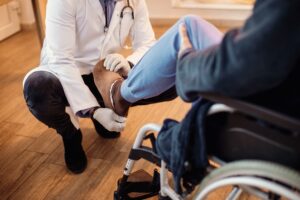
Why Choose Walk-In Orthopedic Care Over the General ER?
Emergency rooms perform life-saving triage for heart attacks and severe systemic trauma. When it comes to non-life-threatening sprains, strains, and closed fractures, general ER staff often stabilize the limb with a temporary splint and advise you to follow up with a specialist days later.
┌──► Hospital ER ────────► Long wait times ➔ General triage ➔ Temporary splint ➔ Delay
Accidental Injury ┤
└──► Orthopedic Urgent Care ─► Immediate walk-in ➔ On-site X-rays ➔ Direct specialist treatment
Visiting a specialized walk-in center bypasses that unnecessary middle step. You receive on-site digital imaging, precise splinting or casting, and direct access to an orthopedic physician during your initial visit.
Comparing Emergency Care Options
| Service / Capability | General Emergency Room | General Urgent Care | Specialized Orthopedic Urgent Care |
| Average Wait Time | 2 to 4+ Hours | 30 to 60 Minutes | Minimal Wait Time |
| Diagnostic Focus | Rule out life threats | Basic labs & basic X-rays | High-resolution digital bone/joint imaging |
| Attending Provider | Emergency Medicine Physician | Physician Assistant / GP | Board-Certified Orthopedic Specialist |
| Pediatric Support | General Emergency Staff | General Family Care | Pediatric Orthopedic Trauma Care |
| Treatment Continuity | Follow-up referral needed | Follow-up referral needed | In-house physical therapy & surgery |
Specialized Care Across Every Age and Activity Level
Musculoskeletal trauma presents uniquely depending on age, physical development, and activity levels. Our walk-in locations feature sub-specialized experts trained in specific anatomical areas and patient populations.
1. Pediatric Orthopedic Care for Growing Bones
Children are not simply miniature adults. Their growing skeletons feature soft areas of developing cartilage called growth plates. An improper diagnosis of a growth plate injury can alter how a bone develops over time.
Having access to specialized pediatric orthopedic evaluation ensures that young athletes receive gentle, child-focused care. From growth plate fractures to elbow dislocations, our team stabilizes young bones quickly and comfortably.
2. Sports Medicine and Joint Injuries
High-impact sports subject ligaments and tendons to immense torsional stress. When an athlete suffers an ACL tear, rotator cuff strain, or ankle sprain, consulting an experienced sports medicine orthopedic surgeon speeds up diagnosis and establishes a clear path toward safe return-to-play protocols.
3. Targeted Extremity Care
Extremity injuries require refined, delicate clinical skills to preserve joint mechanics and grip strength:
- Orthopedic Hand Specialist: Evaluates metacarpal fractures, finger dislocations, and acute flexor tendon injuries.
- Orthopedic Hip Specialist: Assesses sudden labral tears, trochanteric bursitis flare-ups, and painful hip pointer injuries resulting from direct force.
- Spine and Orthopedic Specialists: Evaluate acute back spasms, severe sciatica flare-ups, and whiplash trauma following vehicular collisions.
Common Conditions Treated at Our Walk-In Facilities
You do not need an advance appointment to receive high-level clinical evaluation. Our urgent care centers treat a wide spectrum of acute musculoskeletal issues:
- Closed Fractures: Clean bone breaks in the wrist, ankle, collarbone, arm, or lower leg where the skin remains intact.
- Severe Joint Sprains & Muscle Strains: Partial or complete ligament stretches causing rapid swelling, bruising, and inability to bear weight.
- Joint Dislocations: Shoulders, fingers, or kneecaps that have popped out of their anatomical sockets.
- Tendon Tears & Lacerations: Acute tears in the Achilles, biceps, or quadriceps tendons requiring immediate immobilization.
- Painful Gout or Bursitis Flare-Ups: Sudden, agonizing joint redness and swelling that develops overnight.
If an acute injury involves severe nerve compression or radiating numbness, our team coordinates internal cross-consultations with our neurology specialists to protect your nervous system.
Your Step-by-Step Action Plan After an Injury
When an unexpected injury occurs, taking structured steps keeps you calm and protects your long-term mobility:
- Apply Initial First Aid: Rest the injured limb immediately. Apply an ice pack wrapped in a cloth for 15 to 20 minutes to manage localized swelling.
- Elevate and Support: Keep the injured joint elevated above heart level if possible, and avoid forcing any weight on an unstable ankle, knee, or wrist.
- Visit a Walk-In Location: Head directly to our facility for immediate assessment. Bring your photo ID, health insurance cards, and a list of any regular medications.
- Follow Rehabilitation Plans: Complete all prescribed physical therapy regimens and follow-up visits with our orthopedic team to ensure your joint regains its full strength and flexibility.
If lingering soft-tissue discomfort persists during your recovery, consulting our interventional pain management specialists provides targeted relief options without heavy reliance on prescription medications.
Frequently Asked Questions
1. What is the difference between general urgent care and orthopedic urgent care?
General urgent care treats broad medical issues like colds, minor cuts, flu symptoms, and ear infections. Orthopedic walk-in clinics focus exclusively on bone, joint, muscle, and ligament injuries, featuring specialized diagnostic tools and orthopedic experts on-site.
2. Should I go to the ER or orthopedic urgent care for a broken bone?
If the broken bone pierces through the skin (an open fracture) or is accompanied by severe bleeding, go straight to the nearest emergency room. For all closed fractures where the skin is unbroken, specialized walk-in care provides faster, dedicated treatment.
3. Do I need an appointment or doctor’s referral to visit?
No appointments or referrals are required. You can walk in during our operating hours and receive immediate clinical evaluation, digital imaging, and treatment.
4. Can kids be evaluated at an orthopedic walk-in clinic?
Yes. Our facilities provide specialized pediatric care tailored specifically to children’s growing bones, growth plate injuries, and playground trauma.
5. What should I bring with me to my walk-in visit?
Bring a valid photo ID, your health insurance card, a list of current medications, and any details regarding how the injury occurred to help your specialist make an accurate diagnosis.
Don’t Let Injury Keep You Sidelined
A sudden bone or joint injury can feel overwhelming, but long ER wait times and delayed treatment do not have to be part of your recovery. Receiving fast, accurate, and specialized care during the first 24 hours makes a lasting difference in how well your body heals.
At Specialty Care Clinics, our multidisciplinary team of orthopedic surgeons, pediatric specialists, and physical therapists is dedicated to restoring your strength and getting you back to the activities you love.
Skip the crowded ER waiting room. Visit Specialty Care Clinics today or check our website to find your nearest orthopedic walk-in location.