
Sports Injury Rehabilitation: Building Strength and Getting Back to Activity
Staying active can support physical health, strength, and overall well-being, but sports and exercise can also place stress on muscles, joints, ligaments, and bones. Sudden movements, repetitive activity, poor technique, falls, and collisions may sometimes result in injuries that interfere with an athlete’s ability to train or participate in everyday activities.
A sports injury can range from a mild muscle strain to a more significant ligament, tendon, or bone injury. Even when pain begins to improve, returning to sports too quickly may place additional stress on an area that has not fully recovered.
Sports injury rehabilitation focuses on helping the injured area recover while gradually restoring movement, strength, flexibility, balance, and function. Depending on the injury, rehabilitation may include physical therapy, therapeutic exercises, stretching, movement training, and gradual return-to-activity programs. Sports injury physical therapy can also help patients understand how to move safely during recovery. A healthcare professional can evaluate the injury, identify movement limitations, and develop a rehabilitation approach based on the patient’s condition and activity goals.
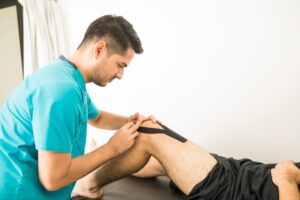
What Is Sports Injury Rehabilitation?
Sports injury rehabilitation is a structured process designed to help an individual recover from an injury and regain normal physical function. It may be recommended after injuries involving the muscles, tendons, ligaments, joints, or bones.
The goals of rehabilitation vary depending on the type and severity of the injury. In many cases, treatment focuses on reducing symptoms first and then gradually restoring movement and strength.
A rehabilitation program may address:
- Pain and swelling
- Reduced range of motion
- Muscle weakness
- Balance and coordination
- Joint stability
- Flexibility
- Movement patterns
- Sport-specific physical demands
The rehabilitation process is usually adjusted as the patient’s condition changes. Exercises that are appropriate early in recovery may be different from those used when preparing to return to sports.
Common Sports Injuries That May Require Rehabilitation
Different types of injuries can affect athletes and active individuals. The appropriate rehabilitation approach depends on the body part involved and the structures that have been affected.
1. Muscle Strains
A muscle strain occurs when a muscle or tendon is overstretched or damaged. Strains commonly affect areas such as the hamstrings, calves, groin, and lower back.
Symptoms may include pain, tenderness, swelling, and difficulty using the affected muscle. Rehabilitation can help gradually restore flexibility and strength while avoiding excessive stress during the healing process.
2. Sprains
Sprains involve injury to a ligament, which connects bones around a joint. Ankle, knee, and wrist sprains are common among athletes.
Depending on the severity, patients may experience swelling, bruising, pain, or difficulty placing weight on the affected area. Rehabilitation may focus on restoring joint movement, strength, balance, and stability.
3. Knee Injuries
The knee is exposed to considerable stress during running, jumping, cutting, and other athletic movements. Sports-related knee injuries may involve ligaments, tendons, cartilage, or muscles surrounding the joint.
Some injuries may require more extensive medical treatment, while others can be managed with conservative care and rehabilitation. A proper evaluation can help determine the appropriate approach.
4. Shoulder Injuries
Throwing, swimming, weightlifting, and contact sports can place repeated stress on the shoulder. Rotator cuff irritation, muscle strains, and other shoulder problems may cause pain or limited movement.
Rehabilitation may include exercises designed to improve shoulder mobility and strengthen the muscles that support the joint.
5. Ankle Injuries
Ankle injuries are common in sports that involve running, jumping, or rapid changes in direction. An ankle sprain may affect ligaments and cause pain, swelling, and instability.
Rehabilitation can help restore range of motion and improve strength and balance before an individual returns to demanding activity.
6. Overuse Injuries
Not all sports injuries occur suddenly. Repetitive movements and inadequate recovery can contribute to overuse injuries.
Conditions involving tendons, muscles, or joints may gradually produce pain that becomes more noticeable during training. Identifying the source of the problem and modifying activity may be important parts of recovery.
Why Is Sports Injury Rehabilitation Important?
Returning to sports involves more than simply waiting for pain to disappear. An injured area may remain weak or less flexible even after symptoms improve.
Rehabilitation can help address these underlying limitations and prepare the body for the demands of physical activity.
Restoring Strength
Injuries and periods of reduced activity can cause muscles to become weaker. Rehabilitation exercises can gradually challenge the affected muscles and help restore strength.
Strength training may begin with simple movements and progress as the patient’s tolerance improves.
Improving Flexibility and Mobility
Stiffness can develop after an injury or during periods of reduced movement. Stretching and mobility exercises may help restore the range of motion needed for everyday activities and sports.
The specific exercises depend on the injury and should be appropriate for the stage of recovery.
Improving Balance and Stability
Balance and coordination are particularly important after injuries involving the ankle, knee, or other weight-bearing joints. Rehabilitation may include balance exercises that help the body respond to changes in position and movement.
Preparing for Sports-Specific Movements
Every sport places different demands on the body. Running, jumping, throwing, pivoting, and sudden changes in direction may require different levels of strength and coordination.
Later stages of rehabilitation may incorporate movements that resemble the patient’s normal athletic activities. This can help prepare the body for a gradual return to sports.
Reducing the Risk of Reinjury
Returning to intense activity before adequate recovery may increase stress on an injured area. A structured rehabilitation program can help identify remaining weaknesses or movement limitations that may need attention before full activity resumes.
Rehabilitation cannot guarantee that an injury will not happen again, but appropriate recovery and conditioning can support safer participation.
What Happens During Sports Injury Physical Therapy?
Sports injury physical therapy is typically tailored to the patient’s injury, symptoms, physical abilities, and recovery goals.
The process may begin with an evaluation and then progress through different stages as the individual improves.
Initial Evaluation
A physical therapist or healthcare provider may review the injury and ask questions about when it occurred, how it happened, and which activities cause discomfort.
The evaluation may also include assessment of:
- Range of motion
- Muscle strength
- Joint stability
- Balance
- Flexibility
- Movement patterns
- Pain levels
This information can help determine which areas require attention during rehabilitation.
Therapeutic Exercises
Exercises are often an important part of rehabilitation. The initial exercises may be gentle and focused on maintaining movement or activating muscles around the injured area.
As recovery progresses, exercises may become more challenging and may include resistance training, balance exercises, strengthening movements, and functional activities.
Manual Therapy
In some cases, a physical therapist may use hands-on techniques to address stiffness or restricted movement.
Manual therapy may be combined with exercises rather than used as the sole treatment. The specific techniques depend on the patient’s condition and treatment goals.
Movement and Technique Training
Some sports injuries are associated with movement patterns that place excessive stress on certain tissues. Rehabilitation may therefore include instruction on movement technique, body mechanics, or proper exercise form.
Learning appropriate movement patterns can be particularly useful when returning to activities that involve repeated jumping, running, lifting, or changes in direction.
Gradual Progression
Rehabilitation usually progresses gradually rather than moving directly from rest to full athletic activity.
The intensity and complexity of exercises may increase as strength, mobility, and tolerance improve. A healthcare professional can help determine when it is appropriate to advance to the next stage.
Stages of Sports Injury Rehabilitation
The rehabilitation process varies between individuals, but recovery can generally involve several stages.
Early Recovery
The initial stage focuses on protecting the injured area and managing symptoms. Depending on the injury, treatment may involve relative rest, activity modification, gentle movement, and other appropriate measures. The goal is to avoid unnecessary stress while allowing recovery to begin.
Restoring Movement
Once symptoms begin to improve, rehabilitation may focus more heavily on restoring normal range of motion and flexibility. Gentle exercises can help prevent excessive stiffness and prepare the affected area for strengthening.
Building Strength
Strengthening exercises can help rebuild muscle capacity and improve support around an injured joint or body region.Resistance may be gradually increased based on the patient’s progress and tolerance.
Functional Training
As strength and movement improve, exercises may become more similar to the activities the patient wants to resume. For an athlete, this may include controlled running, jumping, balance drills, directional changes, or other sport-specific movements.
Return to Activity
The final stage involves gradually returning to normal training or competition. The timing depends on the injury, treatment response, physical demands of the activity, and recommendations from the healthcare team.
A gradual return is generally preferable to immediately returning to the same intensity as before the injury.
Exercises Commonly Used in Sports Injury Rehabilitation
The exercises used during rehabilitation depend on the injured body part and the individual’s physical condition. Common categories may include:
Range-of-Motion Exercises
These exercises are designed to help restore movement around an affected joint. They may be especially useful when stiffness develops after an injury or a period of reduced activity.
Strengthening Exercises
Strengthening exercises help rebuild muscle capacity and improve support around joints. Resistance bands, bodyweight exercises, weights, or other equipment may be used depending on the patient’s needs.
Balance Exercises
Balance training can be useful after injuries involving the ankle, knee, or other areas that affect stability. Exercises may challenge the body to maintain control while standing or moving.
Core Exercises
The muscles around the abdomen, pelvis, and lower back contribute to overall movement and stability. Appropriate core exercises may be incorporated into rehabilitation when relevant to the injury.
Sport-Specific Exercises
Later-stage rehabilitation may include movements that resemble the patient’s sport or activity. These exercises can help bridge the gap between clinical rehabilitation and full participation.
Patients should avoid copying rehabilitation exercises from another athlete without professional guidance. An exercise that is appropriate for one injury may be unsuitable for another.
How Long Does Sports Injury Rehabilitation Take?
Recovery time varies significantly depending on the injury and the individual. A minor strain may improve relatively quickly, while ligament injuries, fractures, tendon problems, or surgical recoveries may require a much longer rehabilitation period.
Factors that can influence recovery include:
- Type and severity of the injury
- Location of the injury
- Overall physical condition
- Previous injuries
- Treatment approach
- Consistency with rehabilitation
- Physical demands of the sport
- Presence of complications
Pain improvement does not always mean that the injured tissue has fully recovered. Strength, flexibility, balance, and functional ability may also need to be restored before returning to unrestricted activity.
A healthcare professional can provide a more individualized recovery timeline after evaluating the injury.
When Should You Seek Professional Care for a Sports Injury?
Some minor injuries may improve with appropriate rest and activity modification. However, persistent or severe symptoms should be evaluated by a healthcare professional.
Consider seeking medical care if you experience:
- Severe or increasing pain
- Significant swelling or bruising
- Difficulty putting weight on an injured leg
- Limited joint movement
- Persistent pain that does not improve
- Repeated instability or weakness
- Numbness or tingling
- A visible deformity
- Symptoms following a significant collision or fall
Immediate medical evaluation may be necessary when an injury causes severe pain, obvious deformity, loss of sensation, inability to use the affected limb, or other concerning symptoms.
Early assessment can help determine the nature of the injury and whether rehabilitation, imaging, medication, immobilization, or another form of treatment may be appropriate.
How to Support a Safe Return to Sports
Returning to sports should be based on recovery rather than simply the number of days since the injury.
Follow Your Rehabilitation Plan
Completing recommended exercises consistently can help support strength and mobility. Patients should follow the progression provided by their healthcare professional rather than advancing exercises too quickly.
Increase Activity Gradually
A sudden return to full-intensity training can place considerable stress on an area that has recently recovered.
Gradually increasing duration, intensity, and sport-specific activity allows the body to adapt to increasing demands.
Pay Attention to Symptoms
Mild muscle fatigue may occur during rehabilitation, but significant or worsening pain should not be ignored.
New swelling, instability, weakness, or other symptoms may indicate that the activity level needs to be adjusted.
Warm Up Before Exercise
A proper warm-up can prepare the muscles and joints for physical activity. Dynamic movements and activity-specific preparation may be incorporated before training or competition.
Allow Adequate Recovery
Rest and recovery are important components of athletic training. Scheduling appropriate recovery periods between demanding workouts can help manage physical stress and fatigue.
Use Proper Technique
Proper technique can help reduce unnecessary stress on muscles and joints. Athletes may benefit from professional guidance when returning to movements that previously caused discomfort or contributed to an injury.
FAQs
1. What is the purpose of sports injury rehabilitation?
Sports injury rehabilitation is designed to help restore movement, strength, flexibility, balance, and function after an injury. It may also prepare an athlete for a gradual return to physical activity. The specific rehabilitation plan depends on the type of injury and the patient’s recovery needs.
2. What is sports injury physical therapy?
Sports injury physical therapy uses therapeutic exercises, movement training, and other physical therapy techniques to support recovery from athletic injuries. Treatment is generally tailored to the injured body part, symptoms, physical abilities, and activity goals.
3. How soon should physical therapy start after a sports injury?
The appropriate timing depends on the type and severity of the injury. Some rehabilitation exercises may begin relatively early, while more significant injuries may require an initial period of protection or medical treatment. A healthcare professional can determine when physical therapy is appropriate.
4. Can physical therapy help prevent sports injuries?
Physical therapy may help identify and address certain weaknesses, mobility limitations, balance problems, or movement patterns that could contribute to injury. Strengthening and conditioning programs can also help athletes prepare for the physical demands of their sport. However, no rehabilitation or exercise program can completely eliminate the risk of injury.
5. How do I know when I am ready to return to sports?
Returning to sports depends on more than whether pain has improved. An athlete may need adequate strength, flexibility, balance, joint stability, and functional ability for the demands of the sport. A healthcare professional can evaluate these factors and help determine whether a gradual return is appropriate.
Conclusion
Sports injury rehabilitation can play an important role in helping athletes and active individuals recover after an injury. While pain may improve with rest, the injured area may still have limitations in strength, flexibility, balance, or movement.
Sports injury physical therapy can address these limitations through individualized exercises, mobility work, strengthening, movement training, and gradual progression toward normal activities. The specific approach depends on the injury, the patient’s recovery, and the physical demands of their sport.
Recognizing persistent symptoms and seeking professional evaluation can help patients understand the nature of their injury and determine whether rehabilitation is appropriate. With a structured recovery plan and gradual return to activity, patients can work toward restoring function and resuming the activities they enjoy.
Visit Us
Visit us https://specialtycareclinics.com/services/injury-management/ If you have experienced a sports injury that is affecting your movement, strength, or ability to participate in physical activities, professional evaluation can help determine the appropriate next steps. Our healthcare team can assess your symptoms and help develop a treatment approach based on your injury and recovery needs.
Whether you are recovering from a sprain, strain, joint injury, or another sports-related condition, appropriate care and rehabilitation can support your progress toward returning to normal activities.
Contact us at (972) 865-4454 today to schedule an appointment or learn more about our available services. Our team is here to support you throughout your recovery.