
Primary Care Telehealth Visit: What to Expect From a Primary Care Physician
Getting medical care does not always require sitting in a waiting room. For many routine health concerns, a primary care telehealth visit can provide a convenient way to speak with a healthcare professional from home, work, or another private location.
Telehealth can be useful for discussing symptoms, reviewing medications, following up after treatment, managing certain chronic conditions, and talking about preventive health. However, not every medical concern can be handled virtually. Some problems require an in-person physical examination, testing, imaging, or urgent treatment.
A primary care physician can help determine whether your concern is suitable for a virtual appointment or whether you should be seen in person. The goal is to make healthcare more accessible while still providing appropriate medical evaluation and follow-up.
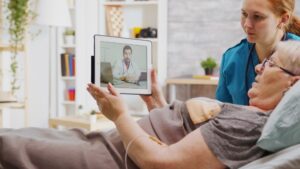
What Is a Primary Care Telehealth Visit?
A primary care telehealth visit is a medical appointment conducted remotely using video, telephone, or another secure communication method.
Instead of traveling to the clinic, you connect with your healthcare provider virtually. During the appointment, your provider can discuss your symptoms, review your medical history, talk about medications, answer questions, and determine whether additional care is needed.
According to the Centers for Medicare & Medicaid Services, telehealth can include services provided through interactive telecommunications systems, including certain audio and video communication methods. A virtual appointment does not replace every type of medical care, but it can be a practical option for many routine primary care needs.
What Can a Primary Care Physician Treat Through Telehealth?
The conditions appropriate for telehealth depend on your symptoms, medical history, the provider, and the technology available. A primary care physician may be able to address concerns such as:
- Cold and flu symptoms
- Mild respiratory infections
- Allergies
- Certain skin concerns
- Medication questions
- Follow-up appointments
- Chronic condition management
- Lifestyle and preventive health discussions
- Review of certain test results
- Mental and behavioral health concerns when appropriate
- General health questions
For example, if you have already been diagnosed with a condition and need a routine follow-up, a virtual visit may allow your provider to check how you are doing without requiring another trip to the clinic.
However, symptoms such as severe chest pain, significant breathing difficulty, major injuries, or other potentially serious conditions may require immediate in-person or emergency care.
Benefits of a Primary Care Telehealth Visit
Telehealth has become an increasingly convenient part of modern healthcare. One of its biggest advantages is that it can reduce some of the barriers associated with traditional appointments.
1. Convenient Access to Care
A virtual appointment can eliminate the need to drive to a medical office for certain types of visits. This can be particularly useful for people with busy schedules, transportation challenges, or difficulty taking time away from work.
2. Easier Follow-Up Appointments
Some follow-up appointments are mainly focused on discussing symptoms, reviewing progress, or adjusting a treatment plan. When an in-person examination is not necessary, telehealth may make these conversations easier.
3. Medication Management
A provider may use telehealth to discuss how you are responding to a medication, review possible side effects, or determine whether an in-person appointment or additional testing is needed.
Medication decisions should always be made with a qualified healthcare professional rather than through self-treatment.
4. Access From Home
For certain illnesses, staying home can be more comfortable and convenient. A virtual appointment may allow you to speak with your healthcare provider without traveling while you are feeling unwell.
How Does a Primary Care Telehealth Visit Work?
If you have never used telehealth before, the process may seem unfamiliar. In practice, it is often straightforward.
Step 1: Schedule the Appointment
You first schedule your virtual appointment through the clinic’s available booking system or by contacting the office. Make sure you know whether your appointment will be conducted by video or telephone.
Step 2: Prepare Your Information
Before the appointment, gather information your provider may need, such as:
- Current medications
- Allergies
- Recent test results
- Medical history
- List of symptoms
- Recent blood pressure or temperature readings, if available
- Questions you want to ask
Writing down your symptoms and when they started can help you give your provider a clearer picture.
Step 3: Connect With Your Provider
At the scheduled time, you connect using the instructions provided by the clinic. Choose a quiet, private location where you can comfortably discuss your health.
Step 4: Discuss Your Health Concern
Your primary care physician may ask questions about your symptoms, medical history, medications, lifestyle, and other relevant factors.
During a video visit, your provider may also ask you to show certain visible symptoms, such as a rash, when appropriate.
Step 5: Follow the Recommended Plan
At the end of the appointment, your provider may recommend home care, medication, additional testing, an in-person examination, or follow-up care depending on your situation.
How to Prepare for Your Telehealth Appointment
A few minutes of preparation can make a virtual appointment more productive. Before your appointment:
- Check your internet connection.
- Charge your phone, tablet, or computer.
- Test your camera and microphone if using video.
- Find a quiet and private location.
- Keep your medications nearby.
- Have your questions written down.
- Have recent health readings available if your provider has asked you to monitor them.
- Make sure you know how to contact the clinic if you have technical problems.
If your appointment involves discussing several symptoms or concerns, consider making a short timeline before the visit. This can help your provider understand what changed and when.
When Is an In-Person Appointment Better?
Telehealth is useful, but it has limitations.Some medical concerns require your provider to physically examine you or perform testing that cannot be done remotely.
An in-person visit may be more appropriate when you need:
- A physical examination
- Blood tests
- Imaging
- Vaccinations
- Certain procedures
- Wound care
- Evaluation of an injury
- Monitoring that requires medical equipment
- Testing that cannot be performed at home
Your healthcare provider may also start with a telehealth appointment and then recommend an in-person visit if more information is needed.
This is one reason choosing a primary care physician who offers both virtual and in-person care can be helpful.
Telehealth for Chronic Condition Management
People managing ongoing health conditions may benefit from regular virtual follow-up when appropriate. A primary care physician can use telehealth appointments to discuss symptoms, review home health measurements, talk about medications, and monitor progress.
For example, someone monitoring blood pressure at home may be able to share recent readings with their provider during a virtual appointment. The provider can then discuss trends and determine whether additional evaluation is necessary. Telehealth can complement, rather than replace, appropriate in-person care.
Telehealth and Preventive Primary Care
Primary care is not only about treating illness. Preventive healthcare is also an important part of maintaining long-term health. During an appropriate virtual appointment, your provider may discuss:
- Healthy eating
- Physical activity
- Sleep habits
- Weight management
- Smoking cessation
- Stress management
- Preventive screenings
- Vaccination needs
- Family medical history
Some preventive services still require an in-person appointment, testing, or examination. Your provider can help you understand what needs to happen in person.
Questions to Ask Your Primary Care Physician
A telehealth appointment is also an opportunity to ask questions about your health. You might ask:
- What could be causing my symptoms?
- Do I need an in-person examination?
- Do I need any tests?
- Are there lifestyle changes that could help?
- How should I take my medications?
- What symptoms should I watch for?
- When should I schedule a follow-up appointment?
Do not hesitate to mention symptoms that may seem unrelated. Your provider can determine whether they are relevant to your overall health.
Choosing a Primary Care Physician for Telehealth
If you are looking for a provider who offers virtual appointments, consider more than convenience. Look for a primary care physician who:
- Takes time to listen to your concerns
- Explains treatment options clearly
- Offers appropriate follow-up
- Can coordinate in-person care when needed
- Reviews your medical history
- Provides preventive healthcare
- Uses secure telehealth technology
- Makes it easy to communicate with the medical office
The best virtual appointment is not simply the fastest one. It should give you an opportunity to understand your health concerns and know what to do next.
When Should You Seek Emergency Care?
Telehealth should not delay emergency treatment. Seek immediate emergency medical attention for symptoms such as:
- Severe chest pain or pressure
- Significant difficulty breathing
- Severe bleeding
- Loss of consciousness
- Sudden weakness or numbness
- Signs of a stroke
- Severe allergic reactions
- Major trauma
- Other symptoms that may indicate a life-threatening emergency
If you believe you are experiencing a medical emergency, call 911 or your local emergency number rather than waiting for a virtual appointment.
Frequently Asked Questions (FAQs)
1. What is a primary care telehealth visit?
A primary care telehealth visit is a remote medical appointment with a healthcare provider using video, telephone, or another approved communication method. It can be used for certain routine health concerns, follow-ups, and chronic condition management.
2. What can a primary care physician do through telehealth?
A primary care physician may discuss symptoms, review medications, provide follow-up care, discuss preventive health, manage certain chronic conditions, and determine whether you need additional testing or an in-person appointment.
3. Do I need a video appointment for telehealth?
Not necessarily. Depending on the provider and service, some telehealth appointments may be conducted by telephone or other approved communication methods.
4. Can a primary care physician prescribe medication through telehealth?
Depending on the condition, provider, medication, and applicable regulations, a healthcare provider may be able to prescribe medication after a telehealth evaluation. Your provider will determine what is appropriate.
5. Is telehealth as good as an in-person appointment?
Telehealth can be effective for many appropriate healthcare needs, particularly follow-ups and certain routine concerns. However, some conditions require physical examination, testing, or procedures that can only be performed in person.
Conclusion
Healthcare does not always have to begin with a trip to the doctor’s office. For many appropriate concerns, a primary care telehealth visit can provide convenient access to a healthcare professional while allowing you to discuss symptoms, medications, follow-up care, and preventive health from a private location.
A primary care physician can help determine whether your concern is suitable for virtual care or whether an in-person examination is necessary. That flexibility can make it easier to stay connected with your healthcare provider without treating telehealth as a replacement for every type of medical care.
If you have a health concern that does not require emergency attention, consider scheduling a primary care appointment to discuss your symptoms and determine the right next step.
Visit Us
Visit our https://specialtycareclinics.com/services/primary-care/ today for expert primary care physician services and personalized treatment for a wide range of healthcare needs. Our experienced healthcare providers evaluate your symptoms, discuss your concerns, and develop personalized treatment plans using appropriate diagnostic techniques and patient-focused care.
Contact us at (972) 865-4454 today to schedule your evaluation or walk in for prompt medical care. Our dedicated team is committed to providing convenient, compassionate care and helping you receive the expert attention you need for your health and well-being.