
Why Your Foot Is Paining: Understanding Arch, Inside, and Top Foot Pain
Imagine taking your first step out of bed in the morning, only to feel a sharp, shooting jab straight through your heel or arch. Or perhaps you notice a lingering throbbing sound on the inner side of your foot after a light afternoon walk. When your foot is paining, daily activities quickly shift from routine to overwhelming.
Our feet carry our entire body weight through tens of thousands of steps each day. When biomechanical stress, inflammation, or structural imbalances strike, ignoring early warning signs can lead to chronic mobility issues. At Specialty Care Clinics, our multidisciplinary medical team specializes in pin-pointing foot discomfort at its source so you can return to a pain-free life.
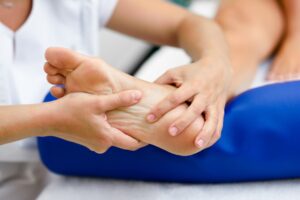
Decoding Your Symptoms: Where Does It Hurt?
Foot pain rarely feels the same for everyone. Where you feel discomfort offers crucial clues about the underlying muscle, tendon, or bone causing the trouble.
1. Persistent Foot Arch Pain
If you experience intense foot arch pain, particularly during your first steps in the morning or after prolonged sitting, the culprit is often the plantar fascia. This thick band of tissue acts like a shock-absorbing bowstring along the bottom of your foot.
- Plantar Fasciitis: Overstretching creates micro-tears in the ligament, triggering localized swelling and sharp sensations.
- Structural Flat Feet (Pes Planus): Fallen arches stretch internal muscles beyond their normal limit, generating persistent fatigue and ache along the midfoot.
2. Throbbing Foot Inside Pain
Experiencing foot inside pain (medial foot pain) often points to issues with stabilizing tendons and key joint structures.
- Posterior Tibial Tendon Dysfunction (PTTD): The posterior tibial tendon holds up your arch. When inflamed or strained, it creates localized swelling and discomfort along the inside ankle and instep.
- Tarsal Tunnel Syndrome: Similar to carpal tunnel in the wrist, nerve compression inside the ankle joint creates burning sensations, numbness, or deep ache along the inner edge of the foot.
3. Sharp Pain on Top of Foot
Discomfort located across the instep or bridge of the shoe is widely reported as pain on top of foot.
- Extensor Tendonitis: Overuse from running, steep inclines, or laced-too-tight footwear inflames the tendons running across the top of your foot.
- Stress Fractures: Hairline cracks in the metatarsal bones cause pinpoint top of foot pain that intensifies with weight-bearing movement.
- Midfoot Osteoarthritis: Joint wear-and-tear leads to localized foot pain on top of the middle bones, usually accompanied by morning stiffness.
Causes and Symptoms by Location
| Location of Discomfort | Common Primary Causes | Notable Symptoms |
| Arch / Instep | Plantar fasciitis, flat feet, high arches | Morning stiffness, sharp stabbing pain, deep ache |
| Inside Edge (Medial) | PTTD, tarsal tunnel syndrome, bunions | Burning, swelling, collapsed arch over time |
| Top Bridge (Dorsal) | Extensor tendonitis, stress fractures, bone spurs | Tenderness to touch, swelling, discomfort with tight shoes |
| Bottom Sole | Heel spurs, fat pad atrophy, plantar warts | Foot tenderness bottom surfaces, bruised sensation, sharp pinpoint tenderness |
Effective Home Care Practices for Relief
For mild or acute discomfort following a long work day, targeted conservative care can reduce temporary inflammation:
- Rest and Elevation: Reduce high-impact stress immediately and elevate your lower extremities above heart level to decrease fluid accumulation.
- Targeted Ice Application: Rolling the bottom sole over a frozen water bottle for 10–15 minutes alleviates foot tenderness bottom areas and soothes inflamed arch tissues.
- Gentle Calf and Fascia Stretches: Perform wall calf stretches and manual toe flexes prior to stepping out of bed to prepare stiff tissues for movement.
- Supportive Footwear: Avoid walking barefoot on hard tile or hardwood floors. Select structured shoes with generous arch support.
If you are struggling to find lasting comfort through simple rest, exploring advanced modalities through our specialized pain management services can stop early micro-injuries from becoming long-term disabilities.
Diagnostic Approach at Specialty Care Clinics
When daily remedies are no longer enough, a precise diagnosis is essential. At Specialty Care Clinics, our experienced team utilizes comprehensive diagnostic approaches to pinpoint the exact source of your pain:
- Biomechanical Gait Analysis: Evaluating how your foot hits the ground identifies abnormal pronation or pressure distribution.
- High-Resolution Imaging: On-site digital X-rays and MRI technology detect stress fractures, bone spurs, and soft tissue tears hidden deep inside the foot structure.
- Custom Orthotics Molding: We capture precise 3D foot contours to design custom orthotics that redistribute weight and take stress off strained arches.
Persistent, unresolved symptoms often benefit from the combined insights of specialized orthopedic specialists and podiatric care teams working in tandem.
When Should You Seek Immediate Medical Care?
While occasional soreness after exercise is common, certain red flag symptoms demand immediate medical evaluation:
- Inability to bear any weight on the affected leg or foot
- Visible deformities, open sores, or sudden severe swelling
- Signs of active infection, such as redness, heat, or systemic fever
- Sudden loss of sensation, tingling, or severe numbness in your toes
- Persistent discomfort that fails to improve after two weeks of home rest
Frequently Asked Questions
1. Why is my foot paining worst during my first steps in the morning?
Morning pain is a classic sign of plantar fasciitis. While you sleep, the inflamed plantar fascia shortens and tightens. Taking those initial steps forcefully stretches the tissue, causing sharp, immediate pain.
2. What is the primary cause of foot inside pain when walking?
Pain along the inner edge of the foot is often caused by Posterior Tibial Tendon Dysfunction (PTTD) or flat arches. As the tendon weakens, the inner foot loses structural support, placing strain on the surrounding joints and soft tissue.
3. Can wrong footwear cause pain on top of foot surfaces?
Yes. Wearing shoes that are too tight, laced too firmly, or lack adequate cushioning places direct pressure on the extensor tendons running across the top bridge. This causes friction, swelling, and localized tenderness.
4. How do custom orthotics help with foot arch pain?
Custom orthotics are engineered to fit your unique foot structure. They stabilize the heel, correct improper gait biomechanics, elevate collapsed arches, and evenly distribute your weight to reduce pressure on tender spots.
5. How can I tell if my top of foot pain is a stress fracture?
A stress fracture usually causes localized, pinpoint tenderness directly over the bone that worsens with weight-bearing activity and improves with rest. Swelling on the top bridge of the foot is also common. An X-ray or MRI is required for an accurate diagnosis.
6. Is it normal to have foot tenderness in the bottom areas after standing all day?
While mild muscle fatigue is normal after long hours on your feet, sharp tenderness, burning, or deep throbbing indicates inflammation or inadequate arch support that warrants professional care.
Reclaim Your Mobility with Specialty Care Clinics
Foot pain should never limit your daily life or keep you from doing what you love. Whether you are dealing with chronic foot arch pain, sharp pain on top of foot, or troubling foot inside pain, early evaluation prevents long-term joint and tendon complications.
Our dedicated team of specialists provides personalized treatment plans tailored to your active lifestyle—ranging from custom orthotics and physical therapy to advanced, minimally invasive therapies.
Don’t wait for the discomfort to worsen. Schedule an appointment with Specialty Care Clinics today and take the first confident step toward lasting, pain-free relief.