
Finding Lasting Relief: Your Guide to Compression Spinal Fracture Treatment Options
Imagine bending down to tie a shoelace or picking up a bag of groceries, only to be stopped cold by a sudden, sharp ache in your mid or lower back. For many older adults or individuals living with reduced bone density, a everyday movement like this can cause a small collapse in the spine.
When facing a hairline collapse in your vertebrae, finding the right compression spinal fracture treatment becomes the top priority for getting your mobility back and putting an end to daily pain.
At Specialty Care Clinics, we understand how scary sudden back pain can feel. Restoring your spinal strength isn’t about jumping straight into major surgery—it’s about creating a safe, stepped care plan that helps your body heal correctly.
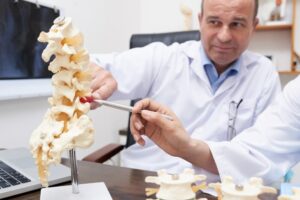
What Happens During a Spinal Compression Fracture?
Think of your spine as a stacked column of sturdy building blocks called vertebrae. Healthy bones easily absorb the pressure of walking, sitting, and twisting throughout your day.
However, conditions like osteoporosis or minor trauma can weaken these bone structures over time. When a weakened block experiences pressure, the front section can crack and flatten downward, forming a small wedge shape. This structural change is known as a spinal compression fracture.
+———————+———————————–+———————————–+
| Spine Condition | Bone Structure Profile | Primary Symptom Feeling |
+———————+———————————–+———————————–+
| Healthy Spine | Rectangular, solid bone block | Smooth movement, zero pain |
| Wedge Collapse | Flattened front edge (Wedge shape)| Sharp localized back pain |
| Severe Compression | Significant height loss in block | Stooped posture (Kyphosis), ache |
| Cord Involvement | Bone fragments pressing backward | Numbness, tingling down legs |
+———————+———————————–+———————————–+
When the bone block collapses, it changes how your weight is distributed across your back. This often strains nearby back muscles and causes severe localized discomfort.
How to Recognize the Signs of Vertebral Collapse
Unlike a muscle strain that gradually develops after heavy lifting, bone collapse often happens suddenly. The pain can make standing or walking uncomfortable, though it usually eases when you lie flat on your back.
[ Sudden Back Impact / Minor Stumble ]
│
▼
[ Localized Mid / Lower Back Pain ]
- Sharp pain when standing or walking
- Relief when lying flat on your back
│
▼
[ Physical Changes Over Time ]
- Loss of overall height
- Forward curving posture (Dowager’s hump)
│
▼
[ Red Flag Warning Signs ]
- Numbness, weakness, or leg tingling
- Loss of bowel or bladder control
(Indicates potential spinal cord compression)
If you notice weakness spreading into your legs or trouble controlling your bowel or bladder, seek immediate medical care. These signs can point to nerve pressure or spinal cord compression that needs urgent evaluation.
Non-Surgical Treatment for Spinal Compression Fracture
In many cases, gentle conservative care is the first step in helping a collapsed vertebra heal naturally over six to twelve weeks.
Activity Modification and Rest
While strict bed rest can actually weaken your bones further, short periods of resting flat can take heavy pressure off your healing vertebrae. Gradually returning to gentle walking keeps your surrounding muscles active without overloading the healing bone.
Targeted Bracing and Support
Custom back braces act like a temporary scaffolding system for your torso. By supporting your upper body weight and limiting sharp bending motions, a brace allows the hairline cracks in your vertebrae to mend safely.
Medicated Pain Relief
Managing daily discomfort helps you stay mobile during recovery. Short-term prescription medications, muscle relaxants, and topical anti-inflammatory treatments can keep pain levels manageable as the bone heals.
Clinical Tip: Avoid curling up in a tight, rounded position while resting in bed. Keeping your spine straight and supported with a pillow under your knees takes direct pressure off the front of your vertebrae.
Minimally Invasive Procedures: Restoring Height and Stability
If conservative care doesn’t relieve your pain after a few weeks, or if the bone collapse is severe, modern outpatient procedures can provide fast, targeted relief.
Vertebroplasty
During this quick outpatient procedure, a doctor uses x-ray guidance to inject medical-grade bone cement directly into the fractured vertebra. The cement hardens within minutes, stabilizing the bone fragments and stopping pain almost immediately.
Kyphoplasty
Kyphoplasty builds on vertebroplasty by adding a step to restore lost height. A specialist inserts a small, specialized balloon into the collapsed bone and inflates it gently to create space. Once the vertebra is lifted back toward its original shape, the balloon is removed, and the space is filled with bone cement.
[ Collapsed Bone Block ]
│
▼
[ Balloon Inserter Lift ] —> Restores lost height
│
▼
[ Medical Cement Fill ] —> Locks bone into place & stops pain
Both procedures require only a tiny skin incision and usually allow patients to walk out of the clinic on the same day with significantly less pain.
Comprehensive Care at Specialty Care Clinics
Recovering from a spine fracture requires a balanced approach that pairs targeted bone healing with long-term back strengthening and bone density management.
At Specialty Care Clinics, our multi-specialty team works together to diagnose the exact cause of your back pain and guide you through every stage of recovery.
We coordinate care across departments to give you complete support. Depending on your needs, you can work with our Orthopedics Department to explore structural stabilization options, or partner with our Pain Management Department to keep your daily recovery comfortable.
Frequently Asked Questions
1. How long does a compression spinal fracture take to heal?
Most mild to moderate fractures heal within 8 to 12 weeks with conservative care, such as bracing and rest. If you undergo a procedure like kyphoplasty or vertebroplasty, pain relief often occurs within 24 to 48 hours.
2. Can a spinal compression fracture heal on its own without surgery?
Yes. Many small hairline fractures mend successfully with activity modification, temporary back bracing, and proper bone health management. Surgery is generally reserved for severe height loss, persistent pain, or nerve pressure.
3. What is the primary cause of sudden spinal compression fractures?
Osteoporosis—a medical condition that thins and weakens bone tissue—is the leading cause. In bones weakened by osteoporosis, simple daily activities like coughing, reaching, or stepping off a curb can cause a collapse.
4. Is kyphoplasty safe for older adults?
Kyphoplasty is widely considered a safe, low-risk procedure for older adults. Because it is minimally invasive and uses local anesthesia, it avoids the risks and longer recovery times associated with open spine surgery.
5. What exercises should I avoid while recovering from a back fracture?
Avoid heavy lifting, deep twisting, and exercises that force your spine to curve forward, such as sit-ups or toe touches. Stick to gentle walking and clinician-guided physical therapy movements.
6. How can I prevent future vertebral collapses?
Preventing future fractures starts with managing your bone density. Getting adequate calcium and vitamin D, taking prescribed bone-strengthening medications, and doing weight-bearing exercises all help keep your spine strong.
Take the First Step Toward a Stronger Back Today
Living with constant spine pain can make everyday activities feel overwhelming, but clear answers and effective relief are within reach. Whether you need gentle conservative care or modern minimally invasive treatment, expert help is available.
Take control of your spinal health today. Contact Specialty Care Clinics to schedule your comprehensive evaluation with our dedicated care team!