
Managing Eye Allergies for Better Comfort and Clearer Vision
If your eyes become itchy, watery, or red every spring or after spending time around dust or pets, allergies may be the cause. Eye allergies are a common condition that affects people of all ages. While they are not usually dangerous, they can be uncomfortable enough to interfere with work, school, driving, reading, and other daily activities. Many people mistake allergy symptoms for an eye infection or simply try to ignore them, allowing the irritation to continue.
Fortunately, effective eye allergy treatment can help relieve symptoms and improve comfort. Eye allergies occur when the immune system overreacts to substances that are normally harmless, such as pollen, dust mites, pet dander, or mold. This reaction causes inflammation on the surface of the eye, leading to symptoms that may range from mild irritation to persistent discomfort.
Understanding the causes of eye allergies, recognizing their symptoms, and knowing when to seek medical care can help you manage flare-ups and protect your long-term eye health.
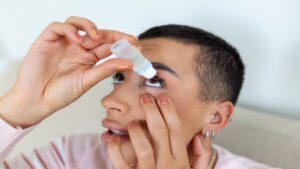
What Are Eye Allergies?
Eye allergies, also known as allergic conjunctivitis, occur when allergens trigger an immune response in the thin membrane covering the white part of the eye and the inside of the eyelids. Unlike bacterial or viral eye infections, eye allergies are not contagious.
Instead, they develop because the body’s immune system reacts to allergens by releasing chemicals such as histamine, resulting in inflammation and irritation. Although symptoms may be temporary, repeated exposure to allergens can lead to recurring episodes throughout the year.
Common Causes of Eye Allergies
Many environmental allergens can trigger allergic eye symptoms.
1. Seasonal Allergens
Seasonal allergies are commonly caused by:
- Tree pollen
- Grass pollen
- Weed pollen
Symptoms often become worse during spring, summer, or fall depending on local pollen levels.
2. Indoor Allergens
Some people experience symptoms throughout the year because of indoor allergens such as:
- Dust mites
- Pet dander
- Mold spores
- Cockroach particles
Reducing indoor allergen exposure may help decrease the frequency of flare-ups.
3. Irritants That Can Worsen Symptoms
Although not true allergens, certain irritants may aggravate already sensitive eyes.
Examples include:
- Cigarette smoke
- Air pollution
- Strong perfumes
- Household cleaning products
- Chemical fumes
- Wind
Avoiding these triggers may help improve comfort during allergy season.
Symptoms of Eye Allergies
Symptoms can vary from person to person and may affect one or both eyes.
Common symptoms include:
- Itchy eyes
- Redness
- Excessive tearing
- Burning sensation
- Swollen eyelids
- Watery eyes
- Light sensitivity
- Mild blurred vision caused by excessive tearing
Many people also experience nasal allergy symptoms such as sneezing, congestion, or a runny nose at the same time.
How Eye Allergies Differ from Eye Infections
Because redness and irritation occur with both conditions, eye allergies are sometimes mistaken for infections.
However, there are important differences.
Eye allergies often cause:
- Intense itching
- Clear, watery discharge
- Symptoms affecting both eyes
- Symptoms that worsen after allergen exposure
Eye infections are more likely to cause:
- Thick yellow or green discharge
- Pain
- One eye affected first
- Fever or other signs of infection
- Crusting around the eyelids
Accurate diagnosis helps ensure appropriate treatment.
Who Is More Likely to Develop Eye Allergies?
Anyone can develop eye allergies, but certain factors increase the risk.
These include:
- Family history of allergies
- Seasonal allergic rhinitis (hay fever)
- Asthma
- Eczema
- Frequent exposure to environmental allergens
People with multiple allergic conditions often experience recurring eye symptoms during allergy seasons.
How Eye Allergies Are Diagnosed
Diagnosing eye allergies usually begins with a review of your symptoms and medical history.
Your healthcare provider may ask:
- When did symptoms begin?
- Are symptoms seasonal or year-round?
- Do both eyes itch?
- Have you recently been around pets or pollen?
- Do you wear contact lenses?
- Have you experienced similar symptoms before?
Understanding your allergy history helps identify possible triggers.
1. Physical Examination
During the examination, your provider may evaluate:
- Eye redness
- Eyelid swelling
- Tear production
- Eye discharge
- Surface irritation
- Signs of infection
The examination helps distinguish allergies from infections and other eye conditions.
2. Allergy Testing
If symptoms are severe, persistent, or difficult to control, allergy testing may be recommended.
Testing can help identify specific allergens responsible for your symptoms, allowing targeted strategies to reduce exposure and improve long-term symptom control.
Why Early Eye Allergy Treatment Matters
Although eye allergies are usually not serious, untreated symptoms can become increasingly bothersome.
Persistent rubbing of the eyes may:
- Increase irritation
- Damage delicate eye tissues
- Worsen inflammation
- Increase the risk of infection
- Affect daily comfort and productivity
Early eye allergy treatment can help control inflammation, reduce symptoms, and improve overall eye comfort before irritation becomes more severe.
Eye Allergy Treatment Options
Treatment depends on the severity of symptoms, the type of allergen involved, and how often flare-ups occur. In many cases, a combination of avoiding allergens and using appropriate medications provides the best symptom relief.
1. Artificial Tears
Artificial tear eye drops help wash allergens from the surface of the eyes while keeping them lubricated.
These drops may help:
- Reduce irritation
- Flush away pollen and dust
- Soothe dry, itchy eyes
- Improve overall comfort
They are often recommended for mild allergy symptoms or alongside other treatments.
2. Allergy Eye Drops
Prescription or over-the-counter allergy eye drops may help reduce inflammation and relieve common symptoms. Depending on your condition, your healthcare provider may recommend eye drops that:
- Block histamine release
- Reduce inflammation
- Relieve itching
- Decrease redness
- Prevent future allergic reactions
Using eye drops exactly as directed helps achieve the best results.
3. Oral Allergy Medications
Some individuals experience both eye and nasal allergy symptoms. Oral antihistamines may help relieve:
- Sneezing
- Runny nose
- Itchy eyes
- Watery eyes
However, some oral allergy medications may contribute to dry eyes in certain people, so it’s important to discuss the most appropriate treatment with your healthcare provider.
4. Cold Compresses
Applying a clean, cool compress over closed eyelids can provide temporary relief from:
- Itching
- Swelling
- Burning
- Eye irritation
This simple home remedy may be especially helpful during allergy flare-ups.
Tips for Preventing Eye Allergies
Reducing exposure to allergens can help decrease both the frequency and severity of symptoms.
Helpful prevention strategies include:
- Keep windows closed during high pollen seasons.
- Wear sunglasses outdoors to reduce pollen exposure.
- Wash your hands after spending time outside.
- Avoid rubbing your eyes.
- Shower and change clothes after outdoor activities during allergy season.
- Clean your home regularly to reduce dust and pet dander.
- Use air filters when appropriate.
- Replace contact lenses as recommended.
Even small changes in daily habits can significantly improve eye comfort.
When Should You See a Healthcare Provider?
While mild allergies often improve with self-care, medical evaluation is recommended if you experience:
- Symptoms lasting more than a few days
- Severe redness
- Eye pain
- Vision changes
- Significant swelling
- Thick eye discharge
- Symptoms that do not improve with treatment
- Frequent allergy flare-ups
Prompt evaluation helps rule out infections or other eye conditions that may require different treatment.
Frequently Asked Questions (FAQs)
1. What causes eye allergies?
Eye allergies occur when the immune system reacts to allergens such as pollen, dust mites, pet dander, mold, or other environmental substances. This reaction causes inflammation of the eye’s surface, leading to itching, redness, watering, and irritation.
2. What is the most common symptom of eye allergies?
The most common symptom is intense itching. Other frequent symptoms include watery eyes, redness, swelling, burning, and excessive tearing. Many people also experience sneezing or a runny nose at the same time.
3. What is the best eye allergy treatment?
The most appropriate eye allergy treatment depends on the severity of symptoms and the underlying trigger. Treatment may include artificial tears, allergy eye drops, oral antihistamines, cold compresses, and avoiding known allergens. A healthcare provider can recommend the most suitable treatment plan.
4. Are eye allergies contagious?
No. Eye allergies are caused by an immune response to allergens and cannot be spread from one person to another. This differs from viral or bacterial conjunctivitis, which may be contagious.
5. Can wearing contact lenses make eye allergies worse?
Yes. Contact lenses can trap allergens against the surface of the eye, making symptoms worse for some people. Your healthcare provider may recommend reducing contact lens use during allergy flare-ups or switching to daily disposable lenses.
Conclusion
Eye allergies are a common condition that can make everyday activities uncomfortable, especially during allergy season or after exposure to environmental triggers. Although symptoms such as itching, redness, and watery eyes are often mild, persistent irritation should not be ignored.
Effective eye allergy treatment begins with identifying potential allergens, reducing exposure whenever possible, and choosing the most appropriate treatment based on your symptoms. Early evaluation and proper management can help relieve discomfort, reduce inflammation, and protect your long-term eye health, allowing you to enjoy clearer, more comfortable vision throughout the year.
Visit Us
Visit our http://specialtycareclinics.com/services/allergy/ clinic for comprehensive evaluation and treatment of eye allergies. Our healthcare team can help identify possible allergy triggers, recommend personalized treatment options, and provide guidance to relieve symptoms while supporting long-term eye health and comfort.
Contact us at (972) 865-4454 today to schedule an appointment. Whether you’re experiencing seasonal eye allergies, persistent itching, redness, or watery eyes, our team is here to provide personalized care and effective treatment to help you find lasting relief.