
From the Playing Field to Recovery: What to Do After a Knee Sports Injury
The game had barely started. You sprint toward the ball, make a quick turn, and suddenly feel your knee twist in a way it never has before. A sharp pain shoots through your leg, forcing you to stop immediately. Within minutes, your knee begins to swell, and putting weight on it becomes almost impossible.
Maybe it wasn’t during a competitive game.Perhaps it happened while playing a weekend basketball match with friends, training for a marathon, or simply chasing your child around the backyard. Knee injuries don’t only happen to professional athletes they affect people of every age and activity level.
Unfortunately, many people make the same mistake after a sports injury. They assume it’s “just a sprain,” go home, apply ice, and hope the pain disappears in a few days.
Sometimes it does. But sometimes that painful twist is a torn ligament, a damaged meniscus, or another injury that requires immediate medical attention. That’s where orthopedic urgent care can make a significant difference. Instead of waiting days or weeks for a specialist appointment, patients can receive prompt evaluation, advanced imaging when needed, and expert orthopedic treatment for knee sports injuries before the condition worsens.
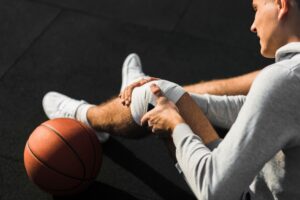
Why the Knee Is One of the Most Frequently Injured Joints
The knee is one of the hardest-working joints in the human body.
Every step, jump, squat, sprint, and sudden change in direction places tremendous stress on this complex joint.
Unlike simpler joints, the knee depends on several structures working together perfectly, including:
- Bones
- Cartilage
- Ligaments
- Tendons
- Menisci
- Muscles
When even one of these structures is injured, the entire joint can become painful and unstable.
Sports that involve running, jumping, pivoting, or sudden stopping place especially high demands on the knee, making injuries much more common.
Even recreational athletes who play only on weekends are at risk because the body may not be conditioned for sudden bursts of intense activity.
Common Knee Sports Injuries Treated at Orthopedic Urgent Care
Not every knee injury is the same. Proper diagnosis is essential because different injuries require very different treatment plans.
1. ACL Tears
The anterior cruciate ligament (ACL) is one of the most important stabilizing ligaments in the knee. An ACL injury often occurs during sudden pivoting, awkward landings, or rapid direction changes.
Many patients describe hearing or feeling a “pop” before experiencing immediate pain and swelling. Without proper treatment, knee instability can continue long after the initial injury.
2. Meniscus Tears
The meniscus acts as a shock absorber between the thigh bone and shin bone. Twisting the knee while the foot remains planted can tear this protective cartilage.
Common symptoms include:
- Pain when twisting
- Knee locking
- Clicking sensations
- Swelling
- Difficulty fully straightening the knee
Small tears may heal with conservative treatment, while larger tears sometimes require surgical repair.
3. MCL Injuries
The medial collateral ligament (MCL) is located along the inside of the knee. It is commonly injured after a direct blow to the outside of the leg during sports such as football, soccer, or hockey. Depending on the severity, treatment may involve bracing, rehabilitation, or surgery.
4. Patellar Tendon Injuries
The patellar tendon connects the kneecap to the shinbone. Repeated jumping during sports like volleyball or basketball can gradually weaken this tendon, while sudden trauma may cause partial or complete tears. Early diagnosis is important because untreated tendon injuries can significantly limit knee function.
5. Knee Sprains and Muscle Strains
Not every injury involves torn ligaments. Sometimes the muscles, tendons, or supporting soft tissues become overstretched during athletic activity. Although these injuries are generally less severe, proper evaluation helps rule out more serious internal damage.
Warning Signs You Shouldn’t Ignore
Many athletes try to “play through the pain.” Unfortunately, continuing to participate after a significant knee injury often makes the problem worse. Seek orthopedic evaluation if you experience:
1. Rapid Swelling
Swelling that develops within a few hours often indicates internal bleeding or ligament injury.
2. Difficulty Walking
If placing weight on your injured leg becomes difficult, it’s important to have the knee examined promptly.
3. Instability
Many patients describe the sensation that their knee is “giving out” or feels unable to support them. This symptom frequently occurs with ligament injuries.
4. Locking or Catching
If your knee becomes stuck or catches during movement, a torn meniscus or loose cartilage may be preventing normal joint motion.
5. Persistent Pain
Pain that continues despite rest, ice, compression, and elevation deserves professional evaluation. Ignoring ongoing pain may allow a treatable injury to become more complicated.
Why Orthopedic Urgent Care Is Different From a General Urgent Care Clinic
After a sports injury, many patients aren’t sure where to go. A general urgent care clinic can often evaluate minor injuries, but orthopedic urgent care focuses specifically on injuries affecting the bones, joints, muscles, ligaments, and tendons. This specialized approach offers several advantages:
- Faster evaluation by providers experienced in orthopedic injuries.
- Immediate assessment of joint stability and function.
- Access to on-site X-rays and advanced imaging referrals when necessary.
- Personalized treatment plans based on the type and severity of the injury.
- Quicker referral to orthopedic surgeons if surgery becomes necessary.
Instead of treating only the pain, orthopedic urgent care focuses on identifying the exact injury so recovery can begin as soon as possible.
How Knee Sports Injuries Are Diagnosed
An accurate diagnosis is the foundation of successful treatment. During your visit, the orthopedic provider will ask detailed questions such as:
- How did the injury occur?
- Did you hear or feel a popping sensation?
- Were you able to continue playing?
- When did the swelling begin?
- Have you injured this knee before?
- What movements increase your pain?
Next comes a thorough physical examination. Your provider will carefully evaluate:
- Knee alignment
- Range of motion
- Areas of tenderness
- Joint stability
- Muscle strength
- Swelling
- Walking pattern
Depending on your symptoms, diagnostic imaging may also be recommended.
X-rays help identify fractures or bone injuries, while MRI scans provide detailed images of ligaments, cartilage, tendons, and the meniscus.
By combining your medical history, physical examination, and imaging results, the orthopedic specialist can accurately determine the cause of your knee pain and recommend the most effective treatment plan.
Treatment Options for Knee Sports Injuries
One of the first questions patients ask after injuring their knee is: “Will I need surgery?” The answer depends on the type of injury, its severity, your activity level, and your overall health. The good news is that many knee sports injuries can be successfully treated without surgery when they are diagnosed early.
1. Rest, Ice, Compression, and Elevation (RICE)
For mild sprains and strains, your orthopedic provider may recommend the RICE method during the first 48 hours after injury.
This includes:
- Resting the injured knee
- Applying ice packs for 15–20 minutes several times a day
- Using a compression bandage to reduce swelling
- Elevating the leg above heart level whenever possible
While RICE can help manage pain and swelling, it should not replace a professional evaluation if symptoms are severe or continue to worsen.
2. Bracing and Support
Depending on the injury, a knee brace may help stabilize the joint and protect damaged ligaments while they heal.
Braces can also provide confidence when walking during the early stages of recovery by limiting movements that may aggravate the injury.
3. Physical Therapy
Physical therapy plays a vital role in recovering from nearly every knee sports injury.
A personalized rehabilitation program focuses on:
- Restoring range of motion
- Strengthening the muscles around the knee
- Improving balance and coordination
- Reducing stiffness
- Preventing future injuries
- Helping you safely return to sports and daily activities
Skipping rehabilitation can increase the risk of recurring injuries, even if the pain has improved.
4. Medications
Your orthopedic provider may recommend medications to reduce inflammation and relieve pain while your knee heals. These medications are most effective when combined with activity modification and rehabilitation rather than being used as the only treatment.
5. Advanced Orthopedic Procedures
When conservative treatments don’t provide enough relief, additional orthopedic treatments may be considered.
Depending on your diagnosis, these may include:
- Joint aspiration to remove excess fluid
- Platelet-Rich Plasma (PRP) therapy for selected tendon injuries
- Corticosteroid injections for certain inflammatory conditions
- Other regenerative or minimally invasive treatment options when appropriate
Your orthopedic specialist will explain whether any of these treatments are suitable for your specific condition.
6. Surgical Treatment
Some injuries require surgery to restore normal knee stability and function.
Surgery may be recommended for:
- Complete ACL tears
- Complex meniscus tears
- Tendon ruptures
- Multi-ligament injuries
- Fractures involving the knee joint
- Injuries that fail to improve with conservative treatment
Modern orthopedic surgery often uses minimally invasive arthroscopic techniques, allowing surgeons to repair damaged structures through small incisions, which may reduce pain and support a quicker recovery for many patients.
Returning to Sports Safely
One of the biggest mistakes athletes make is returning to activity too soon.
Just because the pain has improved doesn’t mean the knee has completely healed.
Returning before the joint is strong enough increases the risk of:
- Re-injury
- Chronic instability
- Cartilage damage
- Early arthritis
- Longer recovery times
Before returning to sports, your orthopedic provider may evaluate:
- Strength in both legs
- Knee stability
- Balance and coordination
- Running mechanics
- Jumping and landing technique
- Sport-specific movements
Taking the time to recover properly often means getting back to your favorite activities stronger and with greater confidence.
Tips to Reduce Your Risk of Future Knee Injuries
While accidents can’t always be prevented, many sports injuries are avoidable with proper preparation.
Healthy habits include:
- Always warming up before exercise.
- Strengthening the muscles around your hips, thighs, and core.
- Wearing sport-specific footwear with good support.
- Practicing proper jumping and landing techniques.
- Increasing training intensity gradually rather than suddenly.
- Taking rest days to allow your body to recover.
- Addressing minor knee pain before it develops into a serious injury.
These preventive measures help protect not only your knees but your overall athletic performance.
Frequently Asked Questions (FAQs)
1. How do I know if my knee injury requires orthopedic urgent care?
You should seek orthopedic urgent care if your knee swells quickly after an injury, you cannot comfortably bear weight, your knee feels unstable or gives out, you hear a popping sound during the injury, or your pain continues despite rest and ice. Early evaluation helps identify ligament tears, meniscus injuries, fractures, and other conditions before they become more serious.
2. What’s the difference between a knee sprain and an ACL tear?
A knee sprain usually involves stretching or partially tearing one or more ligaments and may improve with conservative treatment. An ACL tear often occurs during sudden twisting or pivoting movements and is commonly associated with a popping sensation, immediate swelling, and feelings of instability. A physical examination and MRI are often needed to confirm the diagnosis and determine the most appropriate treatment.
3. Can I continue playing sports if my knee pain isn’t severe?
It’s generally not recommended. Mild pain doesn’t always mean the injury is minor. Continuing to play with an untreated ligament or meniscus injury can lead to additional damage inside the knee, prolong recovery, and increase the likelihood of needing surgery. It’s safest to have your knee evaluated before returning to activity.
4. Will every knee sports injury require an MRI?
No. Many injuries can initially be evaluated through a detailed physical examination and X-rays. An MRI is typically recommended when ligament tears, cartilage damage, meniscus injuries, or tendon injuries are suspected or when symptoms don’t match X-ray findings. Your orthopedic provider will determine whether advanced imaging is necessary.
5. How long does recovery from a knee sports injury usually take?
Recovery varies depending on the type and severity of the injury. Mild sprains may improve within a few weeks, while ligament tears, meniscus repairs, or surgical procedures can require several months of rehabilitation. Following your treatment plan and completing physical therapy are essential for achieving the best possible outcome.
Conclusion
A knee sports injury can happen in a matter of seconds, but recovering the right way takes time, expert care, and the proper treatment plan. Whether your injury occurred during a competitive game, a weekend workout, or a recreational activity, ignoring persistent pain or trying to “push through it” can often make the problem worse.
If you’re experiencing pain, swelling, instability, or difficulty walking after a sports injury, don’t wait for the symptoms to become more serious. Prompt orthopedic urgent care can help you recover safely and get back to the activities you enjoy with confidence.
Visit Us
Visit our https://specialtycareclinics.com/services/orthopedics/ clinic today for expert orthopedic urgent care and specialized treatment for knee sports injuries. Our experienced orthopedic providers evaluate ligament tears, meniscus injuries, tendon damage, fractures, and other musculoskeletal conditions using advanced diagnostic techniques and personalized treatment plans designed to restore mobility and support a safe recovery.
Contact us at (972) 865-4454 today to schedule your evaluation or walk in for prompt orthopedic care. Our dedicated team is committed to helping you recover from knee sports injuries quickly, safely, and with the expert attention you need to return to your active lifestyle.