
Early Treatment for Epiphysiolysis Fractures Can Prevent Long-Term Bone Problems
It happens in just a few seconds. Your child lands awkwardly after jumping for a basketball. A soccer tackle twists their ankle. They fall from a bicycle and immediately begin crying because they can’t put weight on one leg.
Like many parents, your first thought might be that it’s simply a sprain, But after several hours, the swelling gets worse. The pain doesn’t improve. Your child refuses to walk or move the injured arm, and you begin wondering whether something more serious has happened.
One possibility is an epiphysiolysis fracture, also known as a growth plate fracture.
Unlike fractures in adults, these injuries occur in the soft area of bone where children and teenagers are still growing. Because growth plates are responsible for future bone development, prompt diagnosis and proper treatment are essential to prevent long-term complications.
If you’ve been searching for information about a fracture or specifically an epiphysiolysis fracture, understanding the warning signs can help you seek the right medical care at the right time.
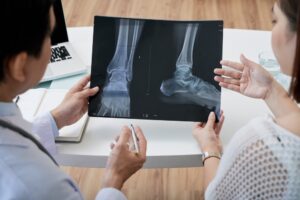
What Is an Epiphysiolysis Fracture?
Children’s bones are different from adult bones.
Near the ends of their long bones is a section of developing cartilage called the growth plate. This area is softer and more flexible than mature bone, making it especially vulnerable to injury during falls, sports, or accidents.
An epiphysiolysis fracture occurs when this growth plate is damaged.
Although the injury may look similar to a simple sprain at first, it requires careful evaluation because damage to the growth plate can affect how the bone grows in the future if left untreated.
Growth plate fractures commonly occur in the:
- Wrist
- Finger
- Ankle
- Knee
- Lower leg
- Upper arm
- Elbow
These injuries are most frequently seen in children and adolescents because their bones are still developing.
How Do Growth Plate Fractures Happen?
Most epiphysiolysis fractures occur during everyday childhood activities.
Some of the most common causes include:
1. Sports Injuries
Children involved in football, basketball, gymnastics, baseball, soccer, skateboarding, or cheerleading place repeated stress on growing bones.
A sudden fall, awkward landing, or direct collision can injure the growth plate.
2. Playground Accidents
Falls from monkey bars, swings, climbing structures, or slides are common reasons children visit orthopedic specialists with suspected fractures.
3. Bicycle and Scooter Falls
Children often instinctively extend their hands during a fall, making wrist growth plate injuries particularly common.
4. Motor Vehicle Accidents
Even when seat belts and child restraints reduce severe injuries, the force of a collision may still result in fractures involving the growth plates.
Signs That It’s More Than a Sprain
One reason growth plate fractures are sometimes missed is because the symptoms closely resemble a sprain.
Parents should watch for:
- Swelling around a joint
- Pain that continues to worsen
- Tenderness when the area is touched
- Difficulty walking
- Refusal to use an arm or leg
- Bruising
- Limited joint movement
- Pain that doesn’t improve after resting
A younger child may simply refuse to crawl, stand, or walk, making changes in behavior just as important as visible swelling.
Why Early Treatment Matters
The growth plate is responsible for helping bones grow to their proper length and shape. If a fracture heals incorrectly or isn’t treated promptly, it may interfere with normal bone development.
Possible complications include:
- Uneven limb growth
- Joint deformities
- Reduced range of motion
- Chronic pain
- Future arthritis
- Differences in leg or arm length
Fortunately, most children recover extremely well when growth plate injuries are diagnosed and treated early by an orthopedic specialist.
How Is an Epiphysiolysis Fracture Diagnosed?
When your child arrives for evaluation, the healthcare provider will first ask about how the injury happened.
Questions often include:
- Did your child hear or feel a pop?
- Can they bear weight?
- Where is the pain located?
- Did swelling appear immediately?
- Has the pain improved or worsened?
A physical examination follows, during which the injured limb is carefully assessed for swelling, tenderness, stability, circulation, and nerve function.
X-rays are usually the first imaging test performed.
However, because growth plates are made of cartilage rather than fully developed bone, some injuries may not appear clearly on standard X-rays.
If the diagnosis remains uncertain, additional imaging such as MRI or CT scanning may be recommended to evaluate the growth plate more closely and determine the exact extent of the injury.
An accurate diagnosis is essential because treatment depends on the type of fracture, the amount of displacement, and whether the growth plate has been affected.
How Are Epiphysiolysis Fractures Treated?
The treatment for an epiphysiolysis fracture depends on several factors, including your child’s age, the location of the fracture, whether the growth plate has shifted, and how severe the injury is. The primary goal is always the same: allow the bone to heal properly while protecting future growth.
-
Immobilization
Many growth plate fractures that are well aligned can be treated without surgery.
Your orthopedic specialist may recommend:
- A cast
- A splint
- A removable brace
- Crutches to keep weight off the injured leg
Keeping the injured area still allows the growth plate to heal correctly while reducing pain and preventing further damage.
-
Closed Reduction
If the fractured bone has moved out of its normal position, the orthopedic surgeon may perform a procedure called a closed reduction.
During this procedure, the bone is carefully realigned without making an incision. Once proper alignment is restored, a cast is applied to hold the bone in place while it heals.
-
Surgery
Some epiphysiolysis fractures are more complex and cannot be treated with casting alone.
Surgery may be recommended if:
- The growth plate is severely displaced.
- The fracture extends into the joint.
- The bone cannot be properly aligned without surgery.
- Multiple fractures are present.
- The injury is unstable.
Depending on the fracture, small screws, pins, or plates may be used to stabilize the bone while it heals.
Modern surgical techniques focus on preserving the growth plate whenever possible to reduce the risk of future complications.
Recovery: What Parents Can Expect
One of the first questions parents ask is, “When can my child play sports again?” The answer depends on the location and severity of the fracture.
Most uncomplicated growth plate fractures heal within 4 to 8 weeks, although some injuries require a longer recovery period.
During recovery, your child may need:
- Regular follow-up appointments
- Repeat X-rays to monitor healing
- Temporary activity restrictions
- Physical therapy if stiffness develops after cast removal
- Gradual return to sports under medical guidance
It’s important not to rush the recovery process. Returning to sports too early may increase the risk of re-injury or interfere with proper bone healing.
Can Growth Plate Fractures Cause Long-Term Problems?
Most children recover completely after appropriate treatment. However, because the injury involves the growth plate, orthopedic follow-up is extremely important. In some cases, your orthopedic surgeon may continue monitoring your child for several months or even longer to ensure the injured bone continues growing normally.
Potential complications may include:
- Slowed bone growth
- Premature closure of the growth plate
- Limb length differences
- Angular deformities
- Joint stiffness
- Chronic pain if the fracture heals improperly
Fortunately, these complications are much less common when the injury is diagnosed early and managed by an experienced orthopedic specialist.
Helping Your Child Prevent Future Fractures
While accidents can’t always be prevented, parents can reduce the risk of serious injuries by encouraging safe habits.
Helpful tips include:
- Make sure children wear properly fitted protective sports equipment.
- Encourage stretching and warm-up exercises before athletic activities.
- Ensure bicycles, scooters, and skateboards are used with helmets and protective gear.
- Replace worn-out athletic shoes that no longer provide adequate support.
- Teach children safe techniques for jumping, landing, and participating in sports.
- Schedule prompt medical evaluation whenever a child has persistent pain or swelling after an injury.
Teaching these habits early helps support both injury prevention and lifelong bone health.
Frequently Asked Questions (FAQs)
1. How is an epiphysiolysis fracture different from a regular fracture?
An epiphysiolysis fracture involves the growth plate, the soft area of developing tissue near the ends of children’s bones. Because this area controls future bone growth, these injuries require special attention. Adult fractures typically involve mature bone and do not carry the same risk of affecting future growth and development.
2. Can a growth plate fracture heal without surgery?
Yes. Many epiphysiolysis fractures heal successfully with casting or splinting when the bones remain properly aligned. Surgery is usually reserved for fractures that are displaced, unstable, or involve the joint. Your orthopedic specialist will recommend the most appropriate treatment based on imaging results and the severity of the injury.
3. How long does it take for an epiphysiolysis fracture to heal?
Most uncomplicated growth plate fractures heal within four to eight weeks, although recovery varies depending on the child’s age, the location of the fracture, and whether surgery was required. Follow-up appointments are important to confirm proper healing and ensure the growth plate continues to develop normally.
4. What happens if a growth plate fracture is left untreated?
Without proper treatment, a growth plate fracture may heal incorrectly, increasing the risk of uneven bone growth, joint deformity, reduced range of motion, chronic pain, or differences in limb length. Early diagnosis and appropriate orthopedic care greatly reduce the likelihood of these complications.
5. Can my child return to sports after a growth plate fracture?
Yes. Most children return to their normal sports and activities after the fracture has completely healed and their orthopedic specialist confirms that it is safe to do so. Returning too early can increase the risk of re-injury, so it’s important to follow your provider’s recommendations regarding rehabilitation and activity restrictions.
Conclusion
An epiphysiolysis fracture may seem similar to a simple sprain at first, but because it affects the growth plate, it deserves prompt medical attention. Early diagnosis allows the bone to heal correctly while protecting your child’s future growth and mobility.
Whether the injury occurs during sports, on the playground, or after an unexpected fall, recognizing the warning signs and seeking timely orthopedic care can make a significant difference in recovery. With the right treatment and proper follow-up, most children return to school, sports, and everyday activities without long-term complications.
Visit Us
Visit our https://specialtycareclinics.com/auto-injury/fractures-and-broken-bones/ clinic today for expert evaluation and compassionate care for fractures and growth plate injuries. Our orthopedic specialists provide comprehensive diagnosis, advanced treatment, and personalized recovery plans to help children heal safely while protecting healthy bone growth and long-term mobility.
Contact us at (972) 865-4454 today to schedule an appointment and learn more about our fracture care services. Our experienced orthopedic team is committed to helping your child recover quickly, safely, and confidently with individualized treatment designed for growing bones.