
The Ultimate Foot Pain Relief Guide: Treatments for Heel Pain, Ingrown Toenails, and More
Think about the last time you took a step completely pain-free. If you’re reading this, it’s probably been a while. Your feet carry your entire body weight every single day, taking around 5,000 to 10,000 steps. Yet, we rarely pay attention to them until a sharp ache makes it impossible to walk. Whether you are dealing with a stabbing sensation in the morning, a throbbing toe, or managing complex diabetic foot care, finding the right heel pain treatment or ankle pain treatment can completely transform your daily life.
Let’s break down the most common foot problems, what causes them, and how you can find lasting relief.
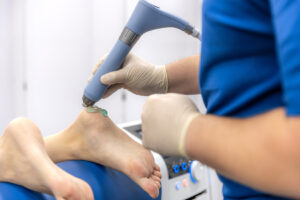
What Causes Heel Pain? Understanding the Root Problem
If you dread putting your feet on the floor first thing in the morning, you aren’t alone. That sharp, stabbing sensation in the base of your foot is an incredibly common complaint. But to fix it, we first have to answer: what causes heel pain in the first place?
Most often, the culprit is plantar fasciitis. This is an inflammation of the thick band of tissue running across the bottom of your foot, connecting your heel bone to your toes.
Other common causes include:
- Heel spurs: Calcium deposits that build up on the underside of the heel bone.
- Achilles tendinitis: Inflammation of the tendon connecting your calf muscles to your heel, often caused by overuse.
- Stress fractures: Tiny cracks in the bone due to repetitive impact (common in runners).
- Poor footwear: Wearing flat shoes or worn-out sneakers that offer zero arch support.
Finding the Right Heel Pain Treatment
The good news is that you don’t just have to live with the agony. Effective heel pain treatment usually starts at home with conservative, simple adjustments.
Home Remedies That Actually Work
- The Frozen Water Bottle Roll: Roll the arch of your foot over a frozen water bottle for 10 to 15 minutes. The ice reduces inflammation, while the rolling action stretches the plantar fascia.
- Calf Stretches: Tight calves pull on your heel tissues. Lean against a wall with one leg back and press your heel into the floor to release the tension.
- Orthotic Inserts: Swap out your flimsy shoe insoles for supportive, deep-heel-cup orthotics to take the pressure off your stride.
If your pain persists for more than a few weeks despite these tips, it is wise to see a podiatrist. They can offer advanced options like custom orthotics, night splints, or shockwave therapy.
When Toes Go Wrong: Ingrown Toenail Treatment and Hammer Toes
Our toes look small, but when they hurt, it feels like your whole body is under attack. Two of the biggest troublemakers are ingrown nails and structural shifts like hammer toes.
Fast Fixes: Ingrown Toenail Treatment
An ingrown toenail happens when the edge of your nail grows directly into the surrounding flesh. It usually strikes the big toe, turning it red, swollen, and fiercely painful.
- How to treat it at home: Soak your foot in warm water with Epsom salt for 15 minutes, three times a day. Apply an antibacterial ointment and keep it covered with a clean bandage.
- What NOT to do: Do not perform “bathroom surgery” by cutting a V-shape into the nail or digging at the corner with tweezers. This introduces dangerous bacteria.
- Professional care: If it gets infected, a doctor can perform a quick, painless, in-office procedure to remove the offending nail border.
Straightening Things Out: Hammer Toe Treatment
A hammer toe is a structural deformity where your toe bends downward at the middle joint, resembling a hammer. It’s usually caused by an imbalance in the muscles and tendons, often aggravated by wearing narrow, high-heeled shoes that cramp your toes.
Effective hammer toe treatment involves relieving pressure:
| Treatment Stage | Method | Goal |
| Early Stage | Wear shoes with a wide, deep toe box | Stop the toe from rubbing against the shoe |
| Daily Support | Use silicone toe caps or gel pads | Prevent painful corns and calluses |
| Physical Therapy | Towel curls (scrunching a towel with your toes) | Strengthen foot muscles and improve flexibility |
Navigating Ankle Pain Treatment
An ankle injury can sideline you instantly. Whether you misstepped off a curb or twisted it during a workout, getting the right ankle pain treatment quickly is essential to prevent chronic joint instability later on.
For a fresh ankle sprain, always start with the R.I.C.E. protocol:
- Rest: Stay off the injured foot to give tissues a chance to repair.
- Ice: Apply ice packs wrapped in a towel for 20 minutes at a time to curb swelling.
- Compression: Wrap the ankle snugly in an elastic bandage to provide support.
- Elevation: Prop your foot up above heart level as often as possible.
If you cannot bear any weight on the leg or notice severe bruising, skip the home remedies and get an X-ray to rule out a fracture.
The Essentials of Diabetic Foot Care
For individuals living with diabetes, foot health shifts from a matter of comfort to a critical health priority. Diabetes can cause nerve damage (neuropathy) and poor blood circulation, meaning you might not feel a minor blister or cut on your sole. Left unnoticed, a simple scrape can rapidly turn into a severe, slow-healing ulcer.
Proper diabetic foot care requires a strict daily routine:
- Inspect your feet every single night: Look closely for red spots, blisters, cuts, or peeling skin. Use a mirror if you can’t easily see the bottoms of your feet.
- Wash and thoroughly dry: Use lukewarm water and mild soap. Always dry carefully between the toes, as trapped moisture creates a playground for fungal infections.
- Moisturize smartly: Apply lotion to the tops and bottoms of your feet to prevent cracking, but avoid putting it between your toes.
- Never go barefoot: Even indoors, wear supportive slippers or shoes to shield your skin from sharp debris or accidental stubs.
Frequently Asked Questions (FAQs)
1. How can I tell the difference between a sprain and a fracture?
Generally, a fracture involves immediate, excruciating pain, an inability to bear any weight on the foot, and rapid, severe swelling or visible deformity. A sprain may still allow for minimal weight-bearing, though it is highly painful. The only definitive way to know is through a medical evaluation and X-ray.
2. Can wearing high heels cause permanent foot damage?
Yes, frequent use of high heels forces your body weight forward, squeezing your toes into a narrow space. This significantly increases your risk of developing bunions, hammer toes, and chronic shortening of the Achilles tendon, which leads to heel pain.
3. Why is an ingrown toenail so dangerous for someone with diabetes?
Because diabetes reduces blood flow and weakens the immune response in your extremities, a minor infection from an ingrown toenail can quickly turn into a deep tissue infection or foot ulcer. For diabetic individuals, any sign of an ingrown nail warrants an immediate visit to a podiatrist.
4. How long does it take for heel pain to go away?
With consistent conservative treatment like stretching, ice, and proper footwear, most people find significant relief from plantar fasciitis within a few weeks to a few months. Consistency is key.
5. What kind of shoes are best for preventing foot pain?
Look for shoes that feature a wide toe box (so your toes aren’t pinched), excellent built-in arch support, a cushioned heel, and a relatively stiff sole that doesn’t twist easily in the middle.
Take Your Next Step Toward Pain-Free Living
Ignoring foot pain rarely makes it disappear; instead, your body compensates by changing the way you walk, which can ultimately damage your knees, hips, and lower back. By addressing issues early—whether that means upgrading your daily footwear, practicing targeted stretches, or scheduling a professional checkup—you can protect your long-term mobility.
If your foot discomfort is holding you back from your favorite activities, don’t wait for it to worsen. Contact a local podiatrist or specialist today to explore a tailored treatment plan and get back to moving comfortably.
Visit Us our https://specialtycareclinics.com/services/podiatry/ experienced podiatry specialists provide comprehensive evaluation and advanced treatment options for podiatry and other spinal conditions. Contact us at 972-937-8900 and schedule your consultation today to receive personalized podiatry treatment and start your journey toward pain relief and recovery.