
Lower Back Pain After a Car Accident: Why It Happens and How to Heal Properly
After a car accident, most people expect visible injuries—bruises, cuts, or immediate pain. But what often surprises patients is the slow onset of lower back pain that develops hours or even days later.
At first, it may feel like mild soreness or stiffness. You might assume it’s nothing serious. But over time, that discomfort can intensify, making it difficult to sit, stand, sleep, or even perform simple daily tasks.
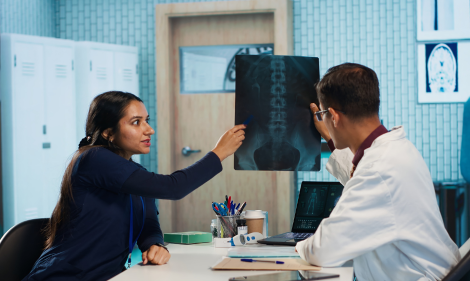
Lower back pain after a crash is one of the most common—and frequently underestimated—auto injuries. Understanding why it happens and how to treat it properly can make the difference between a full recovery and long-term discomfort.
Why Lower Back Pain Develops After a Crash
During a collision, your body absorbs a sudden force that disrupts the natural alignment of the spine. Even if you were wearing a seatbelt, the impact can strain muscles, ligaments, and spinal structures in your lower back.
One of the most important things to understand is that pain doesn’t always appear immediately. This is known as delayed pain after car accident, and it occurs because your body initially releases adrenaline, masking discomfort.
As inflammation builds, symptoms begin to surface—sometimes days after the incident.
Common Causes of Lower Back Pain After an Accident
Lower back pain can result from several types of injuries, including:
1. Soft Tissue Injuries
Muscles and ligaments in the lower back can stretch or tear during impact, leading to stiffness, tenderness, and reduced mobility.
2. Herniated or Bulging Discs
The force of a crash can cause spinal discs to shift out of place, pressing on nearby nerves and causing pain that may radiate into the legs.
3. Spinal Misalignment
Even minor shifts in spinal alignment can create ongoing discomfort and affect posture and movement.
4. Inflammation and Muscle Spasms
Inflammation often triggers muscle spasms, which can make the pain feel sharp or persistent.
Each of these conditions requires proper evaluation to determine the most effective treatment approach.
Symptoms You Shouldn’t Ignore
Lower back pain can vary in severity, but certain symptoms indicate a need for immediate attention.
You should seek care if you experience:
- Persistent or worsening pain
- Pain that radiates to the hips or legs
- Stiffness that limits movement
- Difficulty standing or sitting for long periods
- Muscle spasms or tightness
These symptoms may indicate deeper structural issues rather than simple soreness.
When Should I See a Doctor After a Car Accident?
Many patients wonder, when should I see a doctor after a car accident? The answer is simple—don’t wait for symptoms to become severe.
You should seek medical attention if:
- Pain appears hours or days after the accident
- Discomfort interferes with daily activities
- Symptoms continue to worsen
- You experience numbness or tingling
Early diagnosis is key to preventing complications and ensuring proper healing.
Why Early Treatment Matters
Ignoring lower back pain can lead to long-term consequences. Without treatment, minor injuries can develop into chronic conditions that affect mobility and quality of life.
Seeking the best auto injury treatment in Texas early allows healthcare providers to:
- Identify the root cause of pain
- Prevent worsening inflammation
- Create a personalized recovery plan
- Reduce the risk of chronic pain
Early care is not just about relief—it’s about protecting your long-term health.
The Role of Physical Therapy in Recovery
One of the most effective treatments for back injuries is physical therapy after a car accident. Unlike temporary solutions, physical therapy focuses on restoring strength, flexibility, and proper movement.
A structured therapy plan may include:
- Stretching exercises to improve flexibility
- Strength training to support the spine
- Posture correction techniques
- Pain management therapies
Physical therapy helps your body heal correctly, reducing the likelihood of recurring pain.
How Lower Back Pain Affects Daily Life
Lower back pain doesn’t just stay in one place—it affects nearly every part of your routine.
Patients often report difficulty with:
- Sitting for long periods (especially at work)
- Driving or commuting
- Sleeping comfortably
- Lifting objects or bending
Over time, these limitations can impact productivity, mood, and overall well-being. That’s why early and effective treatment is so important.
Preventing Long-Term Complications
The good news is that most back injuries can heal successfully with the right care. Prevention of long-term issues depends on:
- Early diagnosis
- Consistent treatment
- Following a guided recovery plan
- Avoiding strain during healing
Taking these steps ensures a smoother recovery and reduces the risk of chronic pain.
Conclusion
Lower back pain after a car accident is often delayed, misunderstood, and underestimated. In this blog, we explored why back pain develops after a crash, including soft tissue injuries, disc issues, and spinal misalignment. We discussed the importance of recognizing symptoms early, answered key concerns like when should I see a doctor after a car accident, and explained how delayed pain can signal deeper problems.
We also highlighted how physical therapy after car accident plays a critical role in restoring movement and preventing long-term complications. Most importantly, we emphasized that seeking the best auto injury treatment in Texas early can significantly improve recovery outcomes.
If you’re experiencing lower back pain—even if it seems mild—don’t ignore it. Early care can help you recover fully, avoid chronic pain, and return to your normal life with confidence.
Start your recovery today:
https://specialtycareclinics.com/auto-injury/
FAQs
- Why does lower back pain appear days after a car accident?
Lower back pain is often delayed due to adrenaline masking the initial injury and inflammation building over time. As your body begins to heal, symptoms such as stiffness and discomfort become more noticeable, which is why pain may appear hours or days after the accident. - Is lower back pain after a crash serious?
It can be. While some cases involve mild muscle strain, others may include disc injuries or spinal misalignment. A proper medical evaluation is important to determine the severity and prevent long-term complications. - When should I see a doctor for back pain after an accident?
You should see a doctor as soon as pain develops, especially if it persists, worsens, or interferes with daily activities. Early treatment helps identify the cause and ensures proper healing. - Can physical therapy help with lower back pain after a crash?
Yes, physical therapy is one of the most effective treatments. It helps restore strength, flexibility, and proper movement while reducing pain and preventing chronic issues. - Can untreated back pain become chronic?
Yes, without proper care, even mild injuries can develop into chronic pain conditions. Early diagnosis and treatment significantly reduce this risk.