
Facial Injuries After a Car Accident: When to Seek Immediate Medical Attention
The face is especially vulnerable during a car accident due to its exposure and proximity to airbags, steering wheels, dashboards, and shattered glass. Facial injuries can range from minor bruising to serious trauma affecting bones, nerves, and soft tissues.
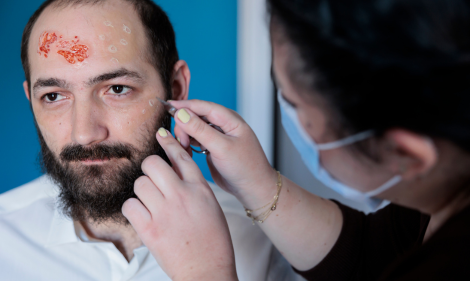
Even injuries that appear minor at first can worsen over time without proper medical care, making early evaluation critical.
Common Types of Facial Injuries in Autos Accidents
Facial injuries after a car accident often include cuts, bruises, fractures, and soft tissue damage. Broken glass and metal debris can cause lacerations, while airbag deployment may result in abrasions or burns.
Some patients also experience facial swelling, jaw pain, or numbness, which may indicate deeper injury requiring professional assessment.
Hidden Risks Associated with Facial Trauma
Facial injuries are not always isolated. Trauma to the face may be accompanied by concussions, neck injuries, or soft tissue injuries that are not immediately visible.
Untreated facial trauma can lead to infection, nerve damage, scarring, and long-term functional issues such as difficulty chewing or speaking.
Why Immediate Medical Attention Is Important
Seeking care immediately after a facial injury helps control bleeding, reduce swelling, and prevent infection. Early treatment also minimizes scarring and supports proper healing of facial structures.
Prompt auto injury treatment ensures that underlying injuries are identified and addressed before complications develop.
Facial Injury Treatment at Specialty Care Clinics
At Specialty Care Clinics, facial injury care begins with a detailed assessment to determine injury severity and affected structures. Treatment plans are personalized to promote healing while preserving facial function and appearance.
Providers also evaluate patients for related injuries such as neck pain and whiplash, which commonly occur during collisions.
Recovery and Long-Term Outcomes
Recovery from facial injuries depends on the type and severity of the trauma. Minor injuries may heal within days or weeks, while more serious injuries may require ongoing care.
Following medical advice and attending follow-up visits play a vital role in preventing complications and achieving optimal recovery.
Conclusion
Facial injuries after a car accident require immediate medical attention to prevent infection, scarring, and long-term complications. Early auto injury treatment supports proper healing and protects facial function. Specialty Care Clinics provide comprehensive care to guide patients through recovery and restore confidence after an accident.
FAQs
1. Are facial injuries after a car accident serious?
Yes. Facial injuries can involve bones, nerves, and soft tissues and may worsen without treatment.
2. Should I seek care for facial bruising after a crash?
Yes. Bruising may indicate underlying tissue or bone injury.
3. Can facial injuries cause long-term problems?
Yes. Untreated facial injuries can lead to scarring, nerve damage, or functional issues.
4. How soon should facial injuries be treated after an accident?
As soon as possible to reduce complications and promote proper healing.
5. How does Specialty Care Clinics treat facial injuries?
Specialty Care Clinics offer thorough evaluations and personalized treatment plans for facial trauma and related injuries.